
Ayurveda addresses the underlying causes of slipped discs by correcting imbalances in the body's doshas, notably Vata, which is important for spine health and nervous system function. By recognizing and treating these imbalances, Ayurveda hopes to not only relieve symptoms but also prevent future slipped discs. Here's how Ayurveda addresses the underlying causes and prevention of slipped discs:
Slip Disc
- Home
- Slip Disc
Ayurveda for Slipped Disc: Treatment & Remedies for Slipped Disc
Ayurveda, the traditional Indian medical system, is gaining global reputation and popularity due to its holistic approach to healing and well-being. In recent years, there has been an increase in the number of documented cases of slipped discs, which occur when a disc in the spine slides out of position, producing pain and discomfort. While contemporary medicine provides numerous therapies for this condition, Ayurveda has been shown to be a successful option due to its natural medicines and therapeutic procedures.
Let’s look at how Ayurvedic remedies can help alleviate symptoms and promote long-term healing. With the growing interest in alternative medicine, it is critical to understand the benefits and limitations of Ayurveda for slipped disc and how it might supplement mainstream treatments for a more thorough approach to rehabilitation. So, let us explore the realm of Ayurveda and uncover its potential for offering treatment to those suffering with slipped discs. Let’s look at the many forms of slipped discs.
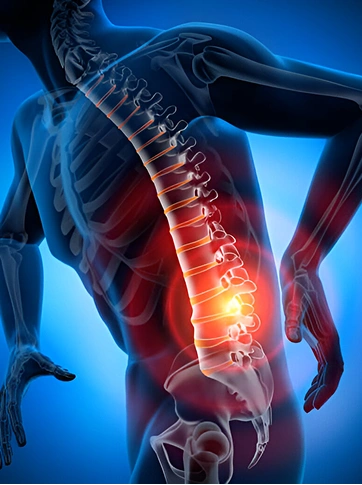
Types of Slipped Disc
- Lumbar Herniated Disc: This form, which happens in the lower back, is one of the most prevalent. It may produce pain, numbness, or weakness in the buttocks, legs, and feet.
- Thoracic Herniated Disc: This form is less prevalent and affects the upper and middle back (thoracic spine). Symptoms may include pain in the ribs and internal organs, but it is less common than lumbar and cervical herniated disc.
- Central Herniated Disc: This form occurs when the interior component of the disc pushes straight back, putting pressure on the spinal cord and generating symptoms like weakness or numbness in both legs or arms.
- Foraminal Herniated Disc: This type develops when herniated disc material compresses a nerve as it departs the spinal column via the foramen (the opening between vertebrae). It can cause pain, numbness, or weakness in a specific location, depending on the nerve affected.
- Cervical Herniated Disc: This form happens in the neck and can result in discomfort, numbness, or paralysis in the shoulders, arms, and hands.
How might Ayurveda help with a slipped disc?
1. How may Ayurveda assist treat slipping discs?
Ayurveda, the ancient Indian medical system, provides holistic treatments for a variety of health issues, including slipped discs (herniated discs). Ayurvedic treatment for slipped discs focuses on rebalancing the body’s doshas, particularly Vata dosha, which is thought to have an important role in spine health and nerve function. Here’s how Ayurveda can help with slipped discs:
- Dosha Balancing: According to Ayurveda, slipped discs are a manifestation of Vata imbalance, as they cause pain, stiffness, and nerve compression. Ayurvedic treatments seek to rebalance the Vata dosha by dietary changes, lifestyle changes, and therapies according to the individual’s constitution (Prakriti).
- Panchakarma Therapy: Panchakarma, an Ayurvedic purification and rejuvenation therapy, is frequently advised to treat slipped discs. Abhyanga (oil massage), Swedana (herbal steam therapy), and Basti (medicated enema) are all therapies that help to eliminate toxins, reduce inflammation, and promote intervertebral disc recovery.
- Herbal Remedies: Ayurvedic herbs with anti-inflammatory, analgesic, and rejuvenating characteristics are frequently used to treat pain and inflammation caused by slipped discs. Herbs like Ashwagandha, Guggulu, Shallaki (Boswellia), and Triphala may be used in a variety of formulations to relieve symptoms and promote spinal health.
- Dietary Changes: Ayurvedic dietary rules stress eating warm, nourishing foods that balance Vata dosha and aid digestion. Avoiding meals that are cold, dry, or difficult to digest will help avoid the symptoms of slipped discs from worsening.
- Yoga and Meditation: Yoga asanas (postures) and pranayama (breathing exercises) that are customized to an individual’s condition can help increase spinal flexibility, strengthen the muscles that support the spine, and promote mental and physical calm. Meditation and mindfulness practices can also assist to relieve stress and symptoms of slipped discs.
- Ayurvedic External Therapies: External applications of herbal oils and poultices (Upanaha) can be used to relieve pain, reduce inflammation, and enhance circulation in the affected area.
What Ayurvedic remedies are indicated for controlling pain and inflammation caused by a slipped disc?
Ayurveda provides many treatments to alleviate pain and inflammation caused by slipped discs, with a focus on balancing the doshas, lowering inflammation, and promoting recovery. Here are some suggested Ayurvedic therapies for controlling pain and inflammation caused by slipped discs.
- Abhyanga (Oil Massage): Abhyanga massages the body with warm herbal oils to alleviate pain, stiffness, and inflammation caused by slipped discs. Massage increases circulation, lubricates joints, and relaxes muscles, facilitating healing and alleviating discomfort.
- Swedana (Herbal Steam Therapy) : is the process of exposing the body to herbal steam in order to stimulate sweating and enhance detoxification. Steam therapy helps to relieve pain, reduce inflammation, and increase mobility in the affected area. Adding specific herbs to the steam, such as eucalyptus or ginger, can boost its medicinal benefits.
- Basti (Medicated Enema): Basti therapy consists of delivering medicated herbal enemas to alleviate pain and inflammation caused by slipped discs. Basti treatments serve to balance the Vata dosha, strengthen the spine, and nourish the tissues, encouraging healing and function.
- Pizhichil (Oil Bath): Pizhichil is an Ayurvedic therapy in which heated herbal oil is poured over the body while massaging it. This treatment relieves pain, inflammation, and stiffness caused by slipped discs while simultaneously promoting relaxation and rejuvenation.
- Kati Basti (Local Oil Pooling): entails forming a dam-like structure around the afflicted part of the spine and filling it with warm herbal oil. The oil is kept for a set period of time to alleviate pain, inflammation, and muscular tension in the lower back, hence relieving symptoms of slipped disc.
- Herbal Poultices (Upanaha): Herbal poultices produced from medicinal herbs and pastes are applied externally to the affected area to relieve the pain and inflammation caused by slipped discs. The herbs' warmth and medicinal powers permeate deeply into the tissues, bringing relief and encouraging recovery.
- Internal Medications: Ayurvedic practitioners may give herbal tablets, powders, or decoctions to alleviate pain and inflammation, strengthen the spine, and promote overall health. Ashwagandha, Guggulu, Shallaki, and Triphala are among the most commonly utilized herbs for treating slipped disc symptoms.
Ayurvedic Perspective on Slip Disc
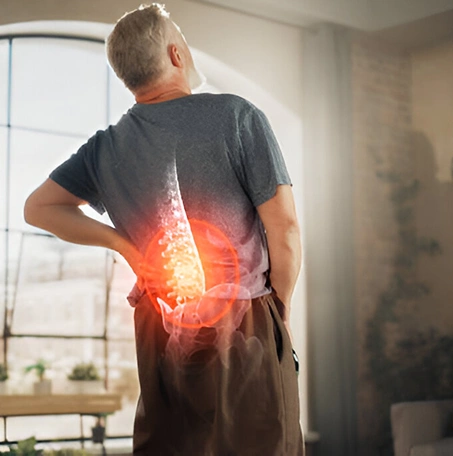
Common Causes of Slip Disc According to Ayurveda
Ayurveda, an ancient Indian system of medicine, attributes slip disc, also known as a herniated disc or intervertebral disc prolapse, to an imbalance of the three doshas: Vata, Pitta, and Kapha.
Vata-Related Slip Disc
- Characteristics: Dry, rough, and cold.
- Symptoms: Sharp, shooting pain, numbness, tingling, and weakness in the affected area.
- Causes: Excessive stress, anxiety, or overwork.
Pitta-Related Slip Disc
- Characteristics: Hot, sharp, and inflammatory.
- Symptoms: Burning sensation, redness, and swelling in the affected area.
- Causes: Excessive heat, spicy foods, or anger.
Kapha-Related Slip Disc
- Characteristics: Heavy, sluggish, and cold.
- Symptoms: Aching, dull pain, stiffness, and heaviness in the affected area.
- Causes: Overindulgence in food, sedentary lifestyle, or emotional stagnation.
Experience Holistic Healing at Parijatak Ayurveda
Parijatak Ayurveda is a well-known Ayurvedic center that provides comprehensive care for a variety of health ailments, including slip disc. Their holistic approach blends traditional Ayurvedic principles with cutting-edge medical understanding to deliver effective and tailored therapy.
If you're thinking about getting Ayurvedic treatment for a slip disc, Parijatak Ayurveda is a reliable option. Their holistic approach and emphasis on patient well-being have established them as a trusted name in the profession.
Thank you
We have your details and will call you shortly.