

Classical formulations
Authentic medicines prepared to classical methods, with written procedures and checks at every batch.
Charaka taught physicians to accept only what has been examined and found beneficial. Our research follows that rule: we start from the classical texts, observe carefully in the clinic, measure, standardise our medicines and procedures, and share what we find, including its limits.
हितमेवानुरुध्यन्ते प्रपरीक्ष्य परीक्षकाः ।
रजोमोहावृतात्मानः प्रियमेव तु लौकिकाः ॥
hitam evānurudhyante praparīkṣya parīkṣakāḥ |
rajomohāvṛtātmānaḥ priyam eva tu laukikāḥ ||
Meaning: Those who examine follow only what has been tested and found beneficial; ordinary people, clouded by passion and confusion, follow what merely pleases.
What it means for you: Research is how a vaidya stays a pariksaka: one who examines, not one who repeats.
— Charaka Samhita, Sutrasthana 28.36
Charaka names three sources of knowledge for every disease. Each one has a clear modern partner, and our research uses both together.
Every study we plan begins with what the texts say, and every result is read back against them.
त्रिविधं खलु रोगविशेषविज्ञानं भवति;
तद्यथा — आप्तोपदेशः, प्रत्यक्षम्, अनुमानं चेति ॥
trividhaṃ khalu rogaviśeṣavijñānaṃ bhavati;
tad yathā — āptopadeśaḥ, pratyakṣam, anumānaṃ ceti ||
Meaning: Disease is known in three ways: from authoritative teaching, from direct observation, and from inference.
What it means for you: Texts, observation and reasoning together: neither tradition alone nor data alone.
— Charaka Samhita, Vimanasthana 4.3
Authentic medicines prepared to classical methods, with written procedures and checks at every batch.
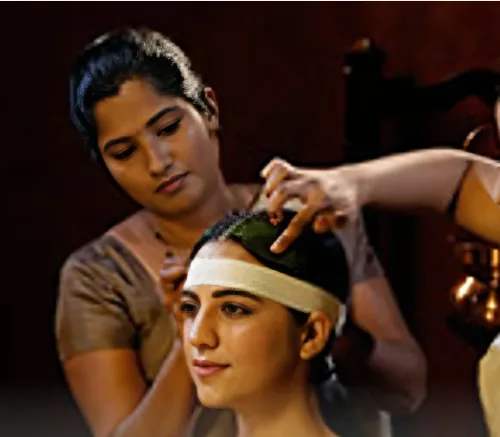
Step-by-step SOPs for every therapy, so each session is done the same careful way, and outcomes can be compared.
Symptom and wellbeing tracking in the Parijatak Care app, so we learn what helps in real practice.
Diet plans built from Charaka's rules of eating, the six tastes and the seasons, written for each Prakriti.
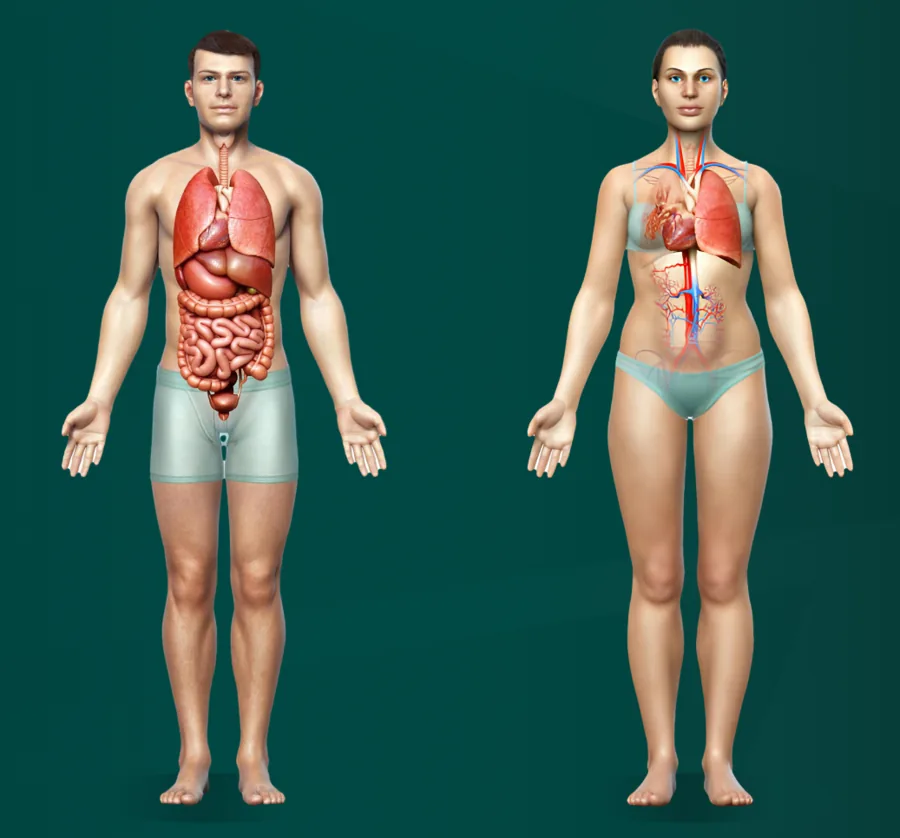
Reading Dosha, Agni and Srotas alongside modern physiology and reports, to explain care in today's language.
Disease knowledge bases with Sanskrit lakshanas and their meanings, and doctor-supervised tools that follow Charaka's reasoning.
Charaka teaches that processing changes a substance's qualities: water, heat, cleaning, churning, time, vessel and repeated soaking (bhavana) all add new properties. The same herbs made differently are, in effect, a different medicine.
करणं पुनः स्वाभाविकानां द्रव्याणामभिसंस्कारः ।
संस्कारो हि गुणान्तराधानमुच्यते ॥
karaṇaṃ punaḥ svābhāvikānāṃ dravyāṇām abhisaṃskāraḥ |
saṃskāro hi guṇāntarādhānam ucyate ||
Meaning: Processing (karana) is the preparation of natural substances; processing means bringing new qualities into them.
What it means for you: This is why we make our own medicines, and why the method is part of our research.
— Charaka Samhita, Vimanasthana 1.22
We share our clinical observations as they mature, starting with case reports and moving to case series and structured studies.
A classical polyherbal formulation was given alongside Panchakarma to one patient with heartburn, sour belching, bloating and indigestion, over seven days, and the change in symptoms was recorded.
Next: case series in acidity and spine care using consented outcome records, so results come from many patients, not one.
We welcome collaboration with Ayurveda colleges, PG scholars (MD / MS Ayurveda), researchers and practising doctors.
Book a consultation
Researchers, PG scholars, colleges and doctors: tell us your interest in the message box. Patients: book a consultation as usual. We reply within working days.
We have your details and will call you shortly.
Every finding goes back into how our vaidyas examine, prescribe and follow up, so patients benefit first.
Tell us your area of interest, or ask about a study.
We agree a protocol, consent and the classical basis.
Findings are reported honestly and used to improve care.
We currently share case reports and are building case series from consented outcome records. Larger structured studies are planned with research partners.
Yes, subject to their college's approval and our review. Write to us with your topic.
Only with written consent, and with identities removed before any analysis or publication.
Many classical formulations come from Parijatak's own manufacturing unit, prepared to written procedures.
This page is general information and not a substitute for a consultation. Treatment is decided by the doctor after examining you, and Ayurvedic care is given alongside — not instead of — the care of your regular doctor.