
Yavani
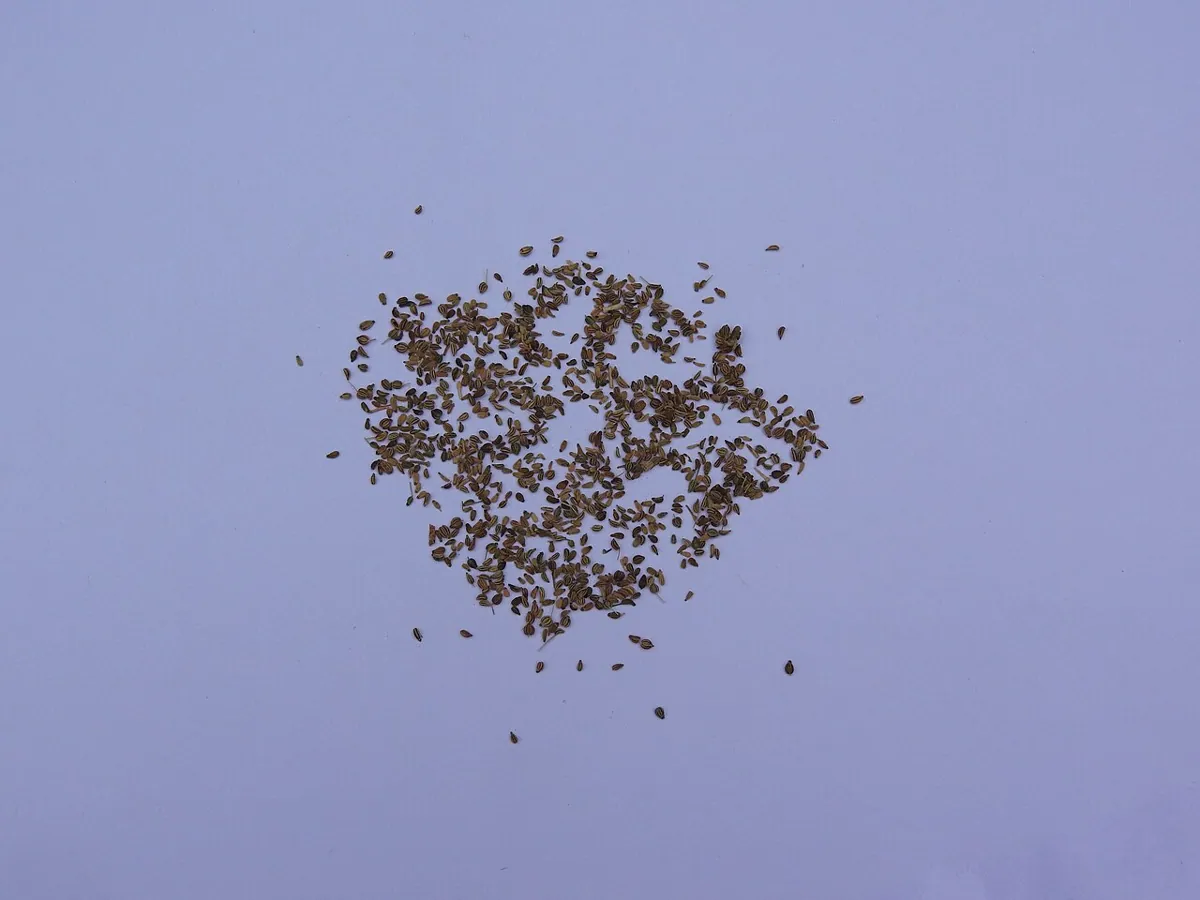
Yavani (ajwain) is a hot, sharp digestive seed used in Ayurveda for gas, colic, indigestion, cold and worms.
About Yavani
Ajwain is the small striped seed of an annual herb grown in Rajasthan, Gujarat and Madhya Pradesh. Its sharp thyme-like taste comes from thymol. It is one of the most common home remedies for stomach ache.
Shloka from Bhavaprakasha Nighantu
यवानी पाचनी रुच्या तीक्ष्णोष्णा कटुका लघुः। दीपनी च तथा तिक्ता पित्तला शुक्रशूलहृत्॥
yavānī pācanī rucyā tīkṣṇoṣṇā kaṭukā laghuḥ| dīpanī ca tathā tiktā pittalā śukraśūlahṛt||
वातश्लेष्मोदरानाहगुल्मप्लीहकृमिप्रणुत्॥
vātaśleṣmodarānāhagulmaplīhakṛmipraṇut||
Meaning: Yavani digests, improves taste, is sharp, hot, pungent and light. It kindles digestion, is bitter, increases Pitta and relieves pain of shukra. It removes Vata, Kapha, abdominal disease, bloating, gulma, spleen disorders and worms.
Bhavaprakasha Nighantu, Haritakyadi varga
In the classical texts
- Bhavaprakasha Nighantu (Haritakyadi varga)Described with the shloka above.
- Classical formulasYavanikhandava and Yavani-containing churnas are used for loss of appetite and colic.
Synonyms (paryaya)
यवानी,अजमोदिका,दीप्यका,अजवायन
yavānī,ajamodikā,dīpyakā,ajavāyana
Classical indications
दीपन, पाचन, रुच्य, पित्तकर, शुक्रशूलहर, वातकफ़-उदर-आनाह-गुल्म-प्लीहा-कृमिहर
dīpana, pācana, rucya, pittakara, śukraśūlahara, vātakafa-udara-ānāha-gulma-plīhā-kṛmihara
Effect on the three doshas
How vaidyas use it in practice
- Ajwain with rock salt and warm water for colic and gas.
- Ajwain steam for blocked nose.
- Ajwain arka (distilled water) for indigestion.
- In formulas for worms with Vidanga.
Simple home uses
- Half a teaspoon of ajwain chewed with a pinch of salt, then warm water, for gas pain.
- A warm cloth pouch of roasted ajwain on the chest for cold and on the belly for colic.
- Ajwain water for indigestion after heavy meals.
For minor complaints only. If a problem lasts more than a few days or is severe, see a doctor.
Well-known formulations
यवानिकाचूर्ण, यवानीषाडव, यवान्यार्क
yavānikācūrṇa, yavānīṣāḍava, yavānyārka
What science says
Ajwain contains 2–5% essential oil, about half of which is thymol, a strong antiseptic. Laboratory studies show antispasmodic, antimicrobial and anti-gas effects.
Safety and cautions
Hot and sharp; large amounts can cause acidity and mouth ulcers. Use small amounts in Pitta conditions.
Who should not take it
- Pregnancy (medicinal amounts)
- Acidity, ulcers
- Bleeding disorders
How to identify it, and common adulterants
Good ajwain seeds are small, grey-brown, ridged and strongly aromatic. Dull, dusty seeds with little smell are old or exhausted.
Growing it at home
A winter crop; it grows well in pots in Vidarbha sown in October–November.
Questions people ask
Is ajwain good for babies' colic?
A warm pouch of roasted ajwain on the belly is traditional; do not give seeds or oil by mouth to infants without advice.
Is ajwain the same as Ajamoda?
No. Ajamoda is a different seed (Trachyspermum roxburghianum), milder and used for Vata disorders.
This page is general information from classical Ayurvedic texts and published research. It is not a prescription. Herbs act differently in different people; take any herb only after a qualified vaidya examines you, and do not stop prescribed medicines.