
Yashtimadhu
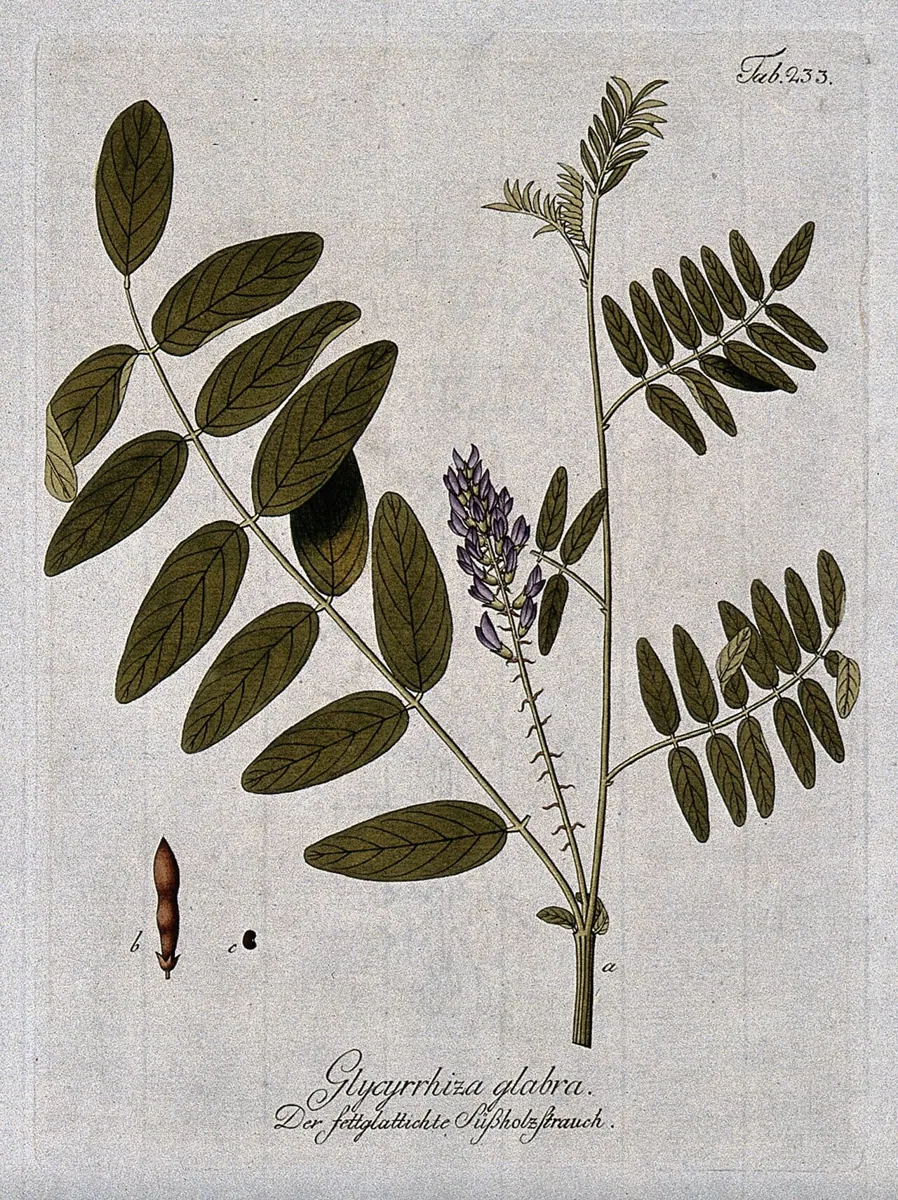
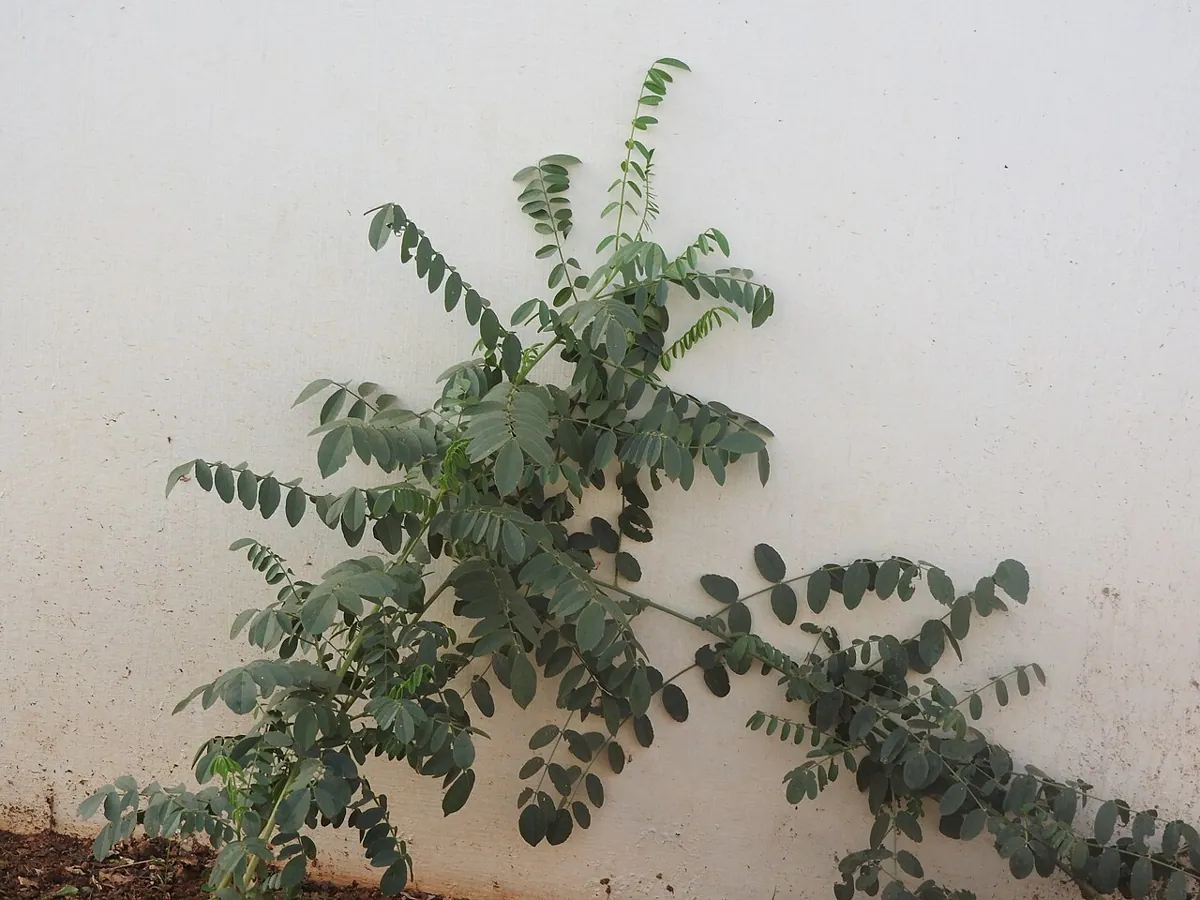
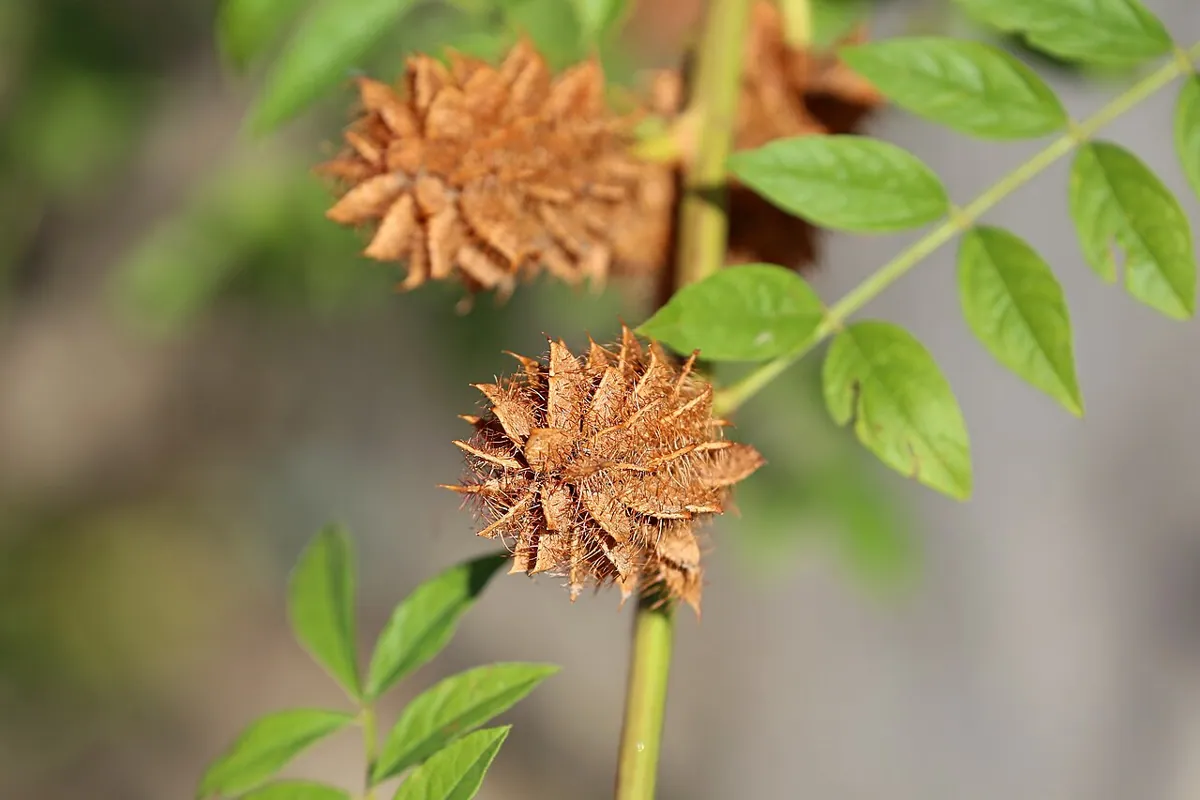
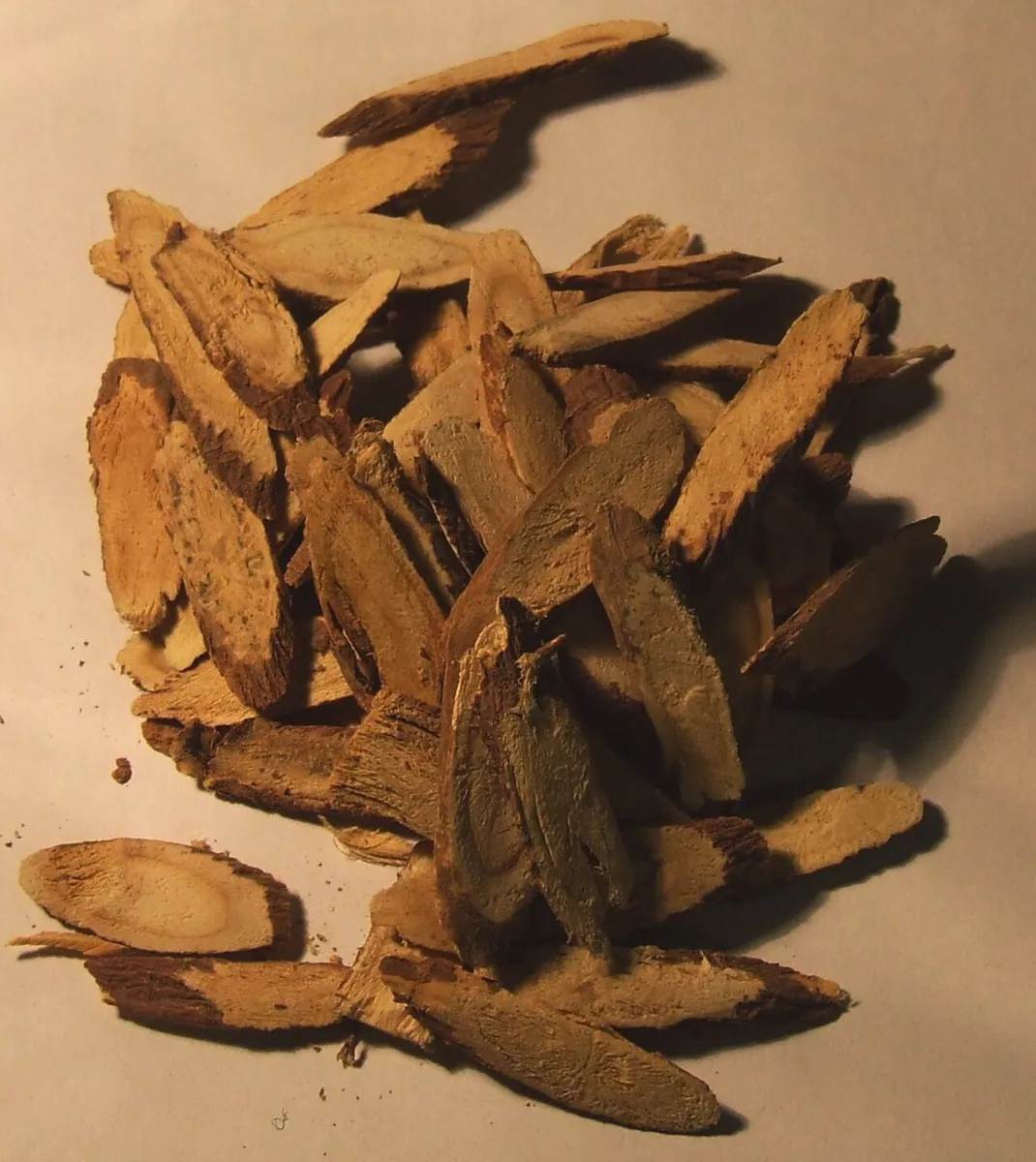
Yashtimadhu (liquorice root) is a sweet, cooling, soothing herb used in Ayurveda for the voice, cough, acidity, ulcers, skin and as a medhya rasayana.
About Yashtimadhu
Yashtimadhu is the dried root and stolon of liquorice, a perennial legume native to West Asia and the Mediterranean and grown in parts of north India. The name means 'sweet stick'. It is among the most widely used herbs in Ayurvedic formulas.
Shloka from Bhavaprakasha Nighantu
यष्टी हिमा गुरुः स्वाद्वी चक्षुष्या बलवर्णकृत्। सुस्निग्धा शुक्रला केश्या स्वर्या पित्तानिलास्रजित्॥
yaṣṭī himā guruḥ svādvī cakṣuṣyā balavarṇakṛt| susnigdhā śukralā keśyā svaryā pittānilāsrajit||
व्रणशोथविषच्छर्दितृष्णाग्लानिक्षयापहा॥
vraṇaśothaviṣaccharditṛṣṇāglānikṣayāpahā||
Meaning: Yashti (liquorice) is cold, heavy and sweet, good for the eyes, gives strength and complexion; it is unctuous, increases shukra, is good for hair and voice, and overcomes Pitta, Vata and blood disorders. It removes wounds, swelling, poison, vomiting, thirst, exhaustion and wasting.
Bhavaprakasha Nighantu, Haritakyadi varga
In the classical texts
- Charaka Samhita (Sutrasthana 4)Found in the Jivaniya, Sandhaniya, Varnya, Kanthya, Snehopaga and Vamanopaga mahakashayas, among others.
- Charaka Samhita (Chikitsasthana 1)Yashtimadhu powder with milk is one of the four Medhya rasayanas.
- Sushruta SamhitaUsed widely in wound oils and ghee, such as Jatyadi preparations.
- Bhavaprakasha Nighantu (Haritakyadi varga)Described as madhura, shita, guru, chakshushya, balya, varnya, keshya, svarya, shukrala; useful in pitta, vata, rakta, vrana, shotha, visha, vamana and trishna.
Synonyms (paryaya)
मधुक,क्लीतक,मधुयष्ठी
madhuka,klītaka,madhuyaṣṭhī
Classical indications
चक्षुष्य, बलवर्णकर, शुक्रल, केश्य, स्वर्या, पित्तवातरक्तजित, व्रण, शोथ, विष, छर्दि, अम्लक्षयहर
cakṣuṣya, balavarṇakara, śukrala, keśya, svaryā, pittavātaraktajita, vraṇa, śotha, viṣa, chardi, amlakṣayahara
Effect on the three doshas
How vaidyas use it in practice
- A small piece chewed, or powder with honey, for hoarse voice and dry cough.
- Powder with milk for acidity, burning in the stomach and as a medhya rasayana, for a limited period.
- Yashtimadhu ghrita or oil applied to mouth ulcers, burns and wounds.
- Gargles with Yashtimadhu decoction for sore throat.
- In eye care, as part of the vaidya's eye preparations (never self-prepared).
Simple home uses
- Chew a small piece of mulethi for a dry throat or hoarse voice.
- Mulethi decoction as a gargle for sore throat.
For minor complaints only. If a problem lasts more than a few days or is severe, see a doctor.
Well-known formulations
यष्ट्यादि-चूर्ण-क्वाथ
yaṣṭyādi-cūrṇa-kvātha
What science says
The root contains glycyrrhizin (glycyrrhizic acid), which gives the sweetness, along with flavonoids such as liquiritin and glabridin. Research supports its soothing effect on the stomach lining and throat. Deglycyrrhizinated liquorice (DGL) is used in some countries for ulcers. Glycyrrhizin in larger amounts holds salt and water in the body.
Safety and cautions
Regular or large doses can raise blood pressure, lower potassium and cause swelling. Avoid regular use in high blood pressure, heart or kidney disease, low potassium, pregnancy, and with diuretics or steroids. Short courses under guidance are the norm.
Who should not take it
- High blood pressure
- Heart or kidney disease, low potassium
- Pregnancy
- With diuretics or steroid medicines
How to identify it, and common adulterants
Good mulethi sticks are yellow inside, fibrous, and distinctly sweet. Woody, tasteless sticks are old or a different plant (Abrus root is sometimes sold as 'Indian liquorice' and is not the same).
Growing it at home
Needs a cooler, drier climate; it does not grow well in Vidarbha's heat. Buy dried roots.
Questions people ask
Is mulethi safe for daily use?
Small amounts for a short time are safe for most people. Long daily use can raise blood pressure, so take it only as advised.
Why do singers use Yashtimadhu?
It is kanthya and svarya in the texts, meaning good for the throat and voice, and it soothes a dry, strained throat.
This page is general information from classical Ayurvedic texts and published research. It is not a prescription. Herbs act differently in different people; take any herb only after a qualified vaidya examines you, and do not stop prescribed medicines.