
Vatsanabha
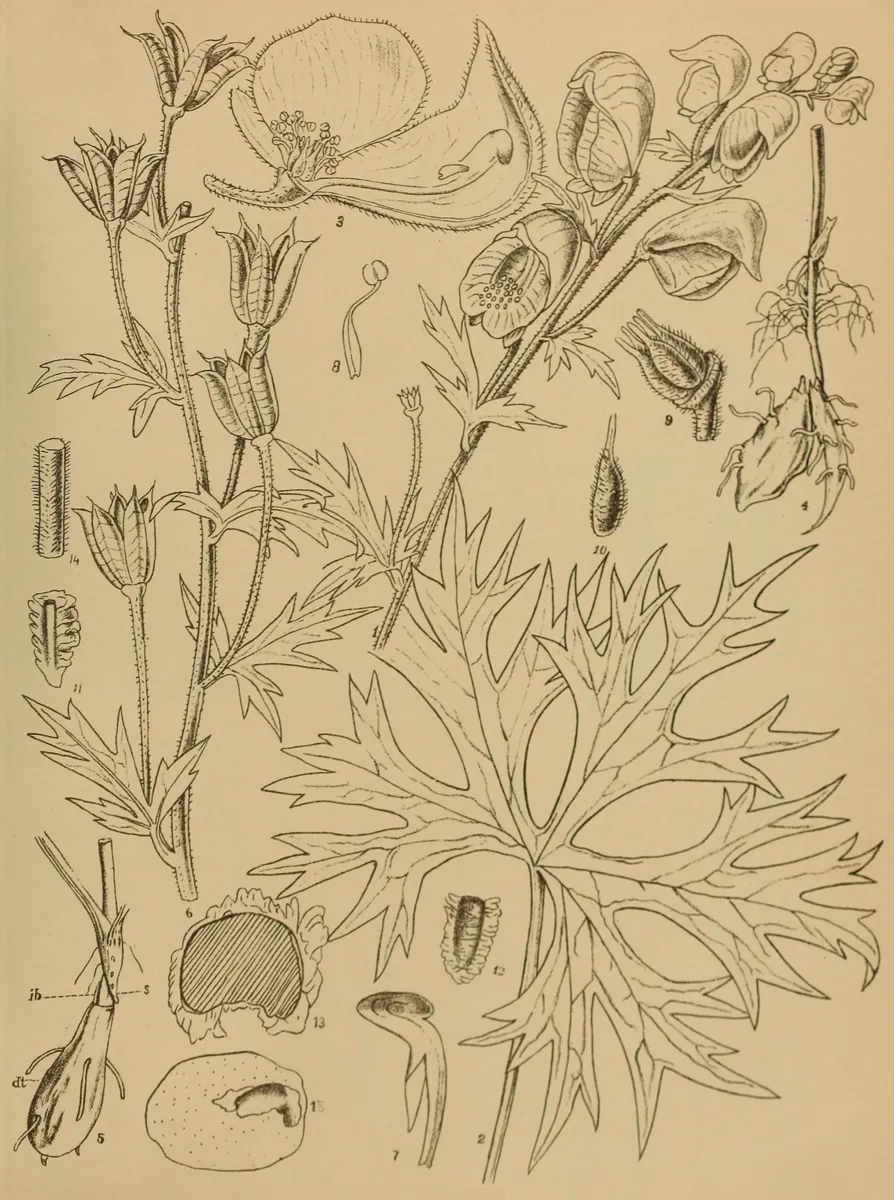
Vatsanabha (Indian aconite) is one of the most poisonous plants, used in Ayurveda only after strict purification in tiny doses by experts.
About Vatsanabha
Vatsanabha is a Himalayan aconite whose root is deadly poisonous. Purified (shodhita) Vatsanabha is used in fever and pain formulas such as Mahasudarshana-type and Tribhuvanakirti rasa.
In the classical texts
- Bhavaprakasha NighantuListed among the main Visha (poisons); used only after Shodhana in cow's urine or milk.
- Rasashastra textsTribhuvanakirti rasa, Mritunjaya rasa contain purified Vatsanabha.
Synonyms (paryaya)
अमृत,विष,मीठाविष
amṛta,viṣa,mīṭhāviṣa
Classical indications
ज्वरघ्न, स्वेदजनन, हृदयोत्तेजक, पीङाशामक, शोथहर, कफवातहर, बल्य, अग्निमांद्य, ग्रहणी, अतिसारहर
jvaraghna, svedajanana, hṛdayottejaka, pīṅāśāmaka, śothahara, kaphavātahara, balya, agnimāṃdya, grahaṇī, atisārahara
How vaidyas use it in practice
- Only purified Vatsanabha in licensed formulas, prescribed by experienced physicians.
Simple home uses
- Never touch or use the raw root.
For minor complaints only. If a problem lasts more than a few days or is severe, see a doctor.
Well-known formulations
आनन्दभैरव रस, रामबाण, कफकेतु
ānandabhairava rasa, rāmabāṇa, kaphaketu
What science says
Contains aconitine, which affects heart rhythm and nerves; small amounts can be fatal.
Safety and cautions
Deadly poisonous.
Who should not take it
- Any self-use
- Heart disease
- Pregnancy
- Children
How to identify it, and common adulterants
Dark brown tapering roots; only pharmacies with proper testing should handle it.
Growing it at home
Do not grow.
Questions people ask
Why is a poison used in Ayurveda?
After purification, in micro-doses, by trained physicians only.
This page is general information from classical Ayurvedic texts and published research. It is not a prescription. Herbs act differently in different people; take any herb only after a qualified vaidya examines you, and do not stop prescribed medicines.