
Vasa (Vasaka)
Vasa (adusa, Malabar nut) is the leading Ayurvedic herb for cough, bronchitis, breathlessness and bleeding disorders such as nosebleeds.
About Vasa (Vasaka)
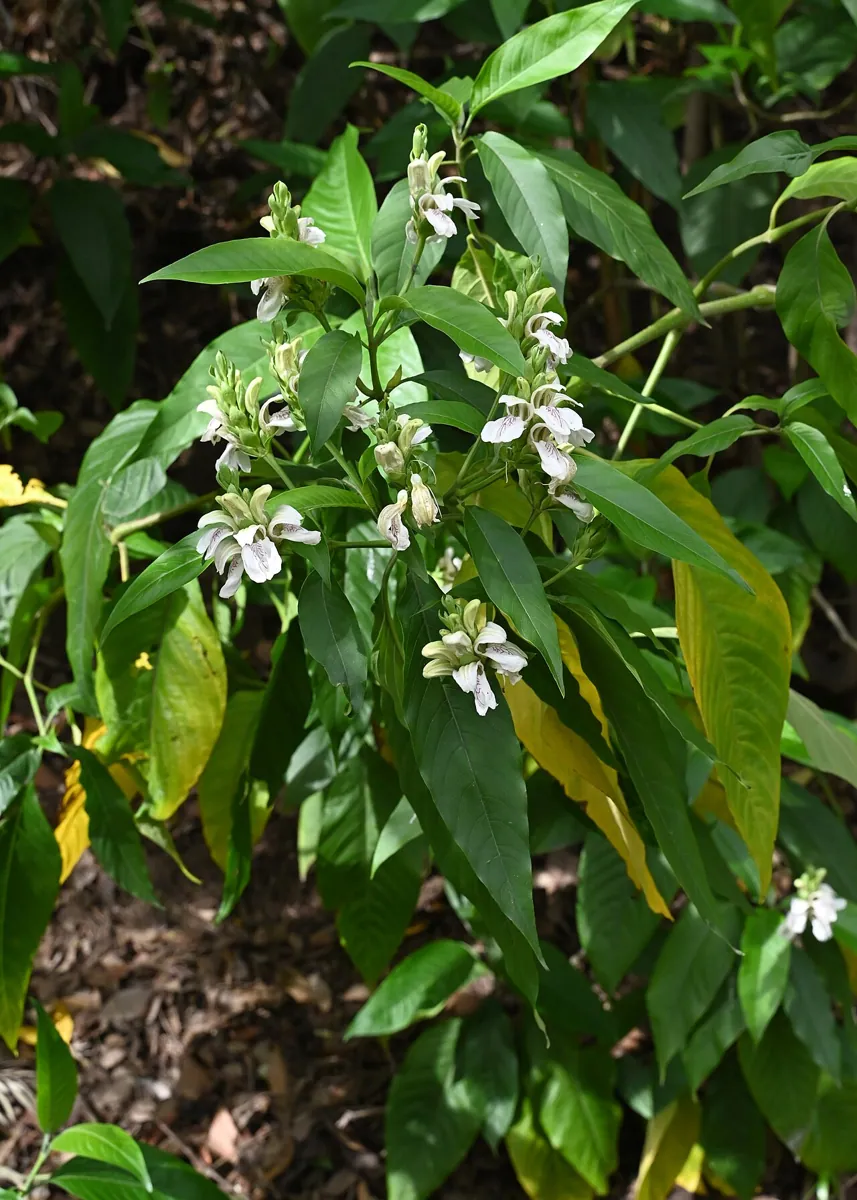
Vasa is a dense evergreen shrub with large lance-shaped leaves, common in hedges across India. The leaves are the main part used, along with the root and flowers. Its bitter, astringent taste makes it a classic herb for Kapha and Pitta conditions of the chest and blood.
Shloka from Bhavaprakasha Nighantu
वासको वातकृत् स्वर्यः कफपित्तास्रनाशनः। तिक्तस्तुवरको हृद्यो लघुः शीतस्तृडर्तिहृत्॥
vāsako vātakṛt svaryaḥ kaphapittāsranāśanaḥ| tiktastuvarako hṛdyo laghuḥ śītastṛḍartihṛt||
श्वासकासज्वरच्छर्दिमेहकुष्ठक्षयापहः॥
śvāsakāsajvaracchardimehakuṣṭhakṣayāpahaḥ||
Meaning: Vasaka can increase Vata, is good for the voice, and destroys Kapha, Pitta and blood disorders. It is bitter and astringent, pleasant to the heart, light and cold, and relieves thirst. It removes breathlessness, cough, fever, vomiting, prameha, skin disease and wasting.
Bhavaprakasha Nighantu, Guduchyadi varga
In the classical texts
- Charaka Samhita (Chikitsasthana 4)Vasa is one of the main herbs in the treatment of Raktapitta (bleeding disorders).
- Chakradatta and BhavaprakashaQuote the well-known verse that a person with raktapitta, wasting or cough need not despair while Vasa is available.
- Bhavaprakasha Nighantu (Guduchyadi varga)Described as svarya, hridya, kapha-pitta-asra-nashana, with the shloka above.
Synonyms (paryaya)
सिंहास्य,वाजिदन्त,आटरुषक
siṃhāsya,vājidanta,āṭaruṣaka
Classical indications
हृद्य, कास, श्वास, रक्तपित्त, ज्वर, प्रमेह, कुष्ठ, क्षयहर, कृमिघ्न
hṛdya, kāsa, śvāsa, raktapitta, jvara, prameha, kuṣṭha, kṣayahara, kṛmighna
Effect on the three doshas
How vaidyas use it in practice
- Fresh leaf juice with honey for productive cough and bronchitis.
- Vasa avaleha and Vasarishta for chronic cough and breathlessness.
- In nosebleeds and bleeding gums of a Pitta type, leaf juice or decoction as advised.
- Steam of Vasa leaves for a blocked chest, as a home measure.
- Combined with Kantakari, Yashtimadhu and Pippali in many cough formulas.
Simple home uses
- Two teaspoons of fresh leaf juice with honey for productive cough, for a few days.
- Steam of boiled Vasa leaves for a blocked chest.
For minor complaints only. If a problem lasts more than a few days or is severe, see a doctor.
Well-known formulations
वासारिष्ट
vāsāriṣṭa
What science says
The leaves contain quinazoline alkaloids, mainly vasicine and vasicinone. Vasicine was the starting point for the modern mucolytic drugs bromhexine and ambroxol. Laboratory work shows bronchodilator and expectorant effects.
Safety and cautions
Avoid in pregnancy: vasicine can stimulate the uterus. In a dry Vata-type cough it is usually combined with soothing herbs. Children should take it only in doses the vaidya gives.
Who should not take it
- Pregnancy
- Dry Vata cough without soothing herbs
- Infants without the vaidya's dose
How to identify it, and common adulterants
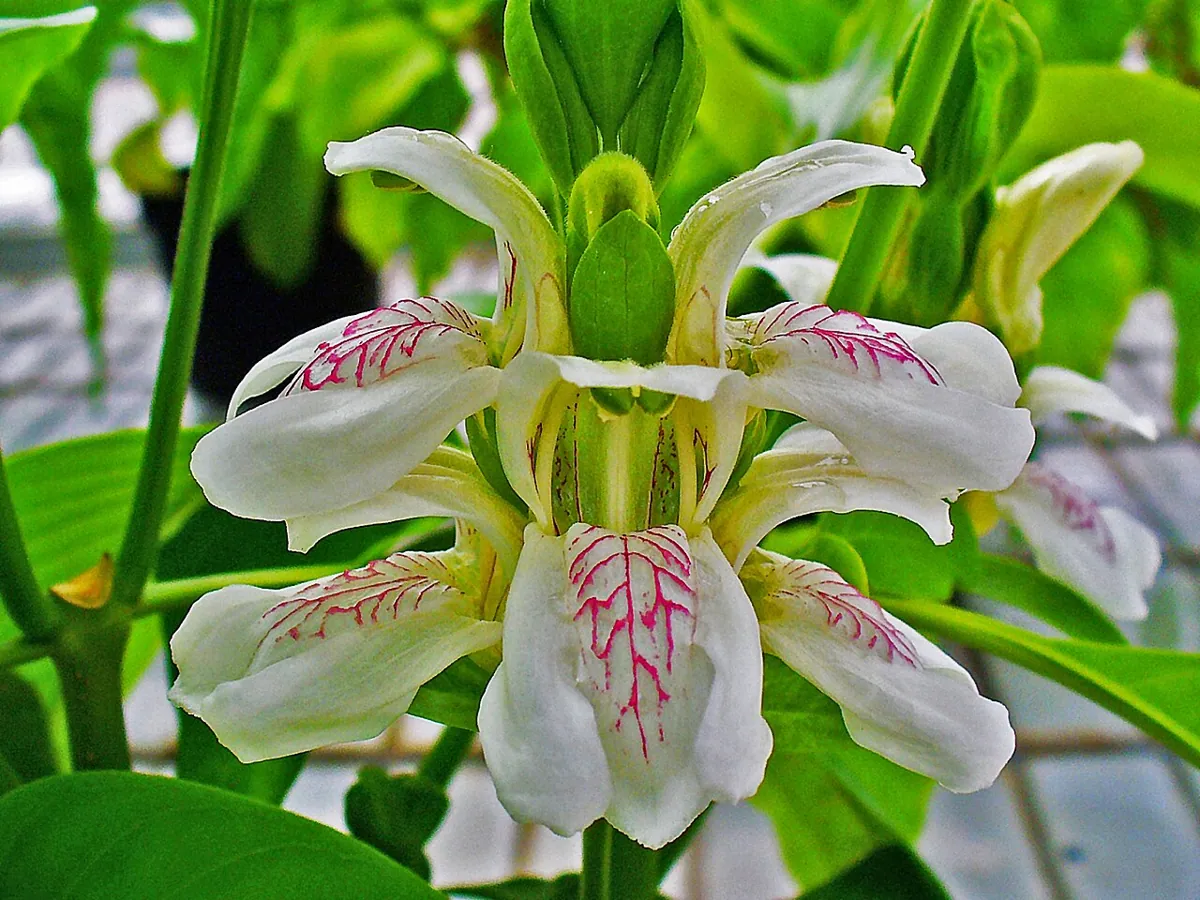
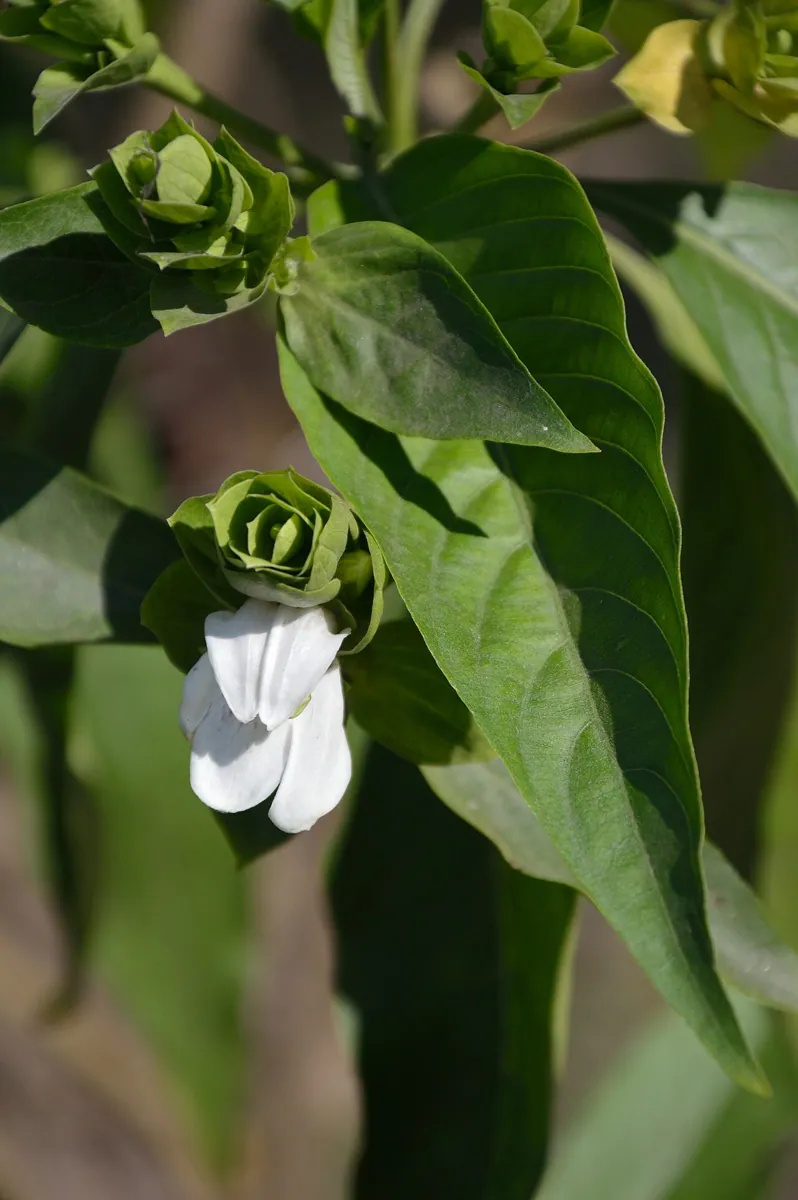
Vasa leaves are large, lance-shaped, with a strong unpleasant smell when crushed and a bitter taste. The flowers are white with purple lines.
Growing it at home
A hardy hedge shrub; grows easily from cuttings in the monsoon in any soil.
Questions people ask
Is Vasa related to modern cough medicines?
Yes. Bromhexine and ambroxol were developed from vasicine, an alkaloid of Vasa leaves.
Can Vasa be taken in pregnancy?
No, avoid it unless a doctor specifically prescribes it.
This page is general information from classical Ayurvedic texts and published research. It is not a prescription. Herbs act differently in different people; take any herb only after a qualified vaidya examines you, and do not stop prescribed medicines.