
Varahi
वाराही
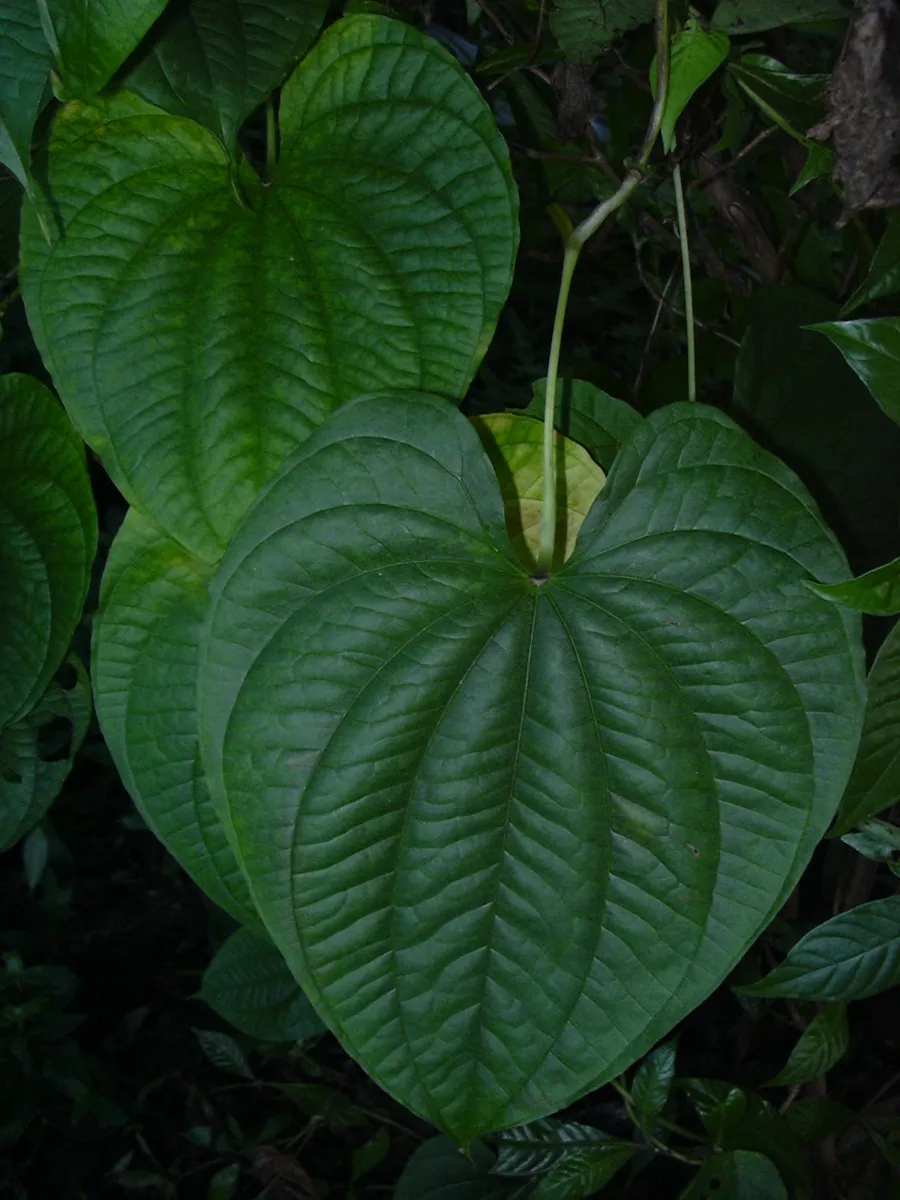
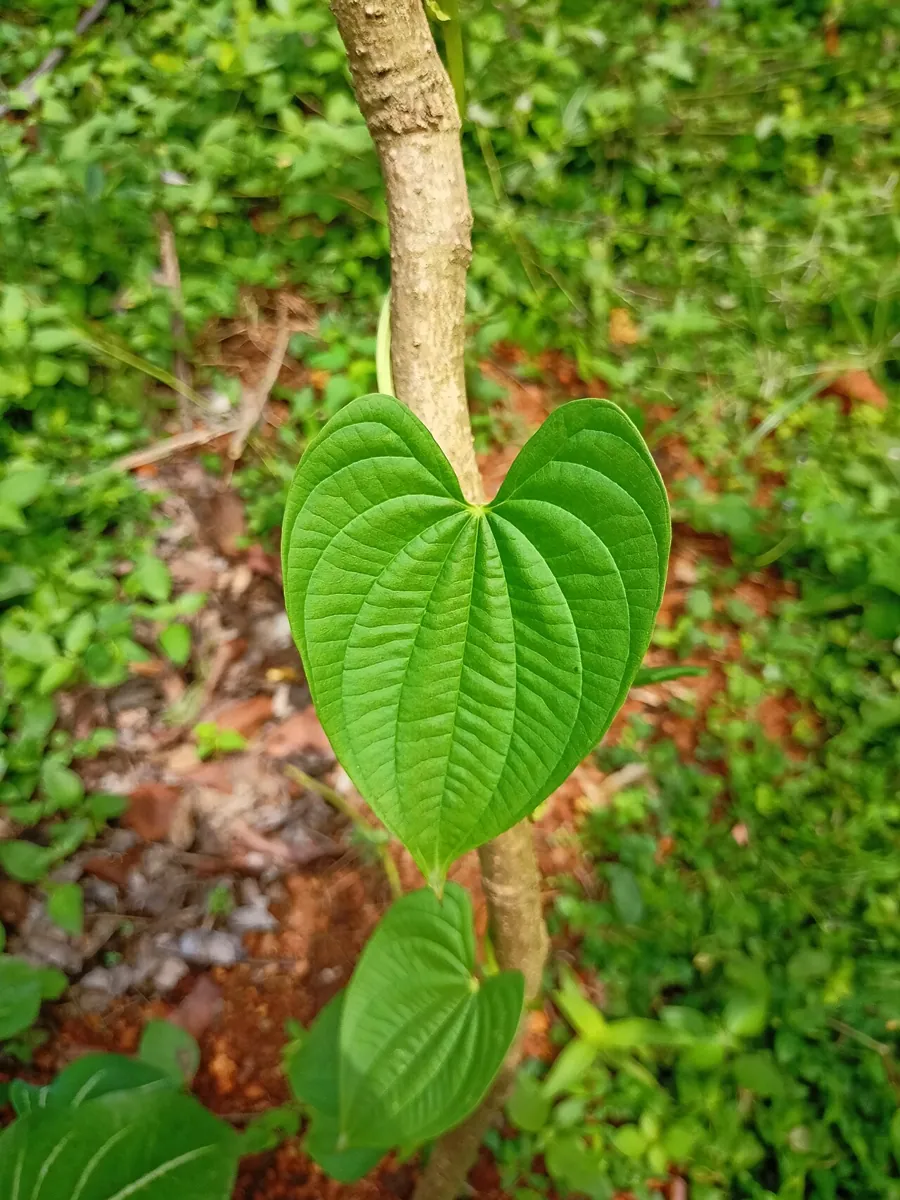
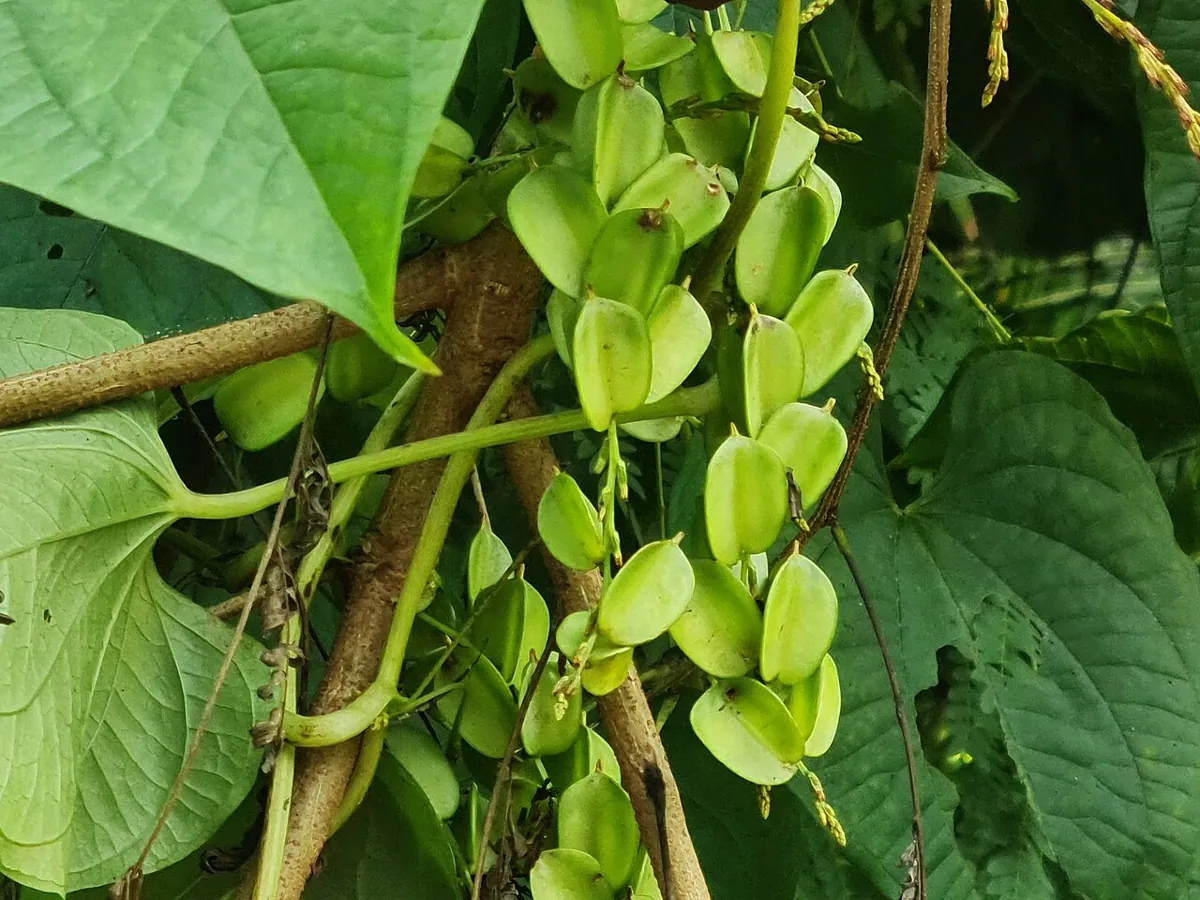
Varahi (air potato) is a nourishing tuber used in Ayurveda as a rasayana, but some types are toxic and must be processed.
Rasa (taste)कटु,तिक्त,मधुर (pungent, bitter, sweet)
Guna (qualities)लघु,स्निग्ध (light, unctuous)
Virya (potency)उष्ण (hot)
Vipaka (post-digestive effect)कटु (pungent)
Main action (karma)बल्य (strength-giving)
Part usedकन्द (tuber / rhizome)
Classical dose (adult)3-6 Gm — only as your vaidya prescribes
About Varahi
A climbing yam with aerial bulbils.
In the classical texts
- Bhavaprakasha NighantuVarahikanda described as rasayana and aphrodisiac.
Synonyms (paryaya)
गेंठी,कुकरकन्द,वराहीकन्द,
geṃṭhī,kukarakanda,varāhīkanda,
Effect on the three doshas
VataCalms
PittaNeutral
KaphaIncreases
How vaidyas use it in practice
- In rasayana formulas.
Simple home uses
- Not for home use (wild types are toxic).
For minor complaints only. If a problem lasts more than a few days or is severe, see a doctor.
What science says
Contains diosgenin; wild bulbils contain toxic diosbulbin.
Safety and cautions
Liver toxicity reported.
Who should not take it
- Self-use
- Liver disease
How to identify it, and common adulterants
Climber with bulbils.
Questions people ask
Is it edible?
Only certain processed types.
Want to know whether this herb suits your body type? Speak to a Parijatak vaidya.Book a consultation
This page is general information from classical Ayurvedic texts and published research. It is not a prescription. Herbs act differently in different people; take any herb only after a qualified vaidya examines you, and do not stop prescribed medicines.