
Vacha
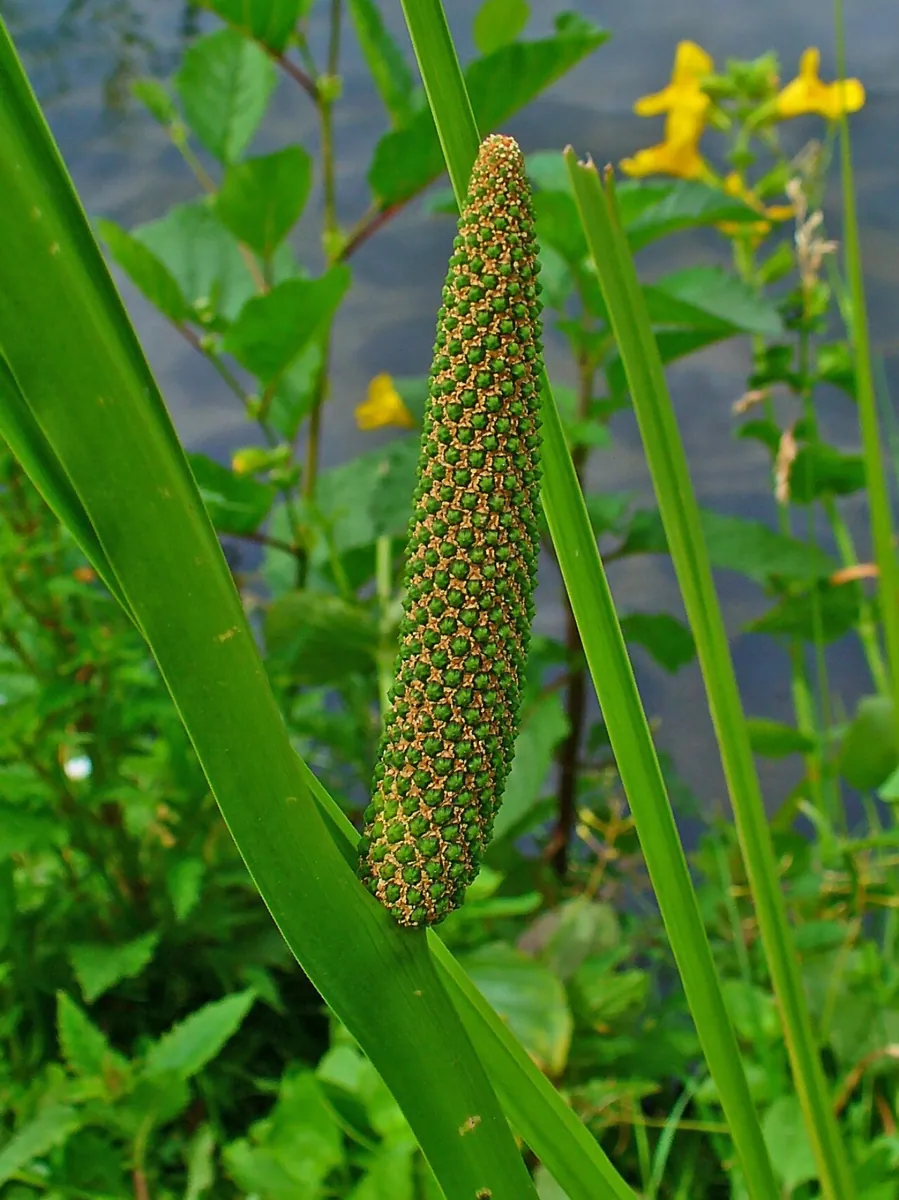
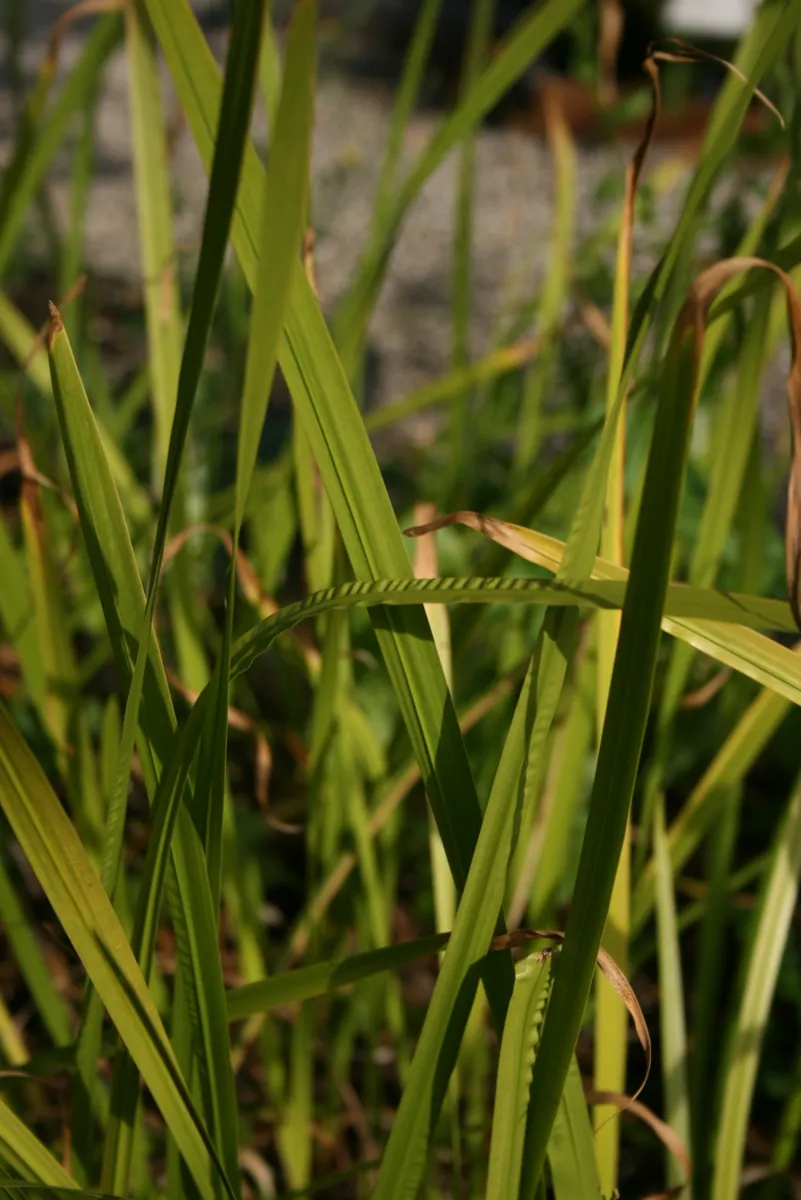
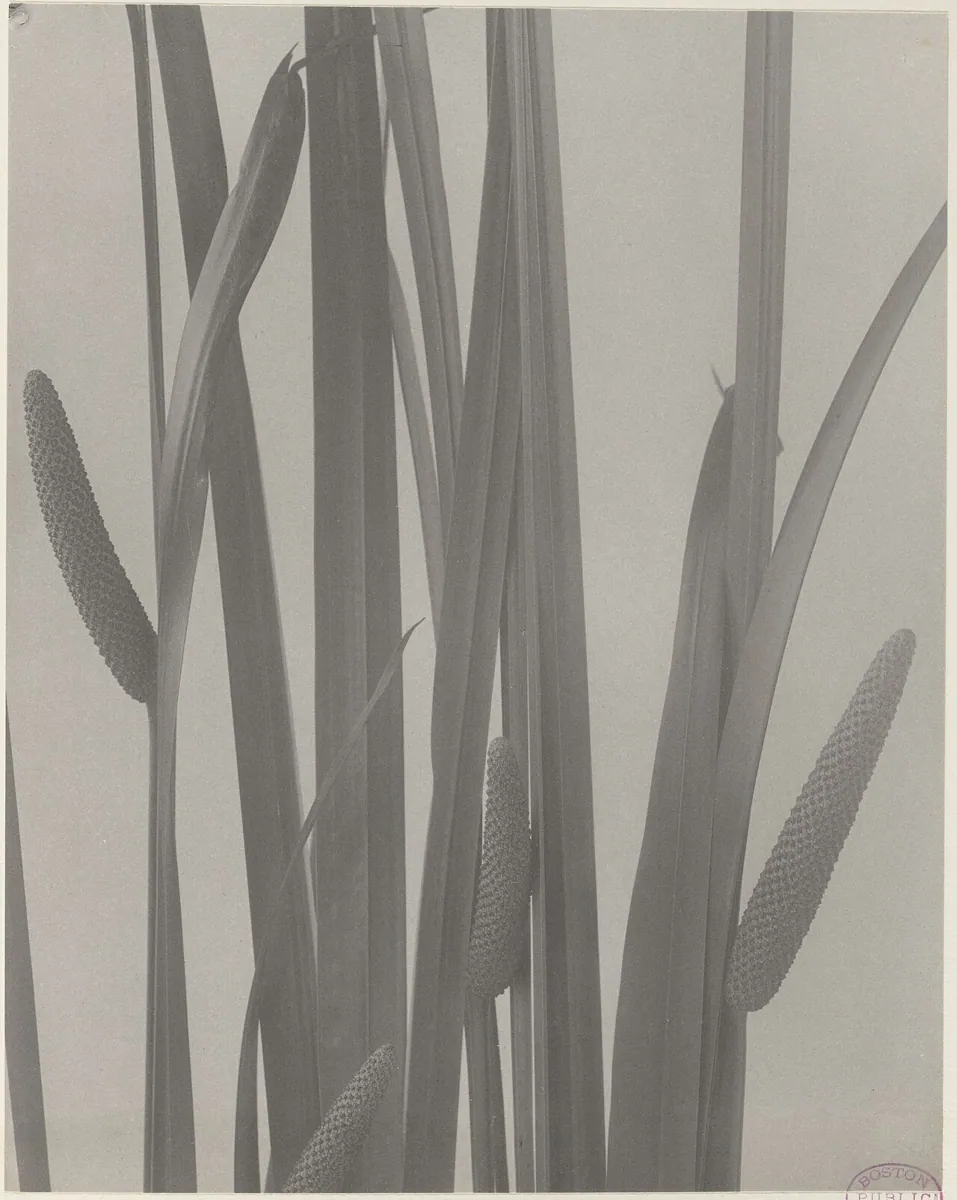
Vacha (sweet flag) is a sharp, aromatic rhizome used in Ayurveda for speech, memory, epilepsy-type disorders, digestion and as a nasal medicine.
About Vacha
Vacha is a marsh plant with sword-shaped leaves and a fragrant rhizome, found in wet places across India. The name refers to speech (vak): it has long been used to help children speak and to sharpen the intellect, always in small doses.
Shloka from Bhavaprakasha Nighantu
वचोग्रगन्धा कटुका तिक्तोष्णा वान्तिवह्निकृत्। विबन्धाध्मानशूलघ्नी शकृन्मूत्रविशोधिनी॥
vacogragandhā kaṭukā tiktoṣṇā vāntivahnikṛt| vibandhādhmānaśūlaghnī śakṛnmūtraviśodhinī||
अपस्मारकफोन्मादभूतजन्त्वनिलान् हरेत्॥
apasmārakaphonmādabhūtajantvanilān haret||
Meaning: Vacha has a strong smell, is pungent and bitter, hot, causes vomiting and kindles digestion. It removes constipation, bloating and colic, cleanses the stool and urine, and removes epilepsy, Kapha, insanity, unseen afflictions (bhuta), worms and Vata.
Bhavaprakasha Nighantu, Haritakyadi varga
In the classical texts
- Charaka Samhita (Sutrasthana 4)Included in the Lekhaniya, Triptighna, Arshoghna, Sanjnasthapana, Asthapanopaga and Shirovirechanopaga groups.
- Charaka Samhita (Chikitsasthana 1)Used in Medhya rasayana formulas for the intellect.
- Kashyapa SamhitaVacha is part of Suvarnaprashana-type preparations for children's intellect and immunity.
- Bhavaprakasha Nighantu (Haritakyadi varga)Described with the shloka above.
Synonyms (paryaya)
षडग्रन्था,गोलोमी,उग्रगन्धा
ṣaḍagranthā,golomī,ugragandhā
Classical indications
वामक, अग्निवर्धक, विबन्धहर, आध्मान, शूल, उन्माद, कृमिहर, वचनशक्तिवर्धक,
vāmaka, agnivardhaka, vibandhahara, ādhmāna, śūla, unmāda, kṛmihara, vacanaśaktivardhaka,
Effect on the three doshas
How vaidyas use it in practice
- A tiny amount with honey in children with delayed speech, only as the paediatric vaidya decides.
- Vacha powder as nasya (snuff) or in Nasya oils for heaviness of the head and sinusitis.
- Sarasvata churna and Brahmi-Vacha combinations for memory and epilepsy as add-on treatment.
- Vacha in water for bloating and colic.
- Paste on swollen joints in Kapha-type pain.
Simple home uses
- Not for routine home use. A tiny pinch for children is given only on the vaidya's advice.
For minor complaints only. If a problem lasts more than a few days or is severe, see a doctor.
Well-known formulations
सारस्वत चूर्ण
sārasvata cūrṇa
What science says
The rhizome oil contains beta-asarone and alpha-asarone, along with other phenylpropanoids. Asarones show sedative and anticonvulsant effects in animals, but beta-asarone has shown toxic and cancer-causing effects in animal studies, so its content and dose matter.
Safety and cautions
Use only in small classical doses and for short periods under a vaidya. Prefer Indian diploid types low in beta-asarone where possible. Large doses cause vomiting. Avoid in pregnancy and in Pitta-type bleeding disorders.
Who should not take it
- Pregnancy
- Bleeding disorders, high Pitta
- Large doses (cause vomiting)
- Long-term use
How to identify it, and common adulterants
The rhizome is light brown, spongy, with ring-like leaf scars and a strong, pleasant aromatic smell. Rhizomes of other Acorus types differ in beta-asarone content; buy from a licensed pharmacy.
Growing it at home
A marsh plant that grows in a pot kept standing in water, in partial sun.
Questions people ask
Is Vacha safe for children?
Small classical doses are used for children by experienced vaidyas. Never give it at home without advice.
Why does Vacha cause vomiting?
In larger doses it acts as an emetic, which the texts also mention. That is why the dose is kept very small.
This page is general information from classical Ayurvedic texts and published research. It is not a prescription. Herbs act differently in different people; take any herb only after a qualified vaidya examines you, and do not stop prescribed medicines.