
Tuvaraka
तुवरक
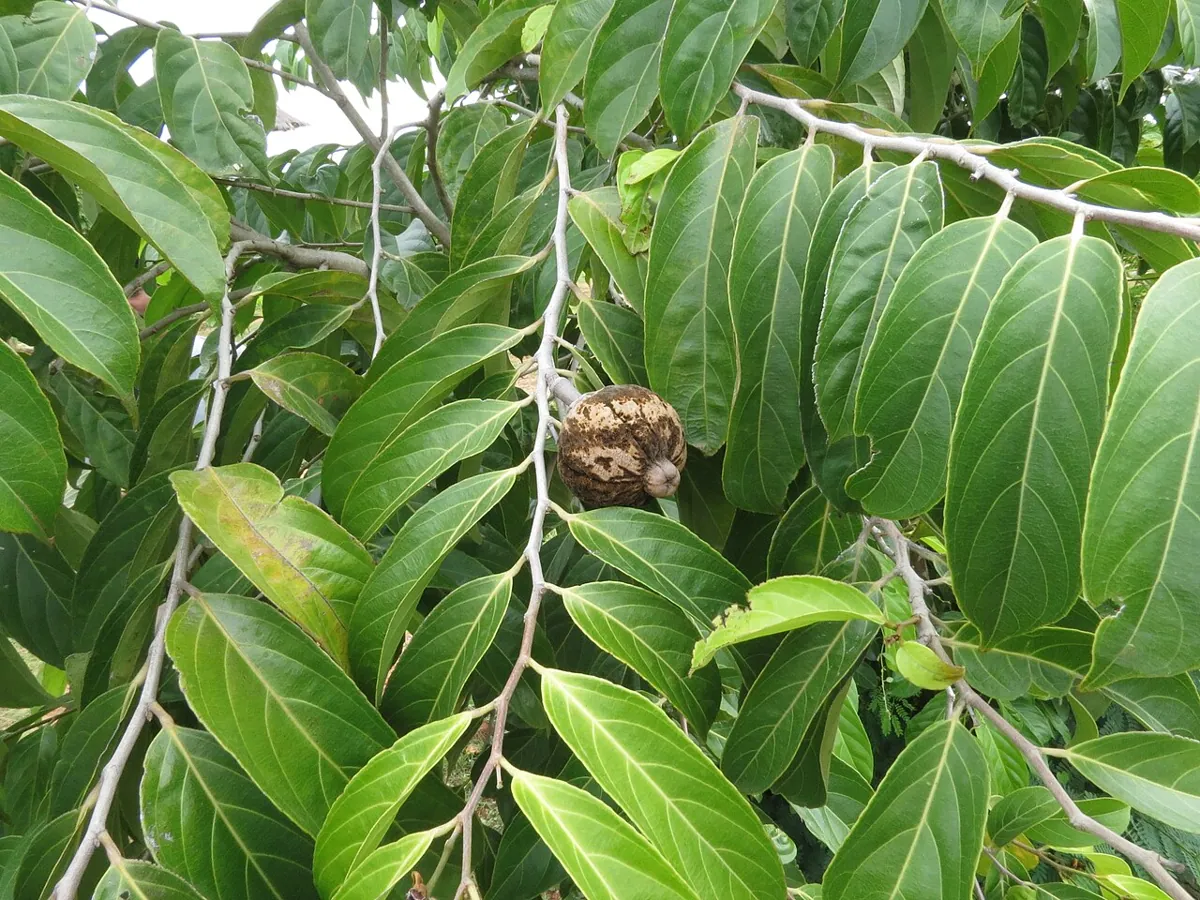
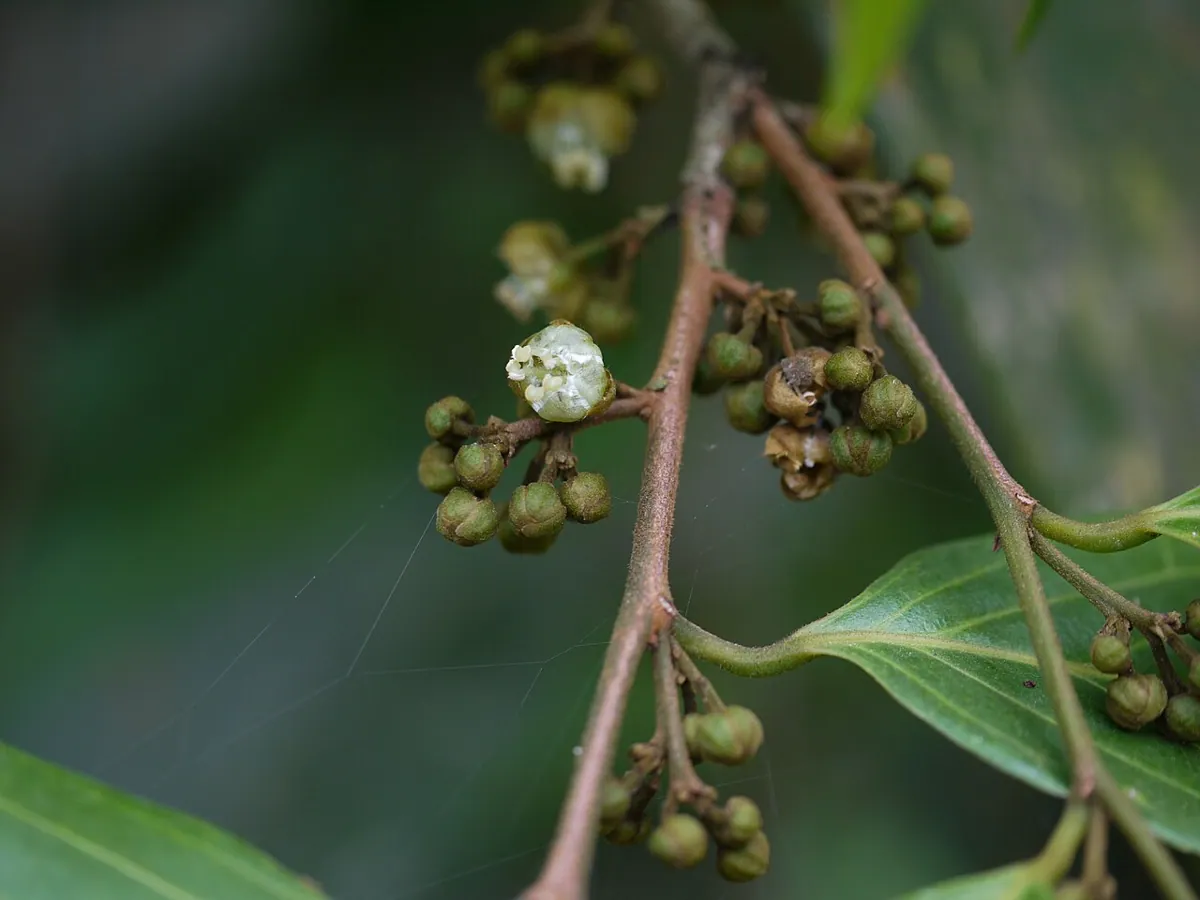
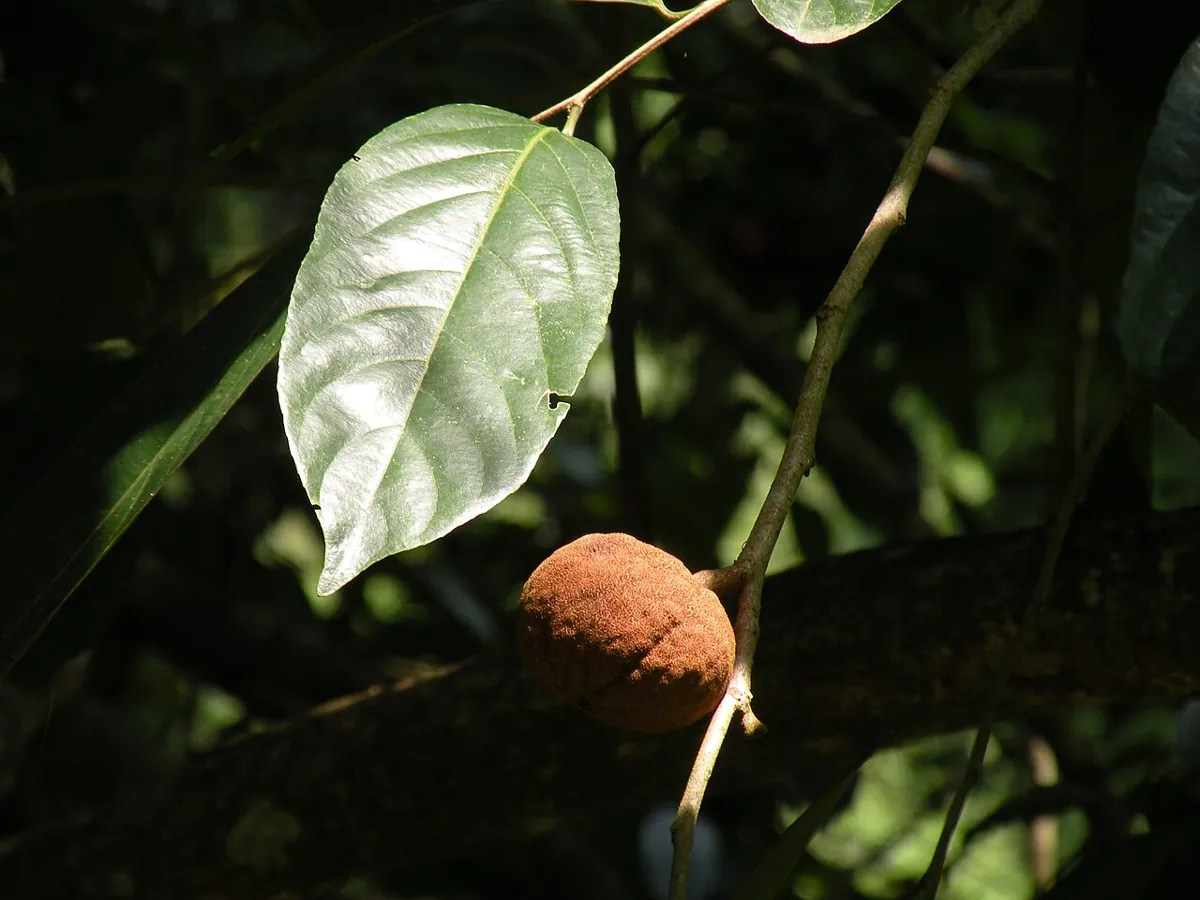
Tuvaraka (chaulmoogra) oil was used in Ayurveda for skin disease and historically for leprosy.
Caution. Classified as Visha or Upavisha (poisonous or semi-poisonous) or as strongly acting. It is used in Ayurveda only after classical purification (Shodhana) and only by a qualified physician. Never use it at home.
Rasa (taste)कटु,तिक्त (pungent, bitter)
Guna (qualities)तीक्ष्ण,स्निग्ध (sharp, unctuous)
Virya (potency)उष्ण (hot)
Vipaka (post-digestive effect)कटु (pungent)
Main action (karma)कुष्ठघ्न (for skin disease)
Part usedबीज,तैल (seed, oil)
Classical dose (adult)Decided by the physician only
About Tuvaraka
Chaulmoogra seeds yield an oil used before modern leprosy drugs.
In the classical texts
- Classical textsTuvaraka used in kushtha.
Synonyms (paryaya)
कटुकपित्थ,कुष्ठवैरी,चालमोगरा
kaṭukapittha,kuṣṭhavairī,cālamogarā
How vaidyas use it in practice
- Oil externally for skin, as prescribed.
Simple home uses
- Not for internal use.
For minor complaints only. If a problem lasts more than a few days or is severe, see a doctor.
Well-known formulations
तुवरकादि तैल
tuvarakādi taila
What science says
Contains hydnocarpic and chaulmoogric acids.
Safety and cautions
Oral use causes vomiting.
Who should not take it
- Internal use without prescription
How to identify it, and common adulterants
Seeds with brown oil.
Growing it at home
Western Ghats.
Questions people ask
Was it used for leprosy?
Historically, yes.
Want to know whether this herb suits your body type? Speak to a Parijatak vaidya.Book a consultation
This page is general information from classical Ayurvedic texts and published research. It is not a prescription. Herbs act differently in different people; take any herb only after a qualified vaidya examines you, and do not stop prescribed medicines.