
Tulasi
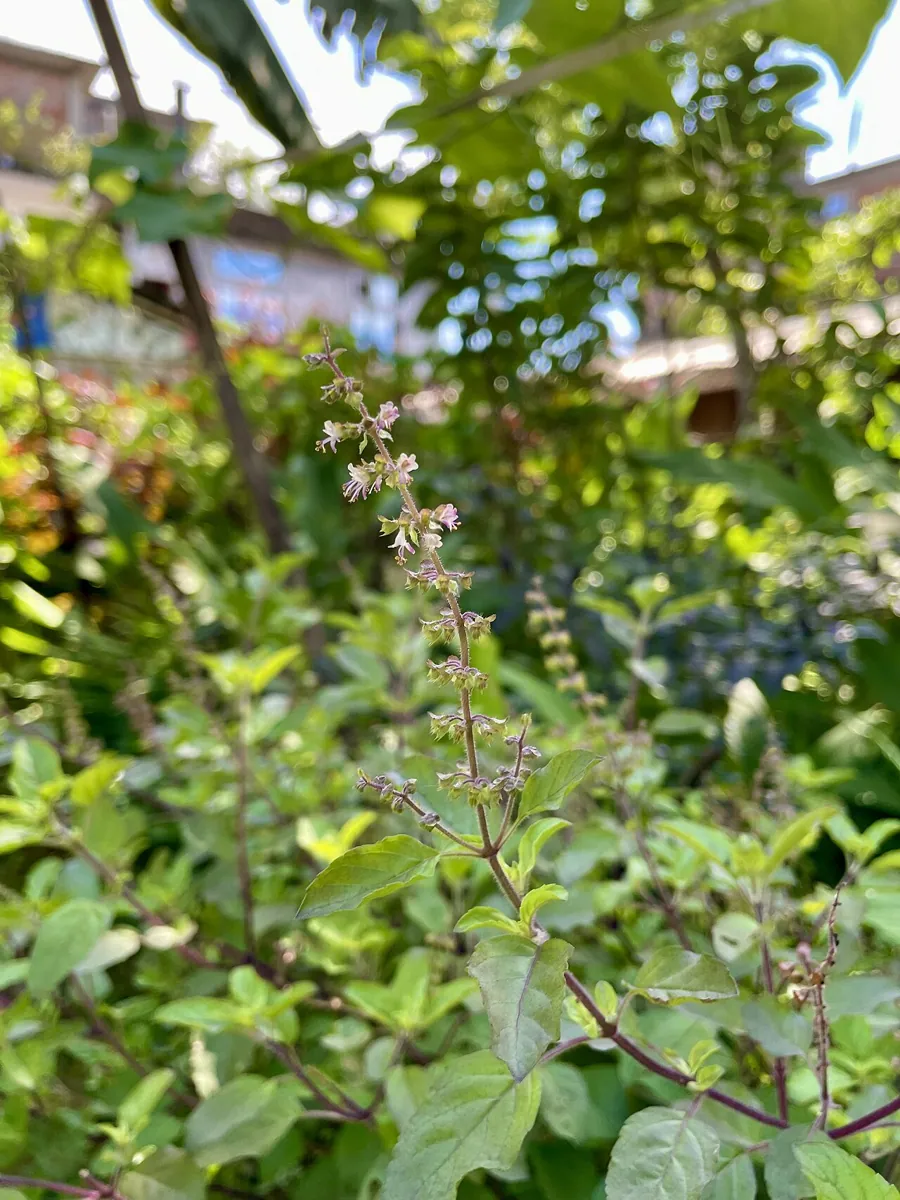
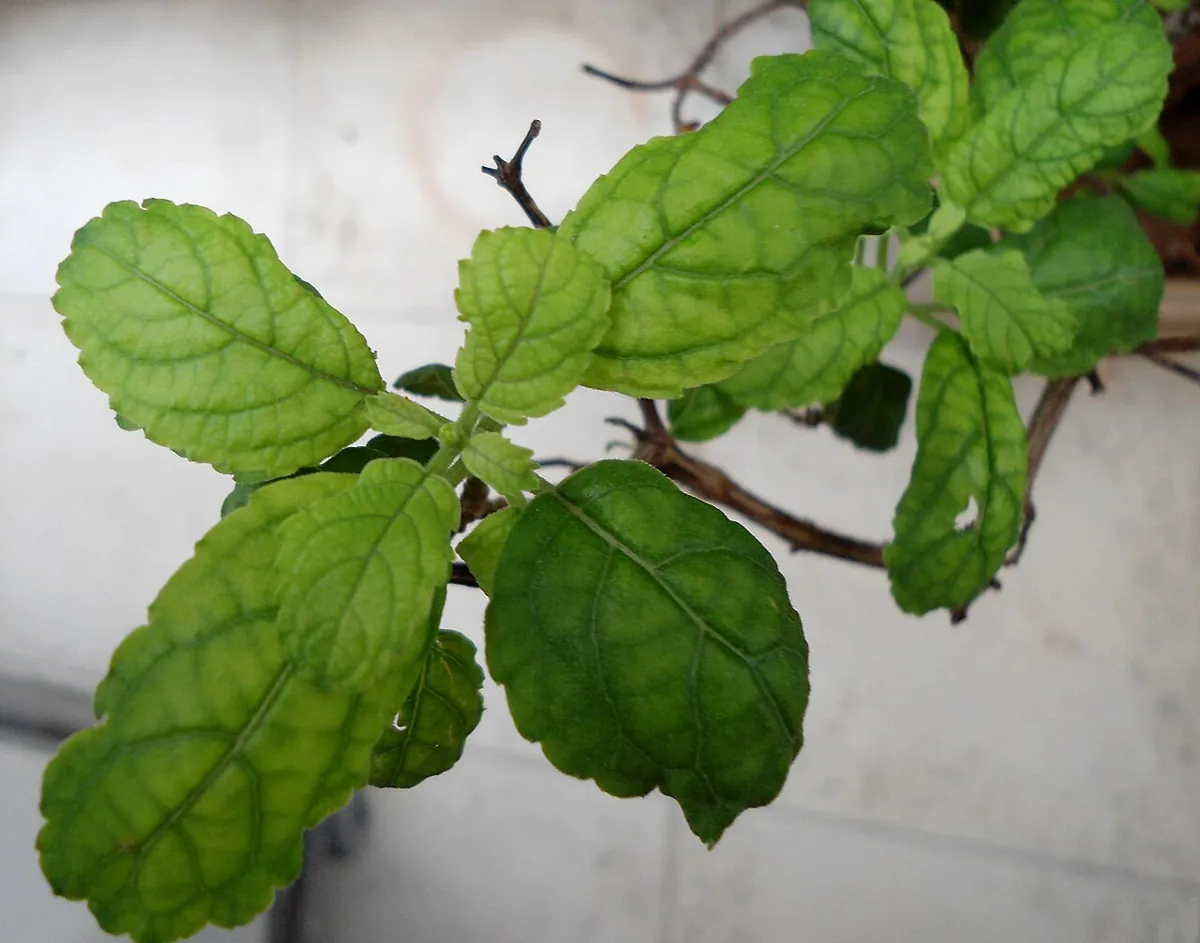
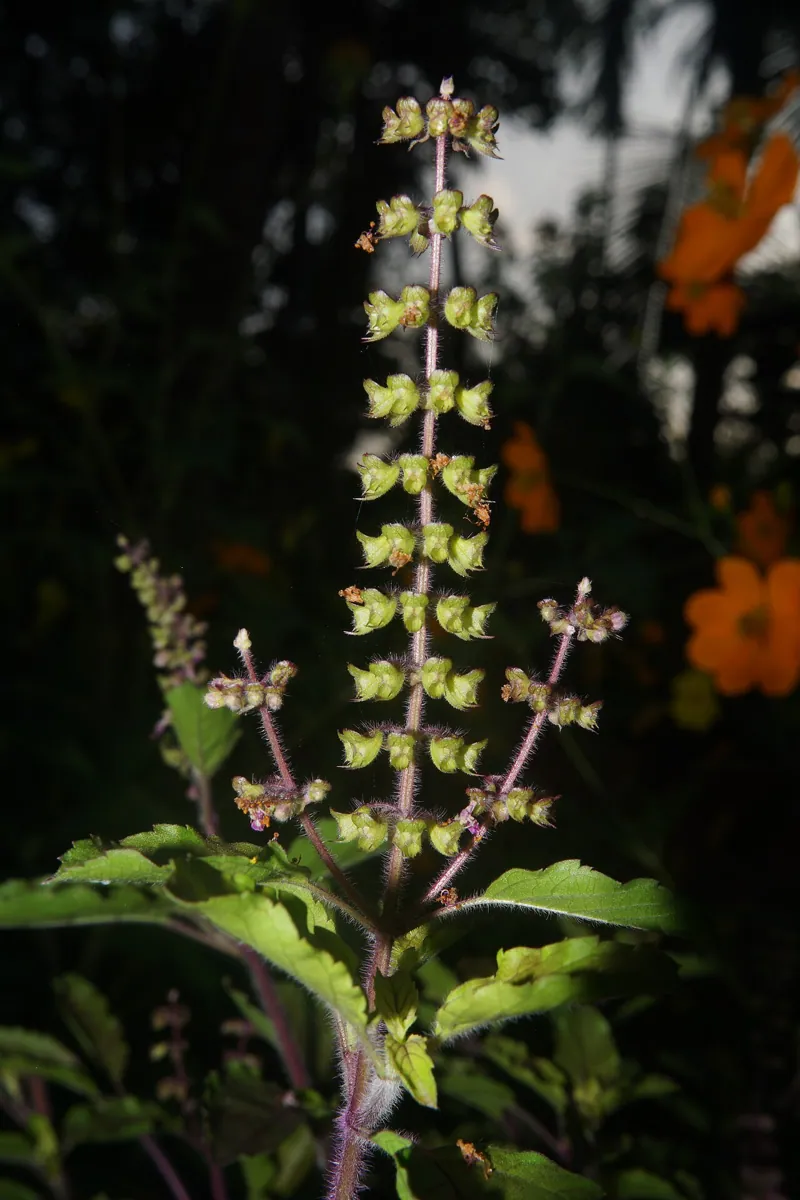
Tulasi (holy basil), called Surasa in the texts, is a warming, aromatic household herb used for cough, cold, fever, breathing and digestion.
About Tulasi
Tulasi is the sacred basil grown in a raised pot in the courtyard of most Indian homes. Two common forms are Rama Tulasi (green leaves) and Krishna Tulasi (purple leaves); both are used. Charaka calls it Surasa, 'the one with fine juice'.
Shloka from Bhavaprakasha Nighantu
तुलसी कटुका तिक्ता हृद्योष्णा दाहपित्तकृत्। दीपनी कुष्ठकृच्छ्रास्रपार्श्वरुक्कफवातजित्॥
tulasī kaṭukā tiktā hṛdyoṣṇā dāhapittakṛt| dīpanī kuṣṭhakṛcchrāsrapārśvarukkaphavātajit||
Meaning: Tulasi is pungent and bitter, good for the heart, hot, and can increase burning and Pitta. It kindles digestion and overcomes skin disease, painful urination, blood disorders, pain in the sides of the chest, Kapha and Vata.
Bhavaprakasha Nighantu, Pushpa varga
In the classical texts
- Charaka Samhita (Sutrasthana 4)Surasa is in the Shvasahara (breathing) mahakashaya; Charaka also places it among the Shirovirechana herbs.
- Sushruta SamhitaThe Surasadi gana is named after it; this group is used in Kapha disorders, worms, cough and skin complaints.
- Bhavaprakasha Nighantu (Pushpa varga)Described as katu-tikta, ushna, dipana, and useful in kapha-vata, kasa, shvasa, hikka, krimi, parshvashula (side pain) and vomiting.
Synonyms (paryaya)
सुरसा,अपेतराक्षसी,भूतघ्नी,बहुमंजरी,देवदुन्दुभी,सुलभा,ग्राम्या
surasā,apetarākṣasī,bhūtaghnī,bahumaṃjarī,devadundubhī,sulabhā,grāmyā
Classical indications
ह्रद्य, अग्निदीपक, कुष्ठ, पार्श्वशूलहर, वातकफ़हर, श्वास, कास, मूल-वीर्यस्तम्भक
hradya, agnidīpaka, kuṣṭha, pārśvaśūlahara, vātakafahara, śvāsa, kāsa, mūla-vīryastambhaka
Effect on the three doshas
How vaidyas use it in practice
- Fresh leaves (5 to 7) chewed or taken with honey in the morning during cold and cough seasons.
- Tulasi, ginger and black pepper decoction (kadha) for cold, sore throat and mild fever.
- Tulasi leaf juice with honey for children's cough, in small amounts and as advised.
- Tulasi with Guduchi in monsoon fevers, as part of the vaidya's treatment.
- Leaf paste on insect bites and ringworm-type skin patches.
Simple home uses
- 5–7 fresh leaves with honey in the morning in cold and cough season.
- Tulsi, ginger and pepper kadha for a cold.
- Leaf juice on an insect bite.
For minor complaints only. If a problem lasts more than a few days or is severe, see a doctor.
What science says
The leaves contain essential oil rich in eugenol, together with ursolic acid, rosmarinic acid and flavonoids. Studies, mostly small, have looked at stress, blood sugar, respiratory symptoms and immune response. Reviews describe it as a promising 'adaptogen', with more research needed.
Safety and cautions
Avoid medicinal doses in pregnancy and when trying to conceive. Because it is warming, very Pitta-type people should use it with cooling partners. People on blood thinners or diabetes medicines should consult their doctor before regular use.
Who should not take it
- Pregnancy and when trying to conceive (medicinal doses)
- Very Pitta-type people in summer (use small amounts)
- With blood thinners, without the doctor's advice
How to identify it, and common adulterants
Holy basil has a clove-like smell (eugenol) and hairy stems; sweet basil (Ocimum basilicum) has a sweeter, anise smell and smoother leaves.
Growing it at home
Easy in a pot in full sun. Pinch off the flower spikes to keep leaves coming; it self-seeds in the monsoon.
Questions people ask
Should Tulasi leaves be chewed?
Many families chew them; some prefer swallowing or taking the juice. Both are traditional. If you have sensitive teeth, take the juice with honey.
Is Krishna Tulasi stronger than Rama Tulasi?
Krishna Tulasi is traditionally said to be a little stronger and more warming; both are used the same way.
This page is general information from classical Ayurvedic texts and published research. It is not a prescription. Herbs act differently in different people; take any herb only after a qualified vaidya examines you, and do not stop prescribed medicines.