
Shyonaka
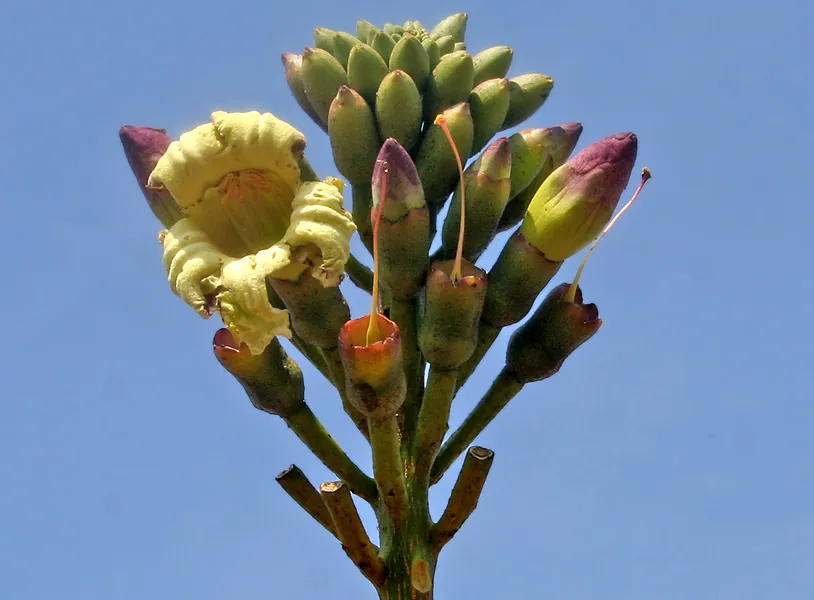
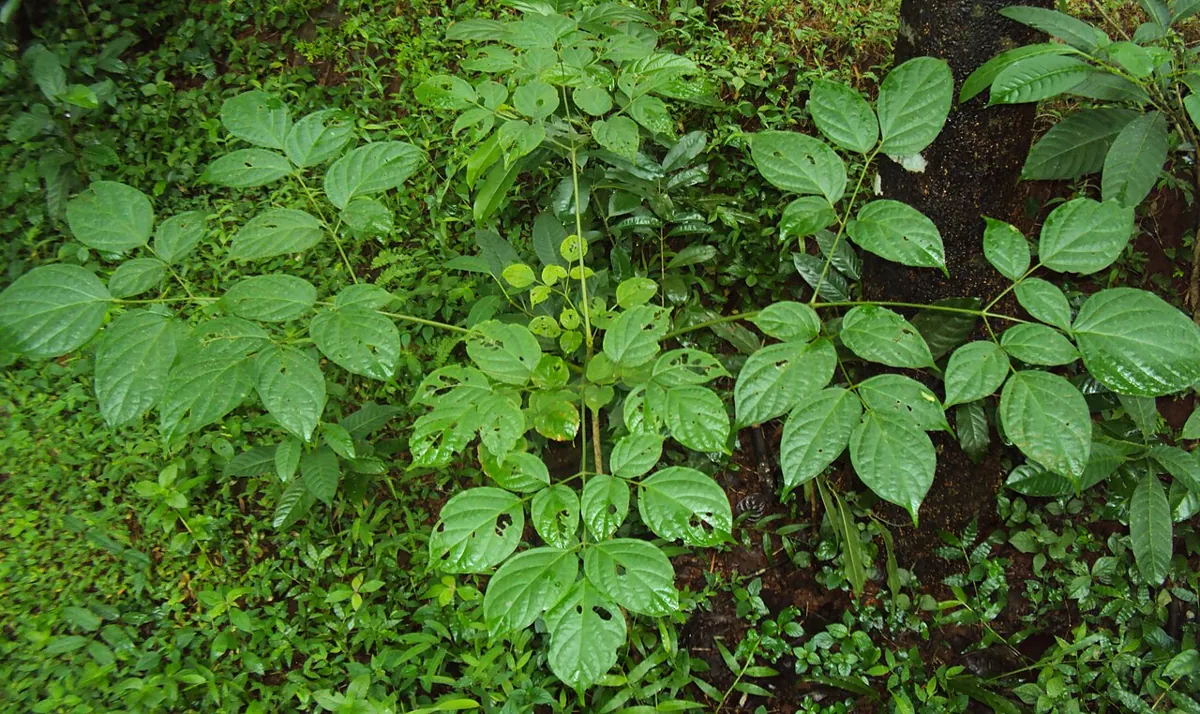
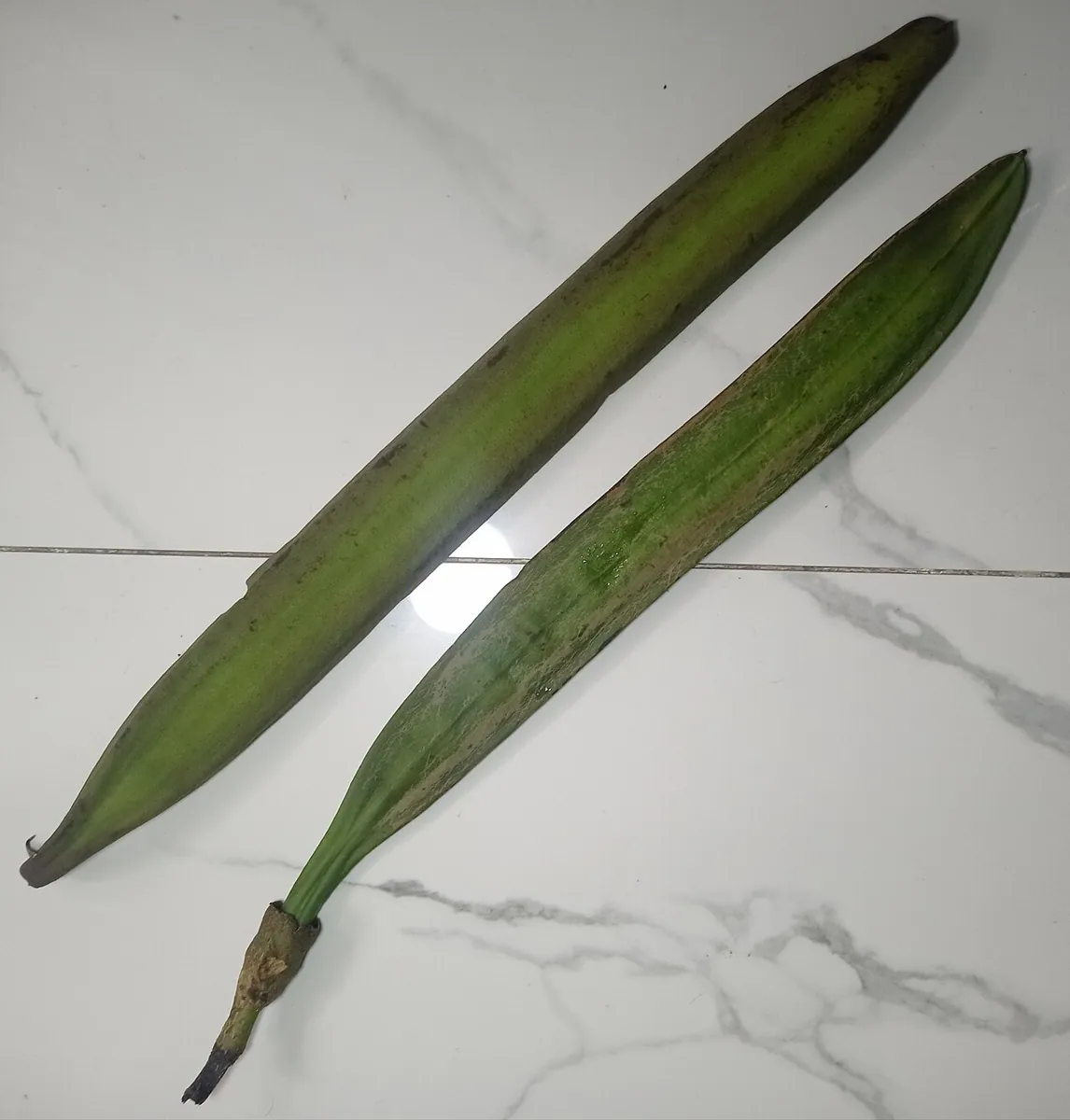
Shyonaka is a Dashamula tree root used in Ayurveda for diarrhoea, swelling, cough and Vata disorders.
About Shyonaka
Shyonaka is a small tree with huge sword-like pods (Indian trumpet tree), found in forests across India. Its root bark is in Brihat Panchamula.
In the classical texts
- Charaka Samhita (Sutrasthana 4)Included in the Shvayathuhara and Anuvasanopaga groups; part of Brihat Panchamula.
- Bhavaprakasha NighantuRoot described as binding and removing Vata and Kapha.
Synonyms (paryaya)
टुण्टुक,कुटन्नट,भल्लूक,पृथुशिम्ब,सोनापाठा
ṭuṇṭuka,kuṭannaṭa,bhallūka,pṛthuśimba,sonāpāṭhā
Classical indications
अग्निदीपक, मलसंग्राहक, शोथ, अतिसार, आमातिसार, संग्रहणी, कर्णस्राव-शूलहर
agnidīpaka, malasaṃgrāhaka, śotha, atisāra, āmātisāra, saṃgrahaṇī, karṇasrāva-śūlahara
Effect on the three doshas
How vaidyas use it in practice
- In Dashamula preparations.
- Shyonaka puta-paka in chronic diarrhoea, as advised.
Simple home uses
- Not usually a home remedy.
For minor complaints only. If a problem lasts more than a few days or is severe, see a doctor.
Well-known formulations
बृहत्पञ्चमूल क्वाथ
bṛhatpañcamūla kvātha
What science says
Contains flavonoids (oroxylin A, baicalein, chrysin); anti-inflammatory and anti-diarrhoeal effects shown.
Safety and cautions
Generally safe.
Who should not take it
- Pregnancy (without advice)
How to identify it, and common adulterants
Huge flat pods up to 1 m long; papery winged seeds.
Growing it at home
Grows from seed.
Questions people ask
Is Shyonaka in Dashamula?
Yes, in the larger group.
This page is general information from classical Ayurvedic texts and published research. It is not a prescription. Herbs act differently in different people; take any herb only after a qualified vaidya examines you, and do not stop prescribed medicines.