
Shirisha
Shirisha is Ayurveda's foremost anti-poison and anti-allergy herb, used for itching, allergic rhinitis, asthma and skin.
About Shirisha
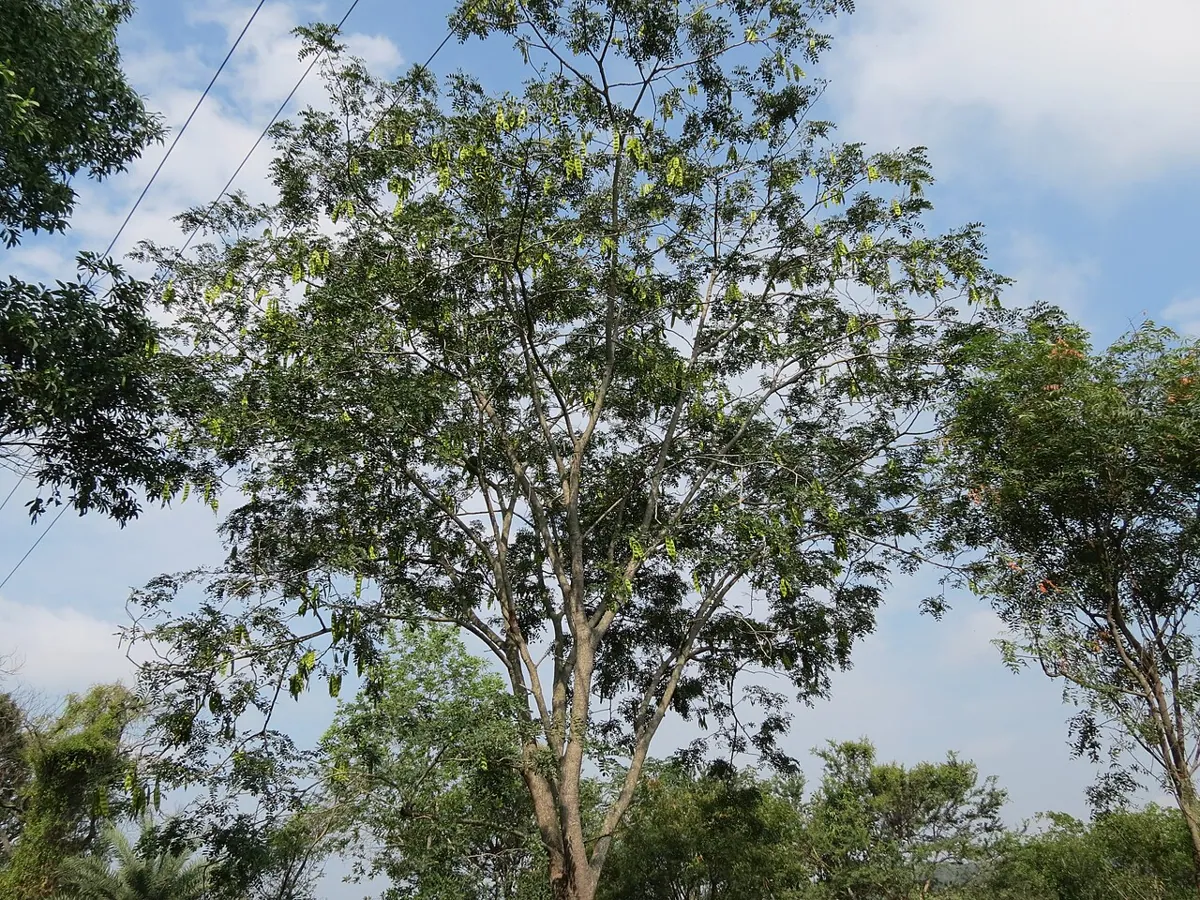
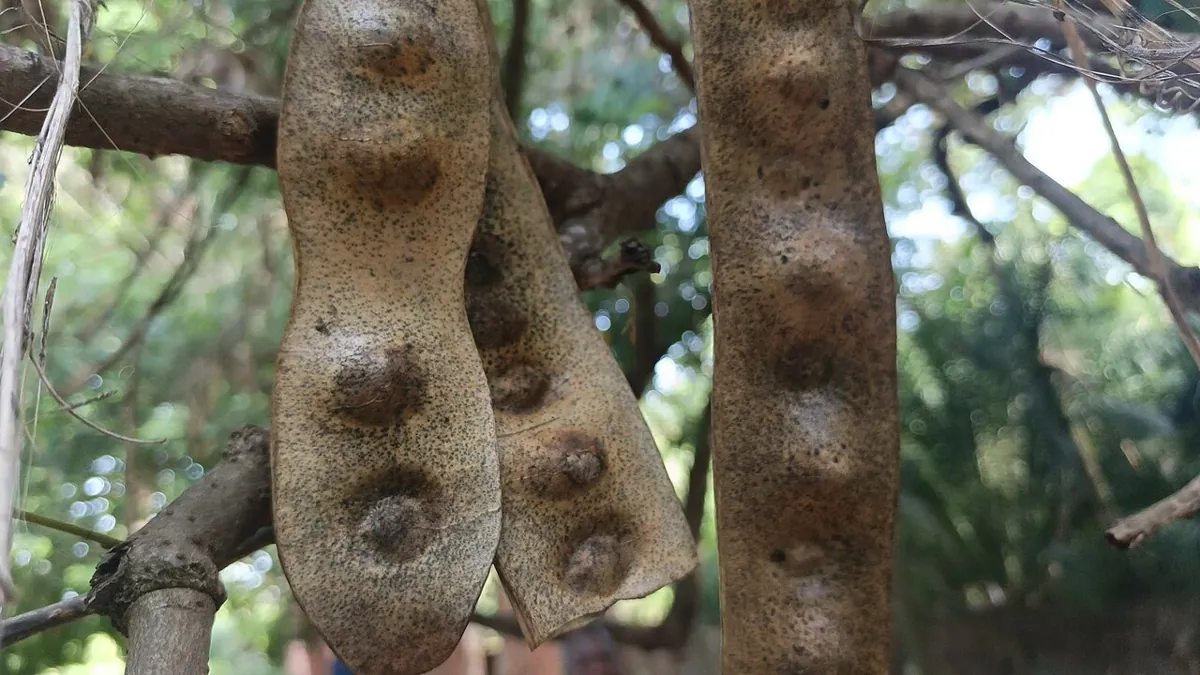
Shirisha is a large tree with fragrant puff-ball flowers and long rattling pods (woman's tongue tree), common across India.
Shloka from Bhavaprakasha Nighantu
शिरीषो मधुरोऽनुष्णस्तिक्तश्च तुवरो लघुः। दोषशोथविसर्पघ्नः कासव्रणविषापहः॥
śirīṣo madhuro'nuṣṇastiktaśca tuvaro laghuḥ| doṣaśothavisarpaghnaḥ kāsavraṇaviṣāpahaḥ||
Meaning: Shirisha is sweet, not hot, bitter and astringent, and light. It removes dosha disorders, swelling and erysipelas, and removes cough, wounds and poison.
Bhavaprakasha Nighantu, Vatadi varga
In the classical texts
- Charaka Samhita (Sutrasthana 25)Named the best among anti-poison herbs.
- Charaka Samhita (Sutrasthana 4)Included in the Vishaghna and Vedanasthapana groups.
- Bhavaprakasha Nighantu (Vatadi varga)Described with the shloka above.
Synonyms (paryaya)
शुकतरु,कपितन,भन्डीर,शुकप्रिय
śukataru,kapitana,bhanḍīra,śukapriya
Classical indications
वातहर, शुक्रस्तम्भन, शोथ, विसर्प, विष, कास, गन्डमालाहर
vātahara, śukrastambhana, śotha, visarpa, viṣa, kāsa, ganḍamālāhara
Effect on the three doshas
How vaidyas use it in practice
- Shirishadi kashaya for allergies and itching.
- Bark in allergic asthma and rhinitis.
- Paste on insect bites.
Simple home uses
- Bark paste on insect bites.
For minor complaints only. If a problem lasts more than a few days or is severe, see a doctor.
Well-known formulations
महाशिरीष अगद, शिरीषारिष्ट
mahāśirīṣa agada, śirīṣāriṣṭa
What science says
Contains saponins and flavonoids; studies show antihistamine and anti-allergic effects.
Safety and cautions
Generally safe.
Who should not take it
- Pregnancy (without advice)
How to identify it, and common adulterants
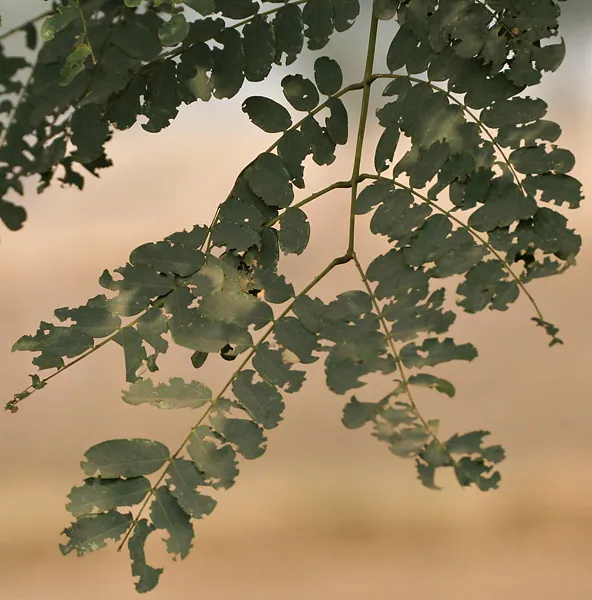
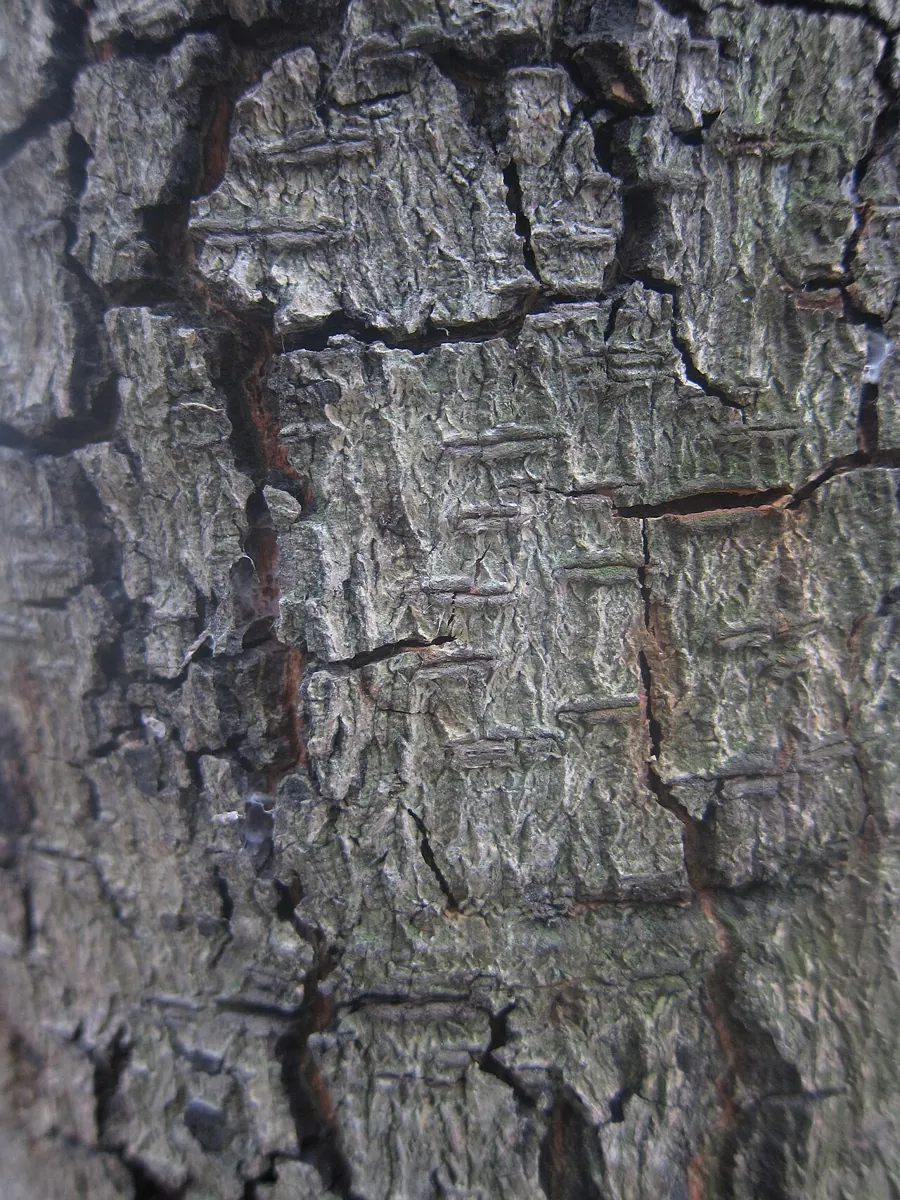
Fragrant greenish-white puffball flowers; flat straw-coloured pods that rattle.
Growing it at home
Fast-growing shade tree for Vidarbha.
Questions people ask
Is Shirisha good for allergies?
It is the classical anti-allergy herb.
This page is general information from classical Ayurvedic texts and published research. It is not a prescription. Herbs act differently in different people; take any herb only after a qualified vaidya examines you, and do not stop prescribed medicines.