
Shigru (Shobhanjana)
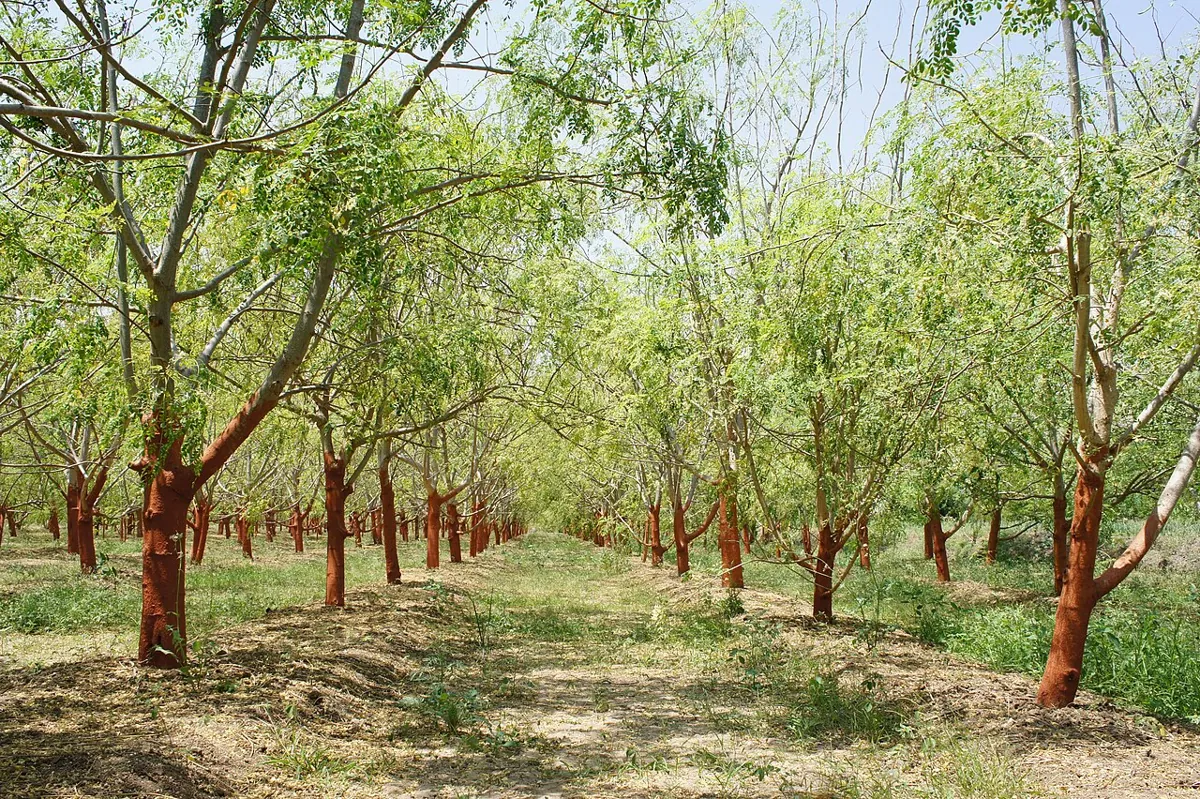
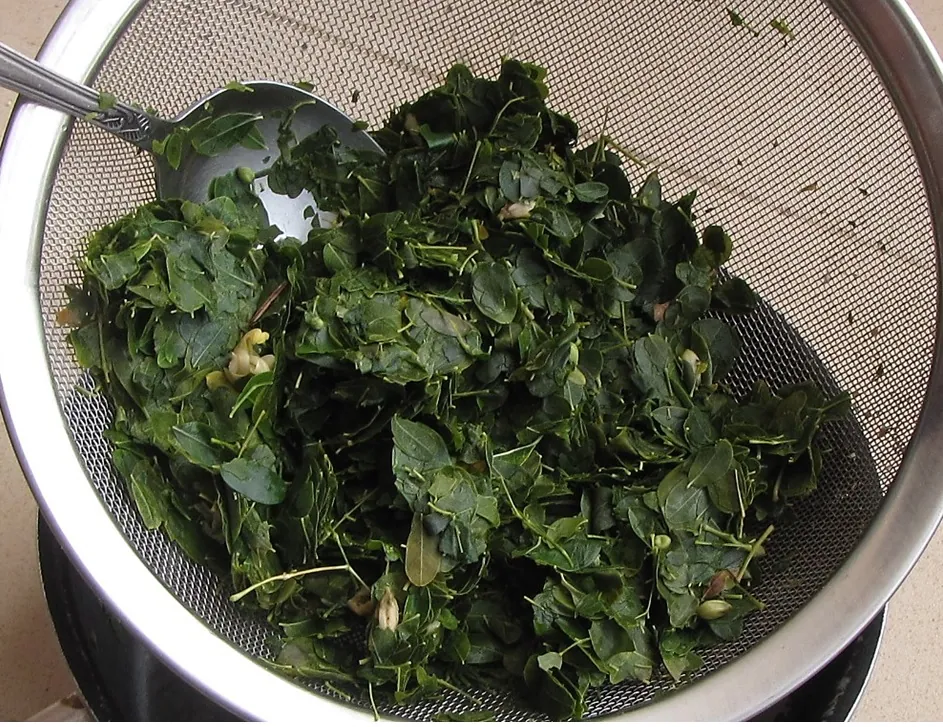
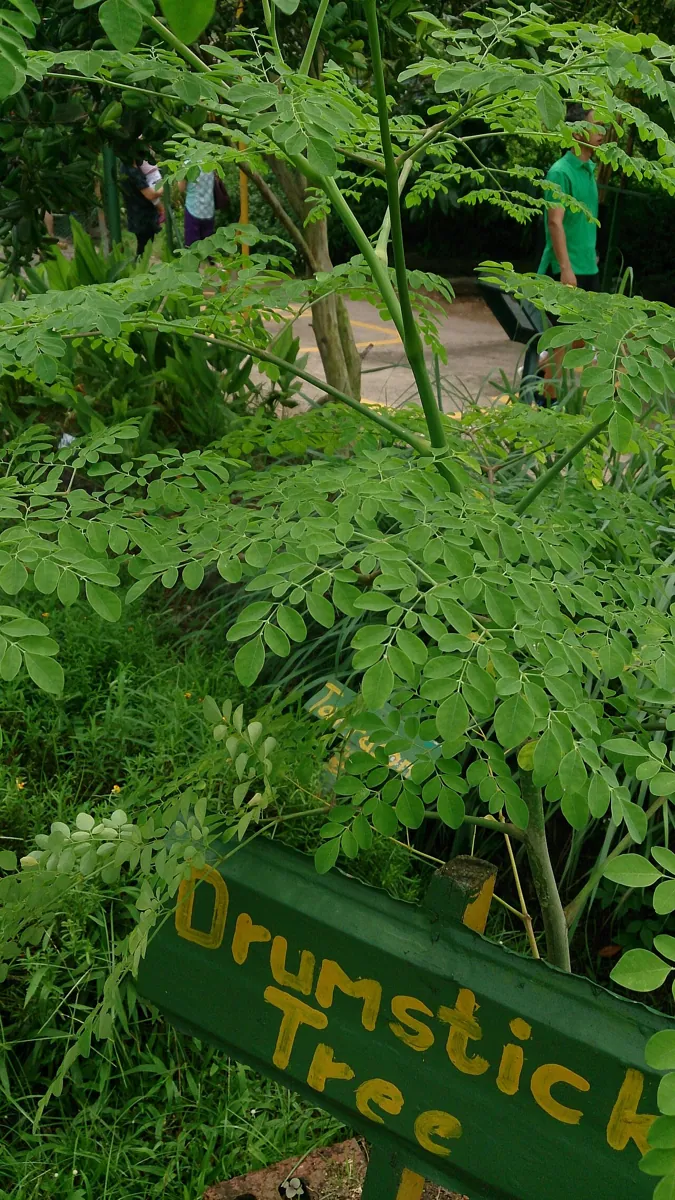
Shigru (moringa, drumstick) is a nutrient-rich tree whose root bark, leaves and seeds are used in Ayurveda for swelling, joint pain, worms and as food.
About Shigru (Shobhanjana)
Shigru is a fast-growing tree found in almost every courtyard in Maharashtra, whose pods (shevga) are a favourite vegetable. Leaves are now popular worldwide as a superfood. In Ayurveda the root bark is a strong medicine and the leaves and pods are food-medicine.
Shloka from Bhavaprakasha Nighantu
शिग्रुः कटुः कटुः पाके तीक्ष्णोष्णो मधुरो लघुः। दीपनो रोचनो रूक्षः क्षारस्तिक्तो विदाहकृत्॥
śigruḥ kaṭuḥ kaṭuḥ pāke tīkṣṇoṣṇo madhuro laghuḥ| dīpano rocano rūkṣaḥ kṣārastikto vidāhakṛt||
संग्राही शुक्रलो हृद्यः पित्तरक्तप्रकोपनः। चक्षुष्यः कफवातघ्नो विद्रधिश्वयथुक्रिमीन्॥
saṃgrāhī śukralo hṛdyaḥ pittaraktaprakopanaḥ| cakṣuṣyaḥ kaphavātaghno vidradhiśvayathukrimīn||
मेदोऽपचीविषप्लीहगुल्मगण्डव्रणान् हरेत्॥
medo'pacīviṣaplīhagulmagaṇḍavraṇān haret||
Meaning: Shigru is pungent, pungent after digestion, sharp, hot, sweet and light. It kindles and improves taste, is dry, alkaline, bitter and causes burning. It binds, increases shukra, is good for the heart, provokes Pitta and blood, is good for the eyes, removes Kapha and Vata, and removes abscess, swelling, worms, fat, glandular swellings, poison, spleen disorders, gulma, goitre and wounds.
Bhavaprakasha Nighantu, Guduchyadi varga
In the classical texts
- Charaka Samhita (Sutrasthana 4)Shigru seeds are among the Shirovirechanopaga herbs used in nasal medicines.
- Sushruta SamhitaShigru is used for abscesses and swelling.
- Bhavaprakasha Nighantu (Guduchyadi varga)Described with the shloka above.
Synonyms (paryaya)
शिग्रु,तीक्ष्णगन्धा,मोचक,अक्षीव
śigru,tīkṣṇagandhā,mocaka,akṣīva
Classical indications
अग्निदीपक, तीक्ष्ण, चक्षुष्य, शोथ, कृमि, मेदोरोग, अपची, विष, गलगन्ड, व्रणहर, पत्र-वेदनाहर
agnidīpaka, tīkṣṇa, cakṣuṣya, śotha, kṛmi, medoroga, apacī, viṣa, galaganḍa, vraṇahara, patra-vedanāhara
Effect on the three doshas
How vaidyas use it in practice
- Root bark decoction or paste for swelling and joint pain, as prescribed.
- Leaves cooked as a vegetable for nutrition and anaemia.
- Seeds in nasya for heaviness of the head.
- Leaf poultice on swollen joints.
Simple home uses
- Drumstick pods in sambar and dal.
- Moringa leaf bhaji or powder in food for iron and calcium.
- Warm leaf paste on a swollen joint.
For minor complaints only. If a problem lasts more than a few days or is severe, see a doctor.
Well-known formulations
शोभाञ्जनादि लेप
śobhāñjanādi lepa
What science says
Leaves are rich in protein, calcium, iron, vitamins A and C and polyphenols. Seeds contain proteins that clear water. Root bark contains alkaloids (moringinine) and should be used carefully.
Safety and cautions
Leaves and pods are safe food. Root and bark can cause miscarriage and are irritant in large doses; use only as prescribed.
Who should not take it
- Pregnancy (root and bark)
- Bleeding disorders (root bark)
How to identify it, and common adulterants
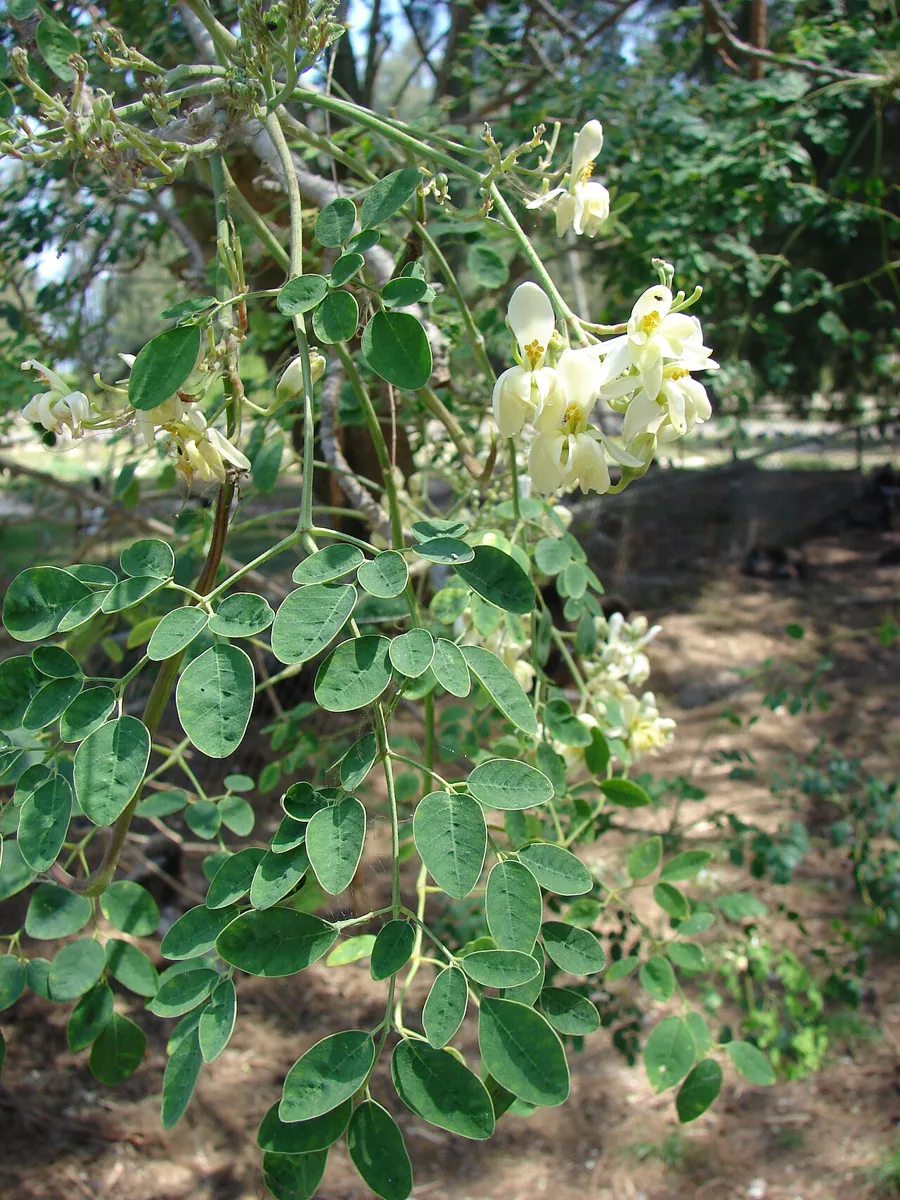
Feathery, triple-compound leaves with small oval leaflets; long ribbed pods. Moringa concanensis (red) is a related wild species.
Growing it at home
Very easy: plant a 1 m stem cutting or seed in the monsoon; grows fast in full sun and poor soil in Vidarbha.
Questions people ask
Is moringa powder good for anaemia?
Its leaves are rich in iron and are a good food. Anaemia should still be tested and treated properly.
Is the root safe?
The root and bark are strong medicines and not safe for pregnancy or home use.
This page is general information from classical Ayurvedic texts and published research. It is not a prescription. Herbs act differently in different people; take any herb only after a qualified vaidya examines you, and do not stop prescribed medicines.