
Shatavari
Shatavari is a cooling, nourishing root described as the foremost rasayana for women: for menstrual and menopausal health, lactation, acidity and strength.
About Shatavari
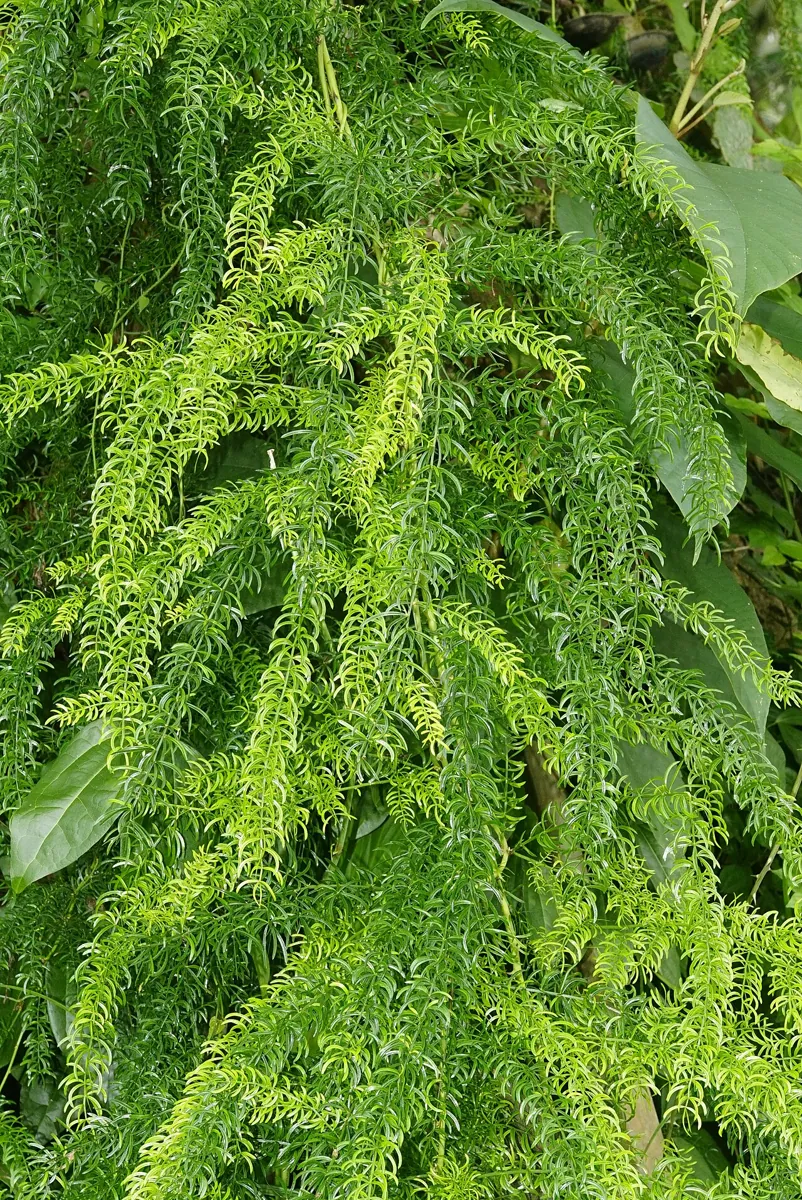
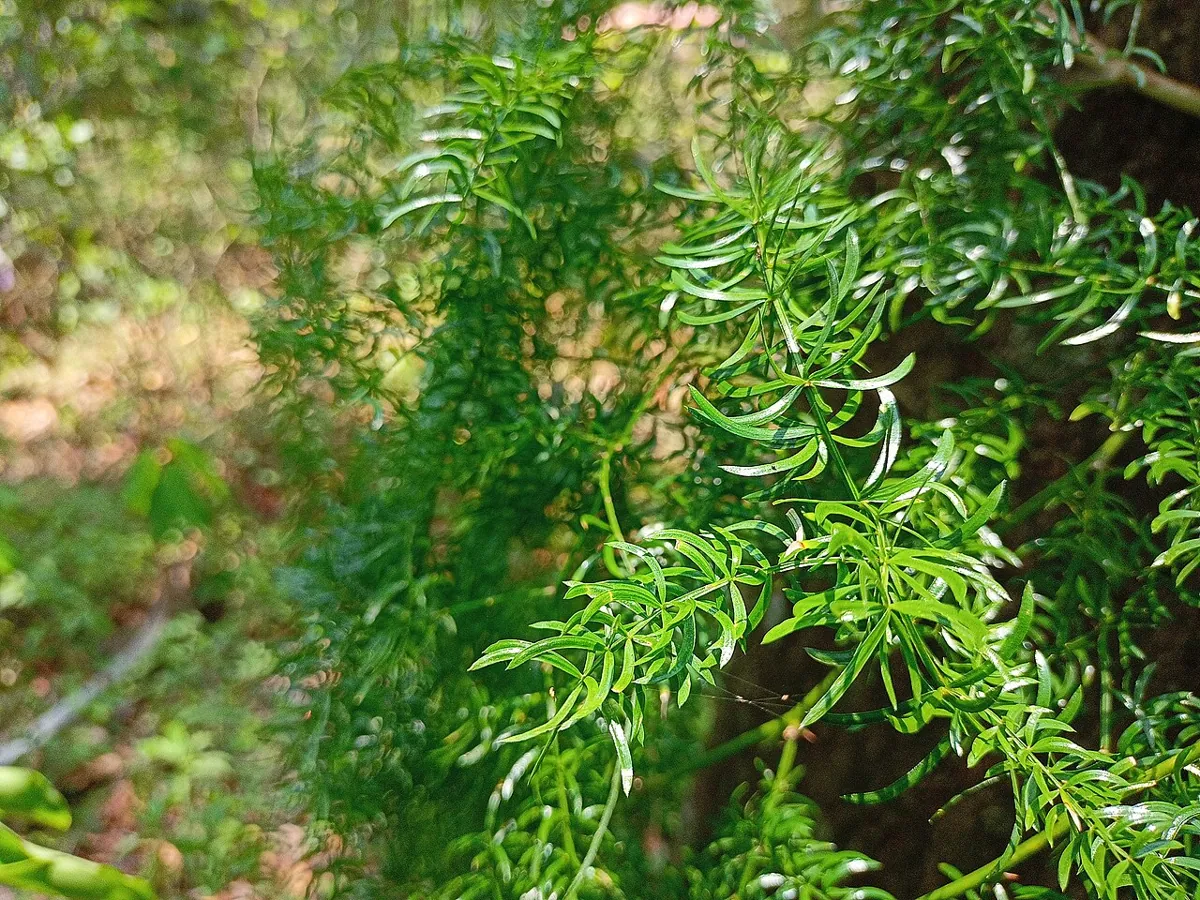
Shatavari is a climbing asparagus with fine needle-like leaves and a cluster of many fleshy roots, which explains the name: 'one with a hundred roots'. It grows wild in central Indian forests, including Vidarbha, and is now widely cultivated. The tuberous roots are peeled, dried and powdered.
Shloka from Bhavaprakasha Nighantu
शतावरी गुरुः शीता तिक्ता स्वाद्वी रसायनी। मेधाग्निपुष्टिदा स्निग्धा नेत्र्या गुल्मातिसारजित्॥
śatāvarī guruḥ śītā tiktā svādvī rasāyanī| medhāgnipuṣṭidā snigdhā netryā gulmātisārajit||
शुक्रस्तन्यकरी बल्या वातपित्तास्रशोथजित्॥
śukrastanyakarī balyā vātapittāsraśothajit||
Meaning: Shatavari is heavy, cold, bitter and sweet, a rasayana; it gives intellect, digestive power and nourishment; it is unctuous, good for the eyes, and overcomes gulma and diarrhoea. It increases shukra and breast milk, gives strength, and removes Vata, Pitta, blood disorders and swelling.
Bhavaprakasha Nighantu, Guduchyadi varga
In the classical texts
- Charaka Samhita (Sutrasthana 4)Included in the Balya and Vayahsthapana mahakashayas and among Madhura (sweet) herbs.
- Sushruta SamhitaBelongs to the Vidarigandhadi gana and is part of Narayana taila.
- Bhavaprakasha Nighantu (Guduchyadi varga)Described as madhura-tikta, shita, guru, snigdha; medhya, agnipushtida, rasayani, stanyakari (increases breast milk) and shukrala; useful in raktapitta, shotha and vata-pitta disorders.
- Chakradatta and SharangadharaShatavari ghrita and Shatavari kalpa appear for raktapitta, amlapitta and women's health.
Synonyms (paryaya)
बहुशुता,शतवीर्या,शतमूली,अतिरसा
bahuśutā,śatavīryā,śatamūlī,atirasā
Classical indications
रसायन, मेध्य, अग्निवर्धक, पुष्टिदायक, स्तन्यवर्धक, शुक्रवर्धक, चक्षुष्य, वातपित्तहर, शोथहर
rasāyana, medhya, agnivardhaka, puṣṭidāyaka, stanyavardhaka, śukravardhaka, cakṣuṣya, vātapittahara, śothahara
Effect on the three doshas
How vaidyas use it in practice
- Shatavari powder with warm milk for heavy periods of a Pitta type, menopausal heat and dryness, as advised.
- Shatavari kalpa or granules for nursing mothers, along with diet, rest and the doctor's advice.
- With Yashtimadhu and Amalaki for acidity and burning stomach.
- Shatavari ghrita in Pitta-type gastritis, dry cough and weakness.
- In men, too, for strength and Pitta-type burning urine, often with Gokshura.
Simple home uses
- One teaspoon of Shatavari powder in warm milk with a little sugar candy for heat and acidity, if the vaidya agrees.
For minor complaints only. If a problem lasts more than a few days or is severe, see a doctor.
Well-known formulations
शतावरीघृत, नारायणतैल, विष्णुतैल
śatāvarīghṛta, nārāyaṇataila, viṣṇutaila
What science says
The roots contain steroidal saponins (shatavarins), flavonoids and polysaccharides. Small studies have looked at breast-milk output, menopausal symptoms and ulcer protection. Results are encouraging but the trials are few and small.
Safety and cautions
Because it is heavy and nourishing, it may not suit people with poor digestion, heavy Kapha or a tendency to water retention. People with hormone-sensitive conditions, those on diuretics, and pregnant women should use it only with their doctor's advice.
Who should not take it
- Poor digestion with heaviness
- Heavy Kapha, water retention
- Hormone-sensitive conditions without the doctor's advice
- Pregnancy unless prescribed
How to identify it, and common adulterants
Dried Shatavari roots are long, spindle-shaped, cream to yellowish, slightly translucent and sweet-bitter. Other Asparagus species and starch fillers are common adulterants.
Growing it at home
A climbing plant that grows from seed or root crowns in the monsoon. It needs support to climb; roots are harvested after 18–24 months.
Questions people ask
Is Shatavari only for women?
No. It is best known for women's health but is used in men too, for strength, acidity and burning urine.
How is Shatavari usually taken?
As powder with warm milk, as granules (kalpa), or as Shatavari ghrita. The vaidya decides which suits you.
This page is general information from classical Ayurvedic texts and published research. It is not a prescription. Herbs act differently in different people; take any herb only after a qualified vaidya examines you, and do not stop prescribed medicines.