
Shalmali
Shalmali (silk cotton tree) is used in Ayurveda for bleeding, diarrhoea, burning and as a nourishing tonic; its gum is Mocharasa.
About Shalmali
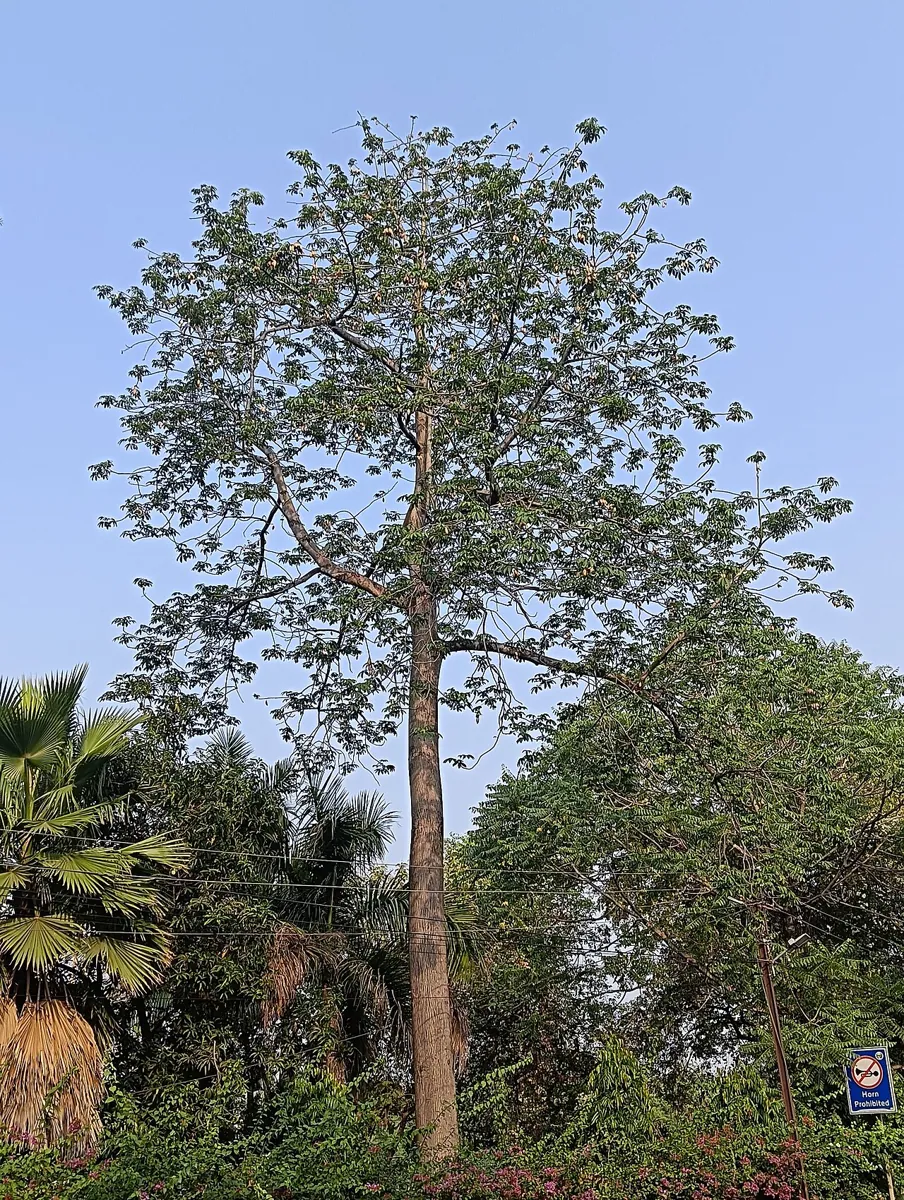
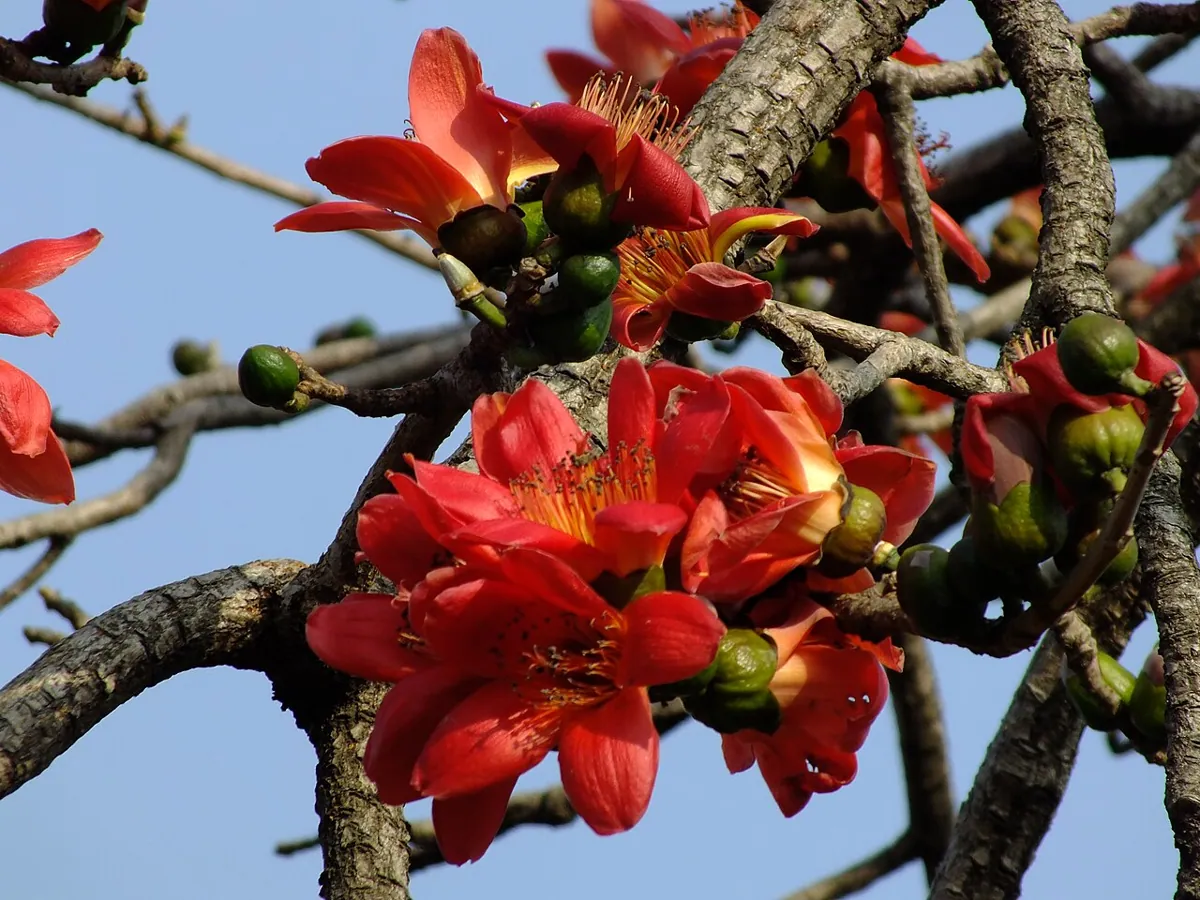
Shalmali is the tall red-flowered silk cotton tree of Indian forests. Its gum (Mocharasa), root (Semal musli), flowers and bark are medicines.
In the classical texts
- Charaka Samhita (Sutrasthana 4)Mocharasa is in the Shonitasthapana and Purishasangrahaniya groups.
- Bhavaprakasha NighantuMocharasa described as astringent, cold, binding and stopping bleeding.
Synonyms (paryaya)
मोचा,पिच्छिल,रक्तपुष्प,स्थिरायु,कंटकाढ्य,तुलिनी,सेमल
mocā,picchila,raktapuṣpa,sthirāyu,kaṃṭakāḍhya,tulinī,semala
Classical indications
शीतल, रसायन, वातरक्त, रक्तपित्त, संग्राही, वृष्य, पौष्टिक, युवानपिडिकाहर
śītala, rasāyana, vātarakta, raktapitta, saṃgrāhī, vṛṣya, pauṣṭika, yuvānapiḍikāhara
Effect on the three doshas
How vaidyas use it in practice
- Mocharasa in bleeding piles and diarrhoea.
- Young root (Semal musli) as a nourishing tonic.
- Flowers in heat conditions.
Simple home uses
- Not usually a home remedy.
For minor complaints only. If a problem lasts more than a few days or is severe, see a doctor.
Well-known formulations
शाल्मलिघृत
śālmalighṛta
What science says
Contains mangiferin, tannins and sesquiterpenes; studies show anti-bleeding and anti-diarrhoeal effects.
Safety and cautions
Very astringent; may constipate.
Who should not take it
- Constipation
How to identify it, and common adulterants
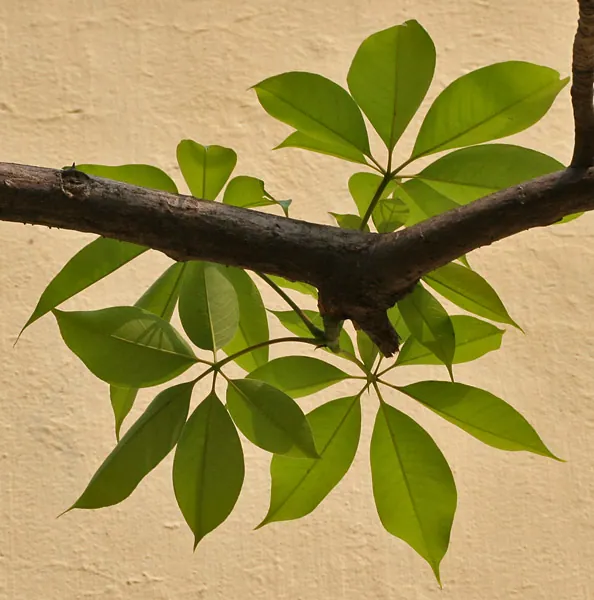
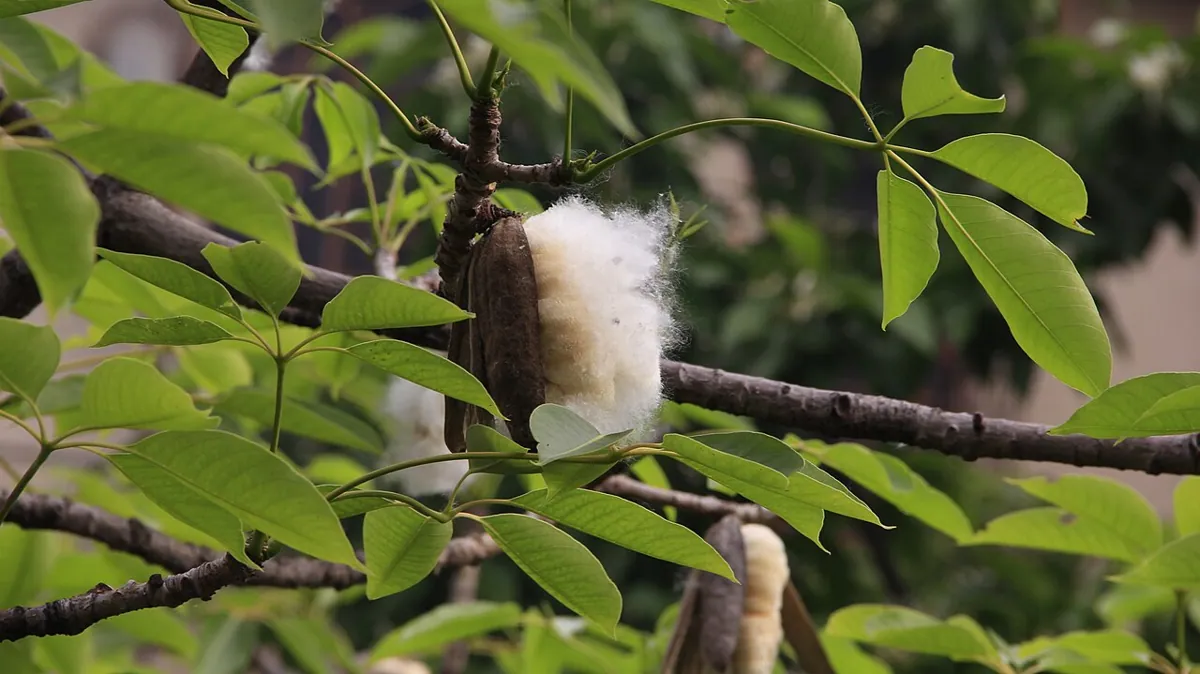
Thorny trunk; large red flowers in February–March; cotton-filled pods.
Growing it at home
Common in Vidarbha; plant saplings.
Questions people ask
What is Mocharasa?
The gum of the Shalmali tree, used to stop bleeding and diarrhoea.
This page is general information from classical Ayurvedic texts and published research. It is not a prescription. Herbs act differently in different people; take any herb only after a qualified vaidya examines you, and do not stop prescribed medicines.