
Shallaki
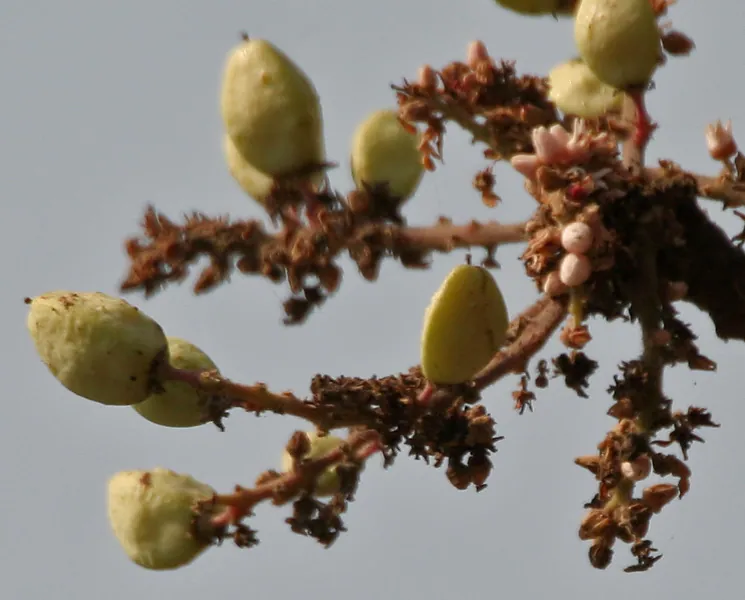
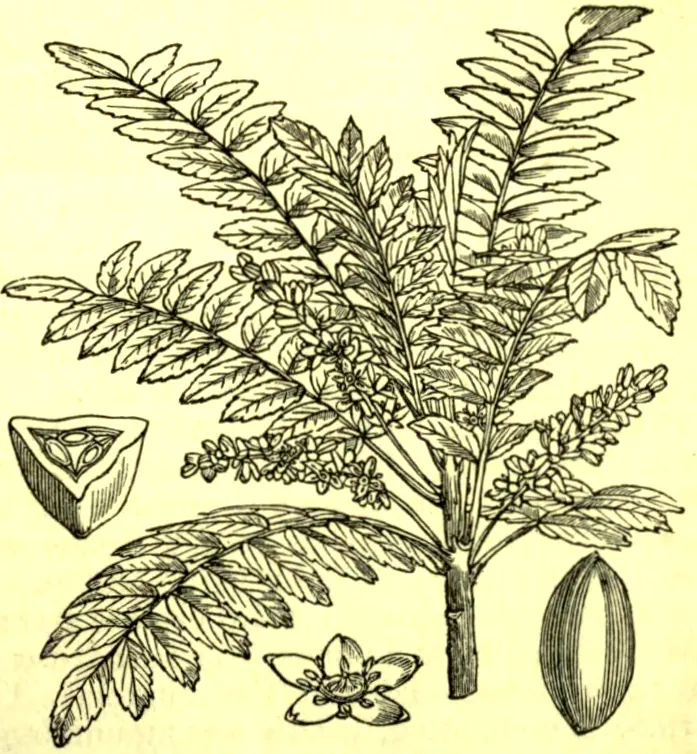
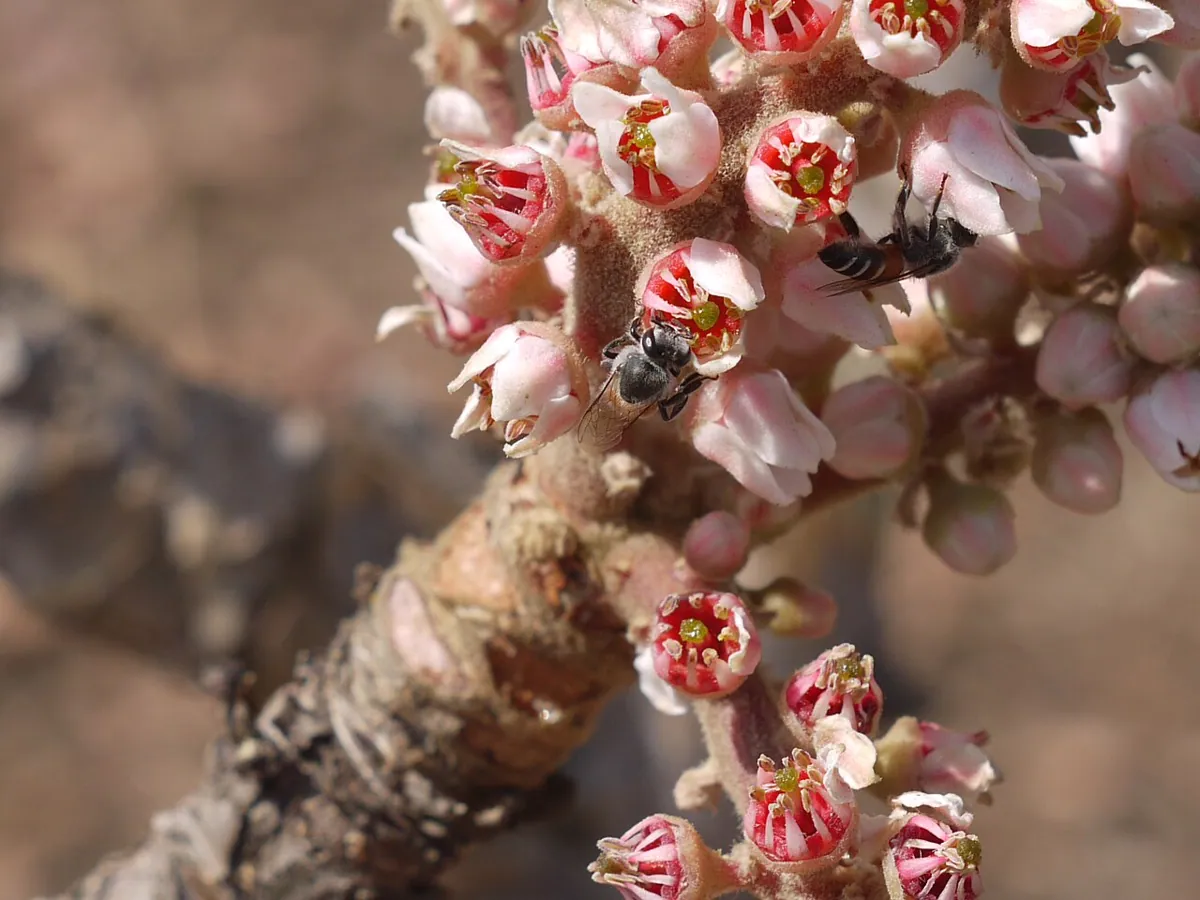
Shallaki (Indian frankincense) is a resin used in Ayurveda for joint pain and swelling, especially osteoarthritis, and for bowel inflammation.
About Shallaki
Shallaki is a medium-sized deciduous tree of the dry hills of central India, including Madhya Pradesh and Vidarbha. Its gum-resin, known in trade as salai guggul, is collected from cuts in the bark. The classical name Gajabhakshya ('elephant's food') refers to elephants eating its leaves.
In the classical texts
- Sushruta SamhitaShallaki bark and resin are used among astringent herbs for wounds and diarrhoea.
- Classical nighantusDescribe Shallaki as kashaya, tikta, shita and useful in raktapitta, diarrhoea, piles and wounds; the resin (kunduru) is described separately.
- Modern Ayurvedic practiceShallaki has become a standard herb for Sandhivata (osteoarthritis) along with Guggulu.
Synonyms (paryaya)
सुस्रवा,गजभक्ष्या,सलई,कुन्दुरू
susravā,gajabhakṣyā,salaī,kundurū
Classical indications
पित्त, श्लेष्म, अतिसारहर, रक्तपित्त, व्रणहर, पुष्टिकर, अर्शहर
pitta, śleṣma, atisārahara, raktapitta, vraṇahara, puṣṭikara, arśahara
Effect on the three doshas
How vaidyas use it in practice
- Shallaki tablets or extract with Guggulu formulas in knee and joint pain, under guidance.
- Along with Janu Basti and Kati Basti as part of a Panchakarma plan.
- In inflammatory bowel complaints as an add-on, only as the doctor decides.
- Shallaki resin in ointments for joint and muscle pain.
Simple home uses
- Not a home remedy; use standardised tablets as prescribed.
For minor complaints only. If a problem lasts more than a few days or is severe, see a doctor.
What science says
The resin contains boswellic acids, especially AKBA (acetyl-11-keto-beta-boswellic acid), which inhibit 5-lipoxygenase, an inflammation enzyme. Several randomised trials found reduced pain and better function in knee osteoarthritis. Small studies have looked at asthma and ulcerative colitis.
Safety and cautions
Usually well tolerated; it can cause stomach upset or acidity. People on blood thinners or anti-inflammatory medicines, and pregnant women, should consult their doctor first.
Who should not take it
- Pregnancy
- With blood thinners or anti-inflammatory medicines, without the doctor's advice
- Stomach ulcers
How to identify it, and common adulterants
The resin forms pale yellow tears with a turpentine-like smell. Standardised extracts state their boswellic acid content.
Growing it at home
A forest tree of dry hills; it grows slowly from cuttings in rocky, dry soil.
Questions people ask
Is Shallaki the same as Guggulu?
No. Both are resins, but Shallaki is Boswellia serrata and Guggulu is Commiphora wightii. They are often combined for joints.
How long before Shallaki helps joints?
Trials usually saw benefit after 4 to 8 weeks. The vaidya decides the course.
This page is general information from classical Ayurvedic texts and published research. It is not a prescription. Herbs act differently in different people; take any herb only after a qualified vaidya examines you, and do not stop prescribed medicines.