
Shalaparni
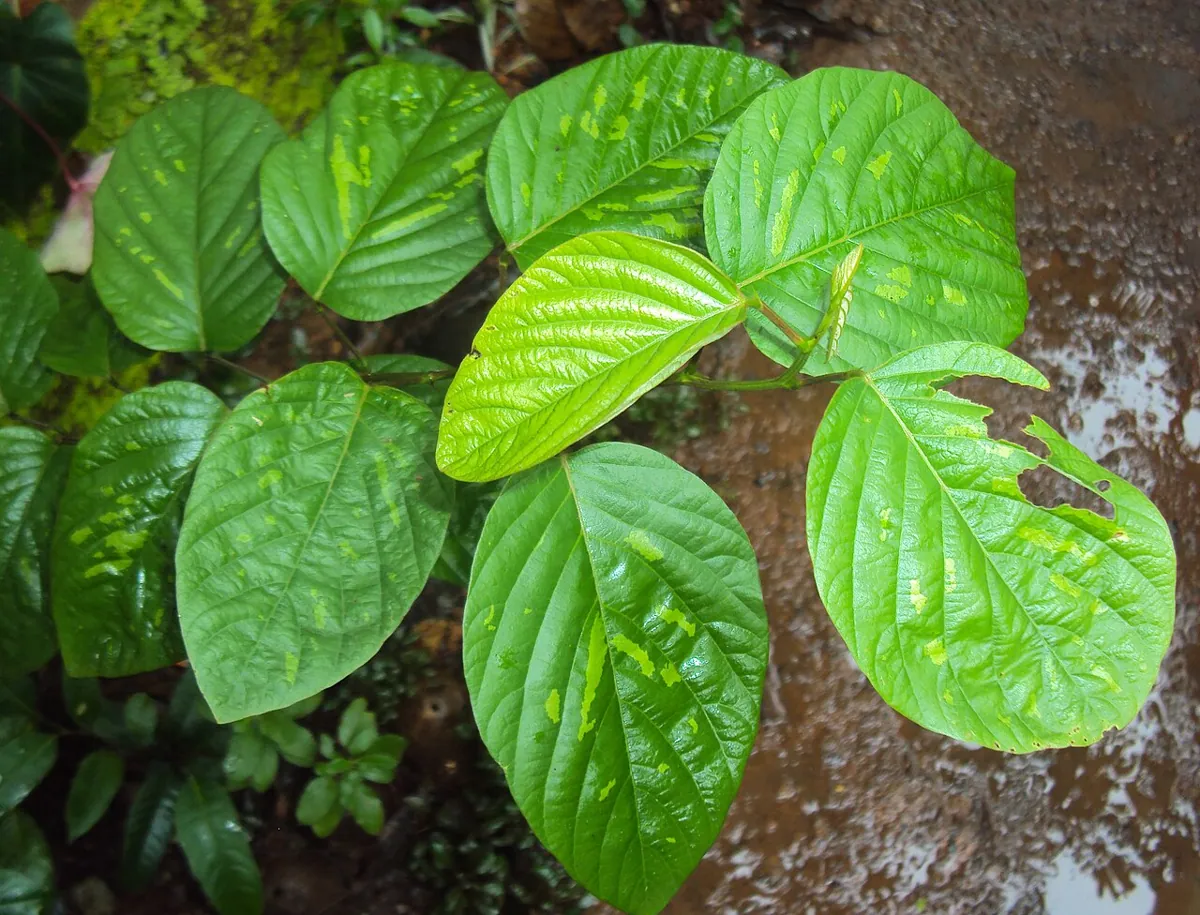
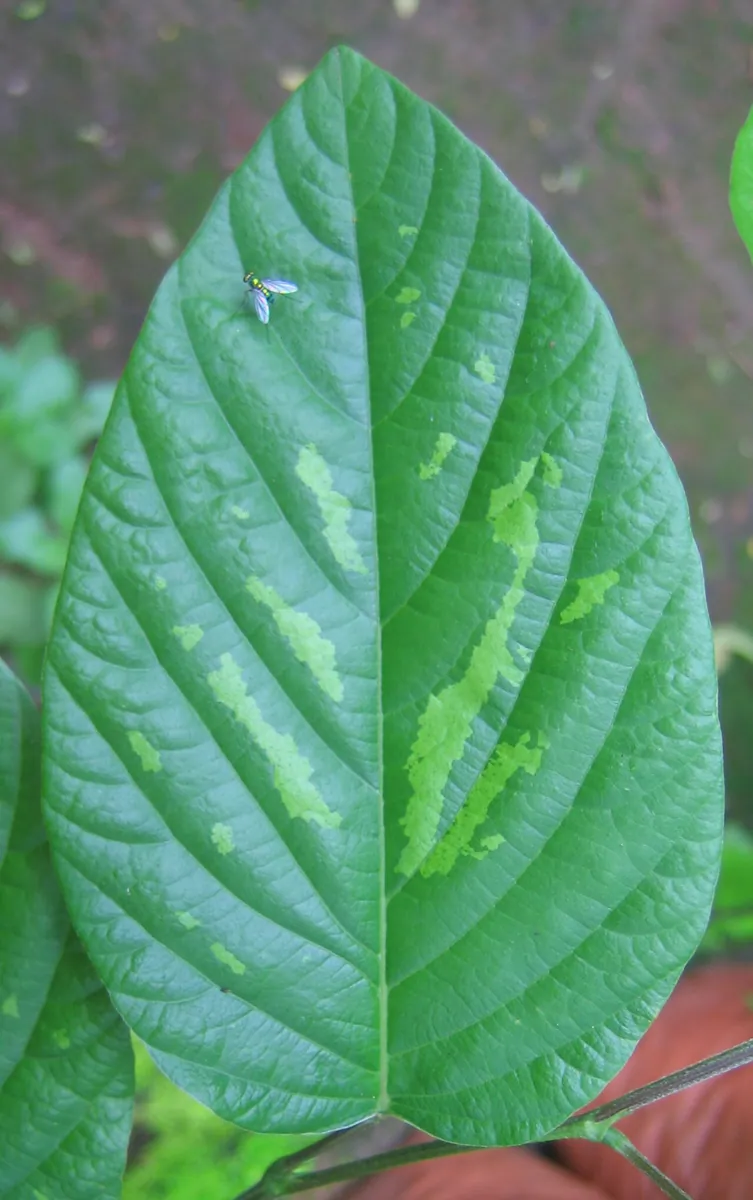
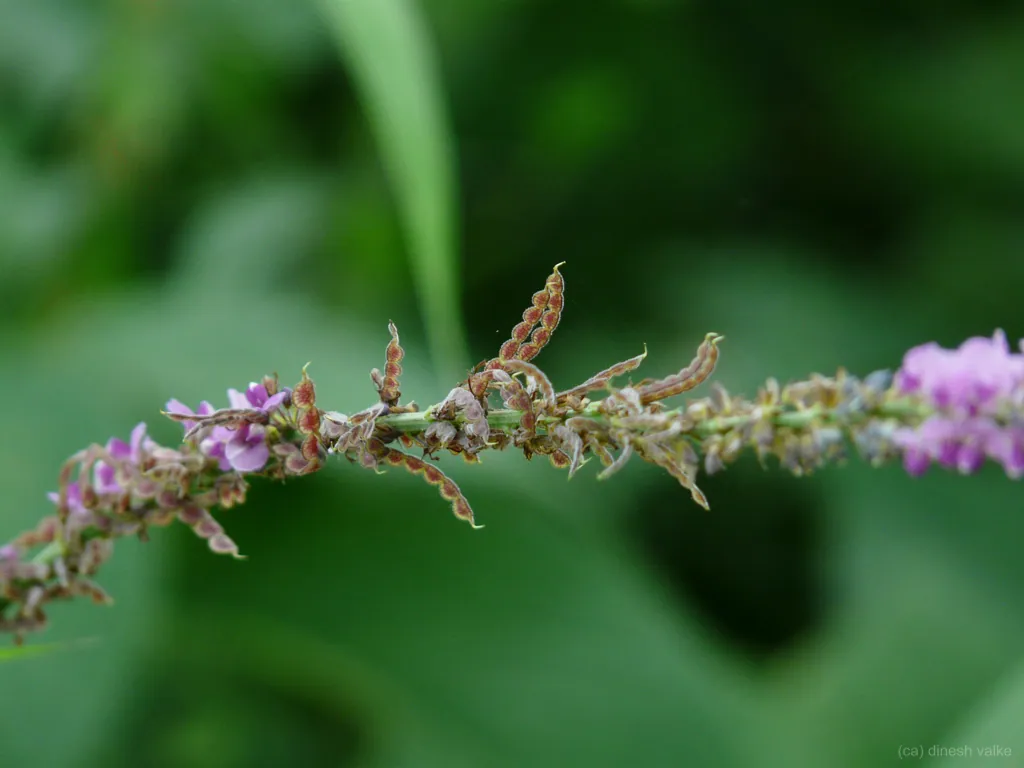
Shalaparni is a Dashamula herb used in Ayurveda for fever, cough, breathlessness, weakness and as a rasayana.
About Shalaparni
Shalaparni is a small shrub of the forests and hills of India; its root is one of the small roots of Dashamula and the first of Laghu Panchamula.
Shloka from Bhavaprakasha Nighantu
शालपर्णी गुरुश्छर्दिज्वरश्वासातिसारजित्। शोषदोषत्रयं हन्ति बृंहण्युक्ता रसायनी॥
śālaparṇī guruśchardijvaraśvāsātisārajit| śoṣadoṣatrayaṃ hanti bṛṃhaṇyuktā rasāyanī||
तिक्ता विषहरी स्वाद्वी क्षतकासक्रिमिप्रणुत्॥
tiktā viṣaharī svādvī kṣatakāsakrimipraṇut||
Meaning: Shalaparni is heavy and overcomes vomiting, fever, breathlessness and diarrhoea. It removes wasting and disorders of all three doshas, is nourishing and called a rasayana. It is bitter, removes poison, is sweet, and removes injury, cough and worms.
Bhavaprakasha Nighantu, Guduchyadi varga
In the classical texts
- Charaka Samhita (Sutrasthana 4)Included in the Snehopaga, Angamardaprashamana and Shvayathuhara groups; part of Laghu Panchamula.
- Charaka Samhita (Sutrasthana 25)Named the best among herbs that are tridosha-balancing and nourishing.
- Bhavaprakasha Nighantu (Guduchyadi varga)Described with the shloka above.
Synonyms (paryaya)
विदारीगन्धा,अंशुमती,सरिवन
vidārīgandhā,aṃśumatī,sarivana
Classical indications
वमन, ज्वर, श्वास, अतिसार, शोष, त्रिदोषनाशक, रसायन, विष, कृमिहर
vamana, jvara, śvāsa, atisāra, śoṣa, tridoṣanāśaka, rasāyana, viṣa, kṛmihara
Effect on the three doshas
How vaidyas use it in practice
- In Dashamula preparations.
- In fever and cough formulas.
- In weakness and recovery.
Simple home uses
- Not usually a home remedy.
For minor complaints only. If a problem lasts more than a few days or is severe, see a doctor.
Well-known formulations
शालपर्ण्यादि क्वाथ, दशमूलारिष्ट
śālaparṇyādi kvātha, daśamūlāriṣṭa
What science says
Contains pterocarpans (gangetin) and alkaloids; studies show anti-inflammatory and pain-relieving effects.
Safety and cautions
Generally safe.
Who should not take it
- Pregnancy (without advice)
How to identify it, and common adulterants
Three-parted leaves; pharmacy should confirm Desmodium gangeticum root.
Growing it at home
Forest undershrub.
Questions people ask
Why is Shalaparni important?
Charaka names it the best tridosha-balancing nourishing herb.
This page is general information from classical Ayurvedic texts and published research. It is not a prescription. Herbs act differently in different people; take any herb only after a qualified vaidya examines you, and do not stop prescribed medicines.