
Sariva
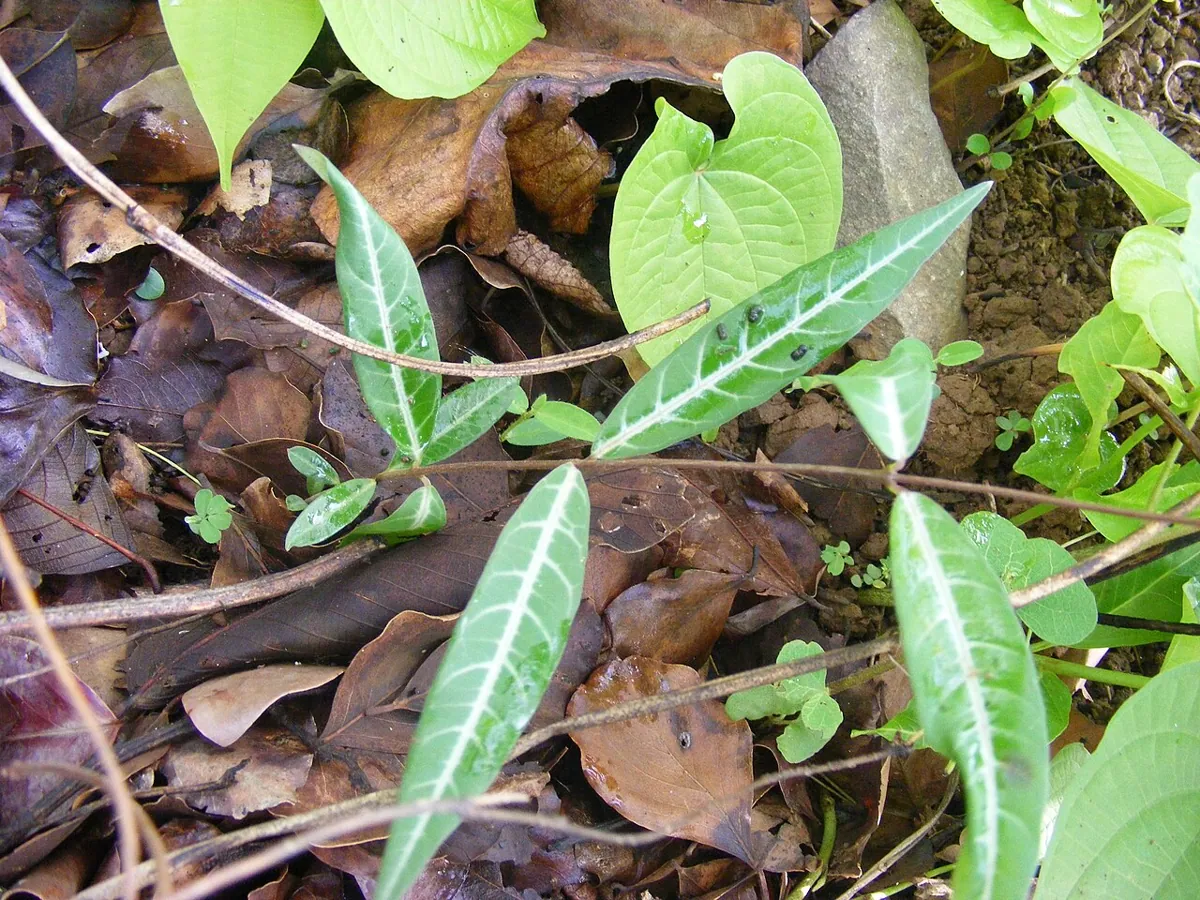
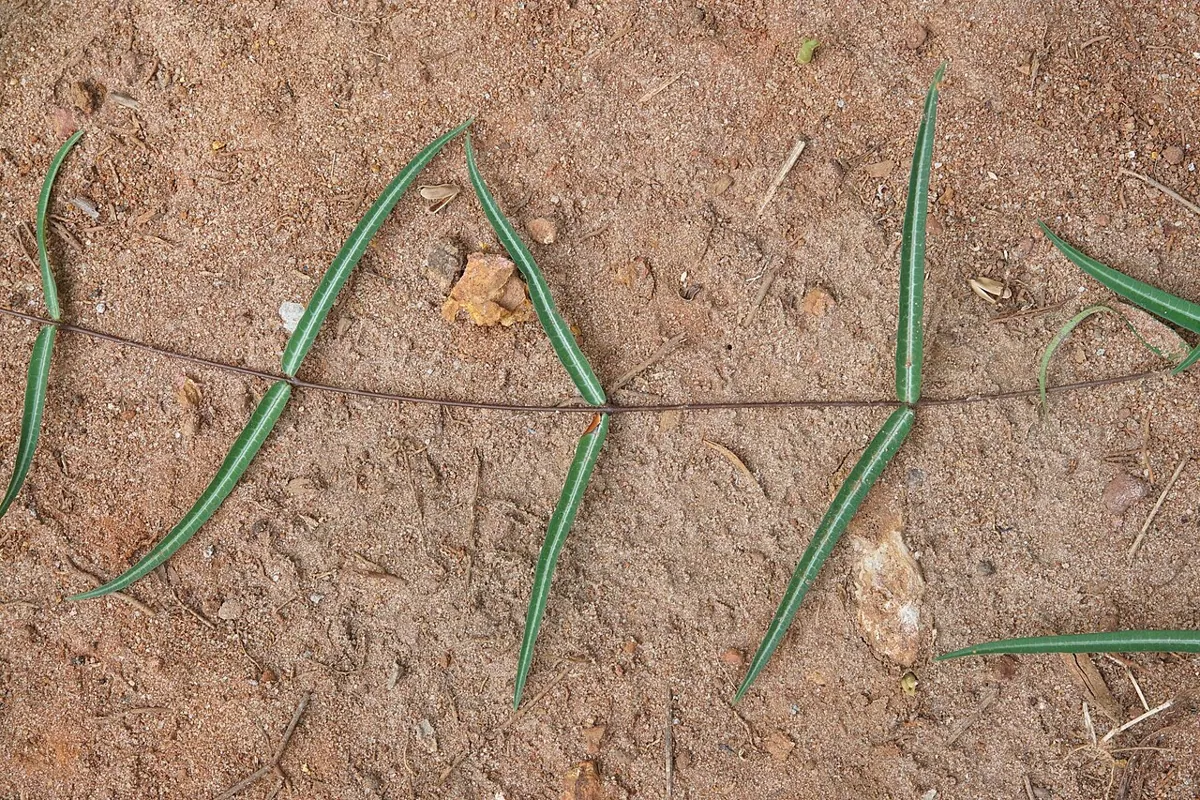
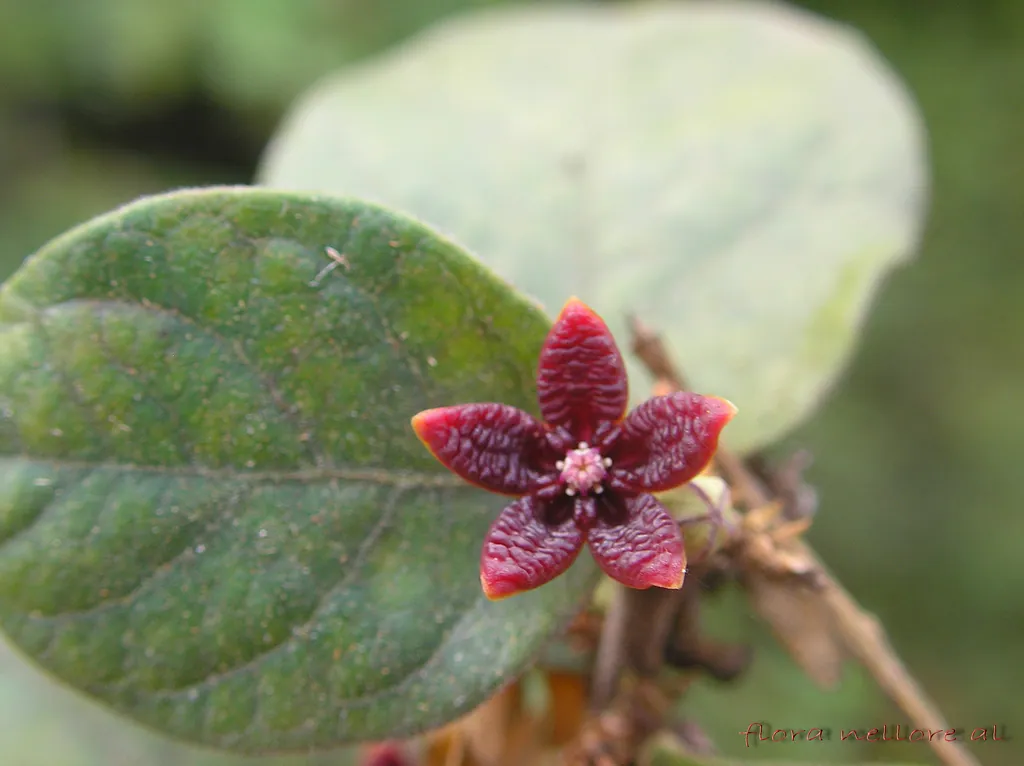
Sariva (anantmool, Indian sarsaparilla) is a cooling, blood-purifying root used in Ayurveda for skin, burning urination, fever and as a summer drink.
About Sariva
Sariva is a slender twining plant with a fragrant, vanilla-scented root, common in hedges and scrub across India. The white type (Shveta Sariva, Hemidesmus) and black type (Krishna Sariva) are both used.
Shloka from Bhavaprakasha Nighantu
सारिवायुगलं स्वादु स्निग्धं शुक्रकरं गुरु। अग्निमान्द्यारुचिश्वासकासामविषनाशनम्॥
sārivāyugalaṃ svādu snigdhaṃ śukrakaraṃ guru| agnimāndyāruciśvāsakāsāmaviṣanāśanam||
दोषत्रयास्रप्रदरज्वरातीसारनाशनम्॥
doṣatrayāsrapradarajvarātīsāranāśanam||
Meaning: Both Sarivas are sweet, unctuous, increase shukra and are heavy. They remove weak digestion, loss of taste, breathlessness, cough, ama and poison, and destroy disorders of all three doshas, blood disorders, leucorrhoea, fever and diarrhoea.
Bhavaprakasha Nighantu, Guduchyadi varga
In the classical texts
- Charaka Samhita (Sutrasthana 4)Included in the Jvaraghna, Dahaprashamana, Varnya and Stanyashodhana groups.
- Bhavaprakasha Nighantu (Guduchyadi varga)Describes both types with the shloka above.
- Classical formulasSarivadyasava for skin, blood and urinary disorders.
Synonyms (paryaya)
उत्पलसारिवा,गोपवल्ली,अनन्तमूल,कपूरी
utpalasārivā,gopavallī,anantamūla,kapūrī
Classical indications
शुक्रकर, अग्निमांद्य, अरुचि, श्वास, कास, आम, विषनाशन, त्रिदोषहर, रक्तप्रदरहर
śukrakara, agnimāṃdya, aruci, śvāsa, kāsa, āma, viṣanāśana, tridoṣahara, raktapradarahara
Effect on the three doshas
How vaidyas use it in practice
- Sarivadyasava for skin disease and boils.
- Sariva cold infusion for burning urination and summer heat.
- In fever formulas with Guduchi and Musta.
- In Rakta-shodhana with Manjishtha.
Simple home uses
- Nannari sherbet (Sariva root syrup), a traditional South Indian summer drink, in moderation.
For minor complaints only. If a problem lasts more than a few days or is severe, see a doctor.
Well-known formulations
सारिवादि-क्वाथ-वटी-अवलेह-आसव
sārivādi-kvātha-vaṭī-avaleha-āsava
What science says
The root contains 2-hydroxy-4-methoxybenzaldehyde (the vanilla-like aroma), coumarins and triterpenes. Laboratory studies show anti-inflammatory and antioxidant effects.
Safety and cautions
Generally safe. Avoid concentrated preparations in pregnancy unless prescribed.
Who should not take it
- Pregnancy (concentrated preparations)
How to identify it, and common adulterants
The root is long, twisted, dark brown outside with cracks, and has a distinct vanilla smell. Cryptolepis (Krishna Sariva) roots are darker.
Growing it at home
A wild twiner; it can be grown from root pieces along a fence.
Questions people ask
Is nannari the same as Sariva?
Yes, nannari is the South Indian name for Hemidesmus, used as a cooling summer drink.
Is it good for skin?
It is one of the main blood-purifying herbs used for skin in Ayurveda.
This page is general information from classical Ayurvedic texts and published research. It is not a prescription. Herbs act differently in different people; take any herb only after a qualified vaidya examines you, and do not stop prescribed medicines.