
Saptaparna
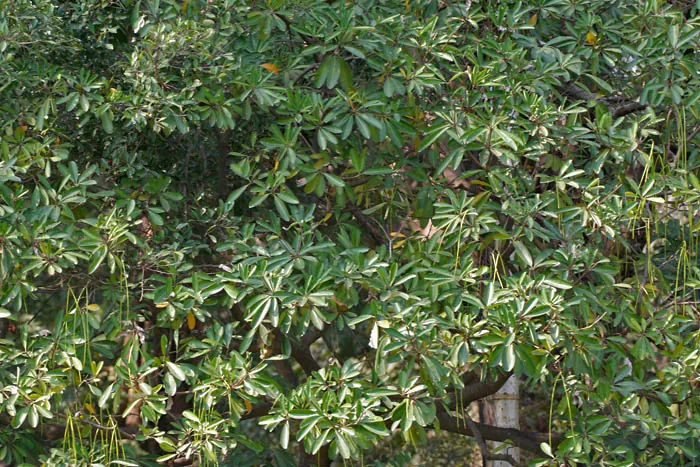
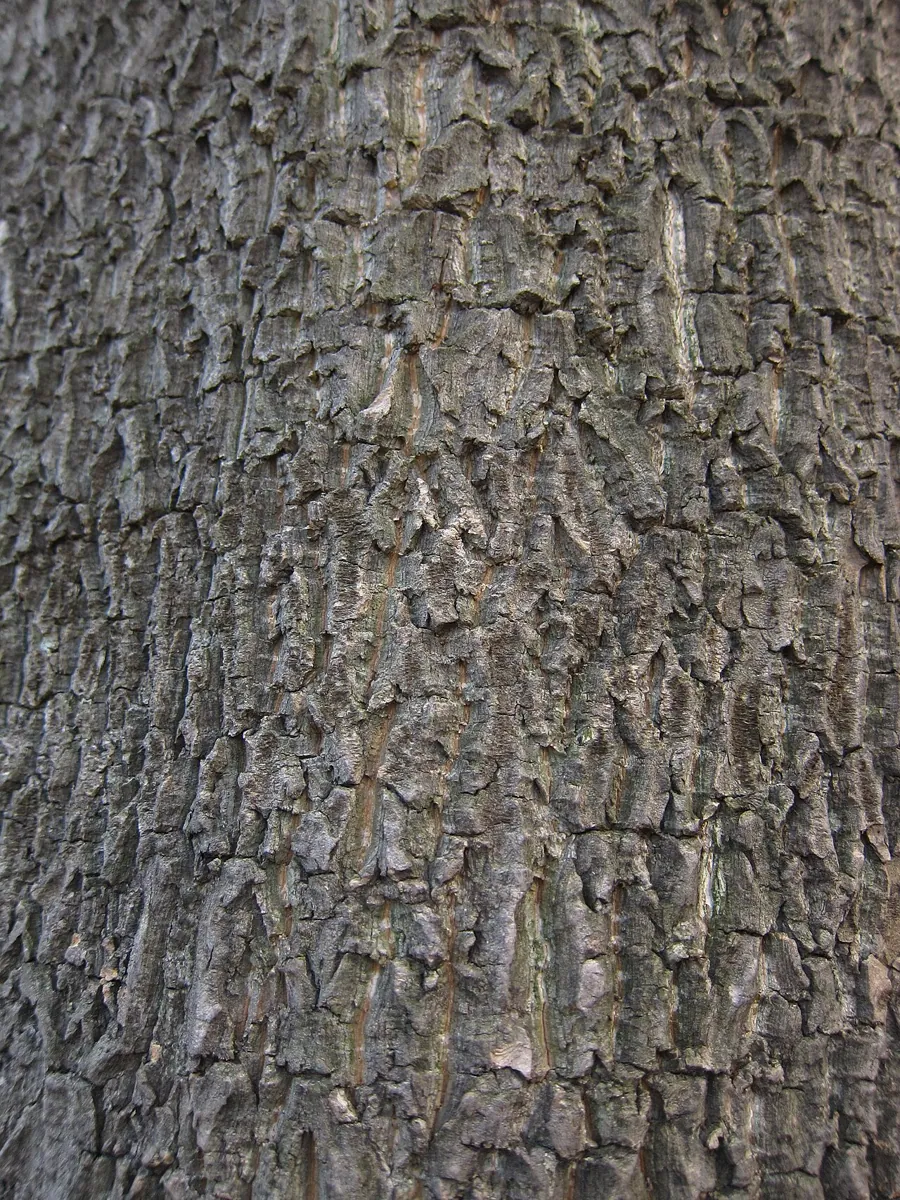
Saptaparna (devil's tree) is a bitter bark used in Ayurveda for fever, skin disease, chronic diarrhoea and worms.
About Saptaparna
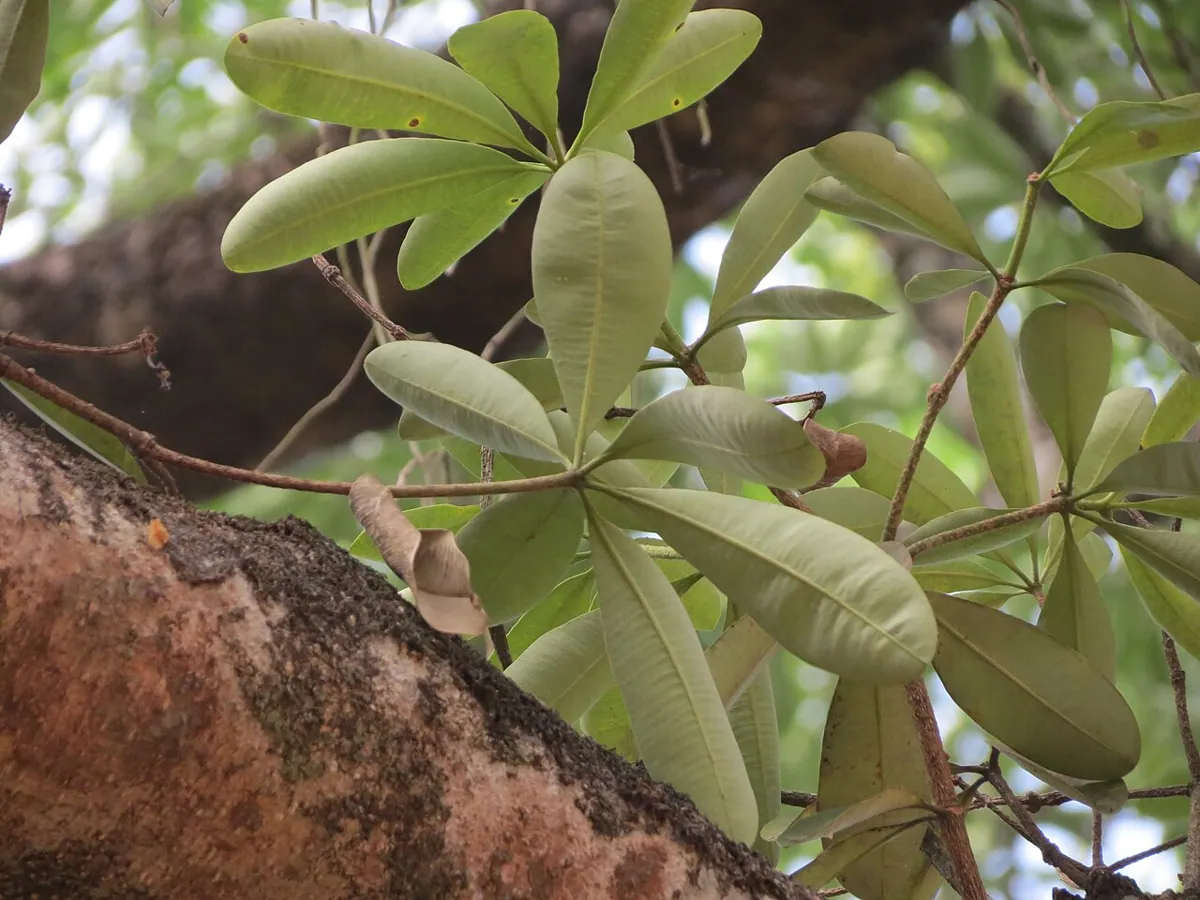
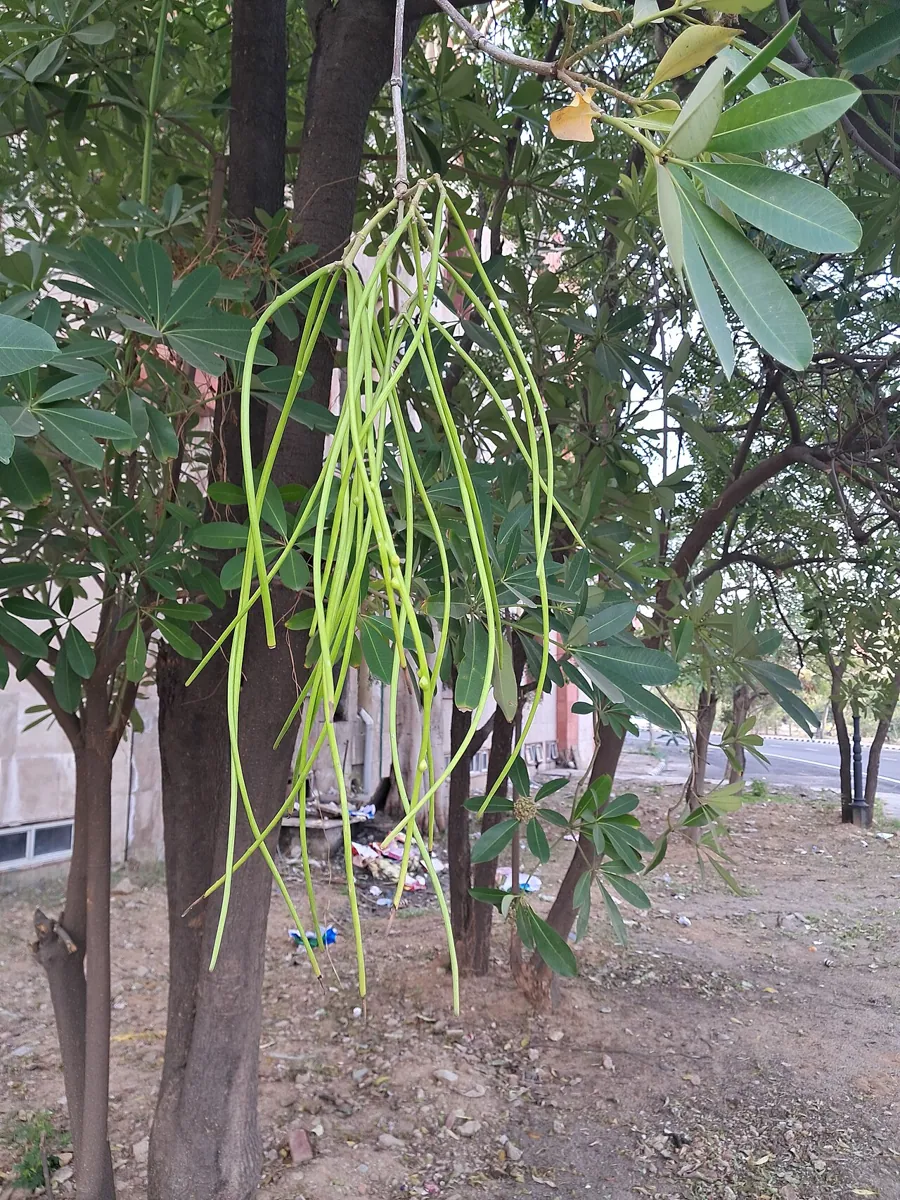
Saptaparna is a tall evergreen with leaves in whorls of seven, planted widely in Indian cities, with strongly scented flowers in October.
Shloka from Bhavaprakasha Nighantu
सप्तपर्णो व्रणश्लेष्मवातकुष्ठास्रजन्तुजित्। दीपनः श्वासगुल्मघ्नः स्निग्धोष्णस्तुवरः सरः॥
saptaparṇo vraṇaśleṣmavātakuṣṭhāsrajantujit| dīpanaḥ śvāsagulmaghnaḥ snigdhoṣṇastuvaraḥ saraḥ||
Meaning: Saptaparna overcomes wounds, Kapha, Vata, skin disease, blood disorders and worms. It kindles digestion, removes breathlessness and gulma, and is unctuous, hot, astringent and laxative.
Bhavaprakasha Nighantu
In the classical texts
- Charaka Samhita (Sutrasthana 4)Included in the Kushthaghna and Udardaprashamana groups.
- Bhavaprakasha NighantuDescribed with the shloka above.
Synonyms (paryaya)
विशालत्वक,शारद,विषम्च्छद,छितवन
viśālatvaka,śārada,viṣamcchada,chitavana
Classical indications
व्रण, वातकफहर, कुष्ठ, जन्तुघ्न, दीपन, गुल्महर, श्वास, विषमज्वरहर
vraṇa, vātakaphahara, kuṣṭha, jantughna, dīpana, gulmahara, śvāsa, viṣamajvarahara
Effect on the three doshas
How vaidyas use it in practice
- In fever and skin formulas.
- Bark in chronic diarrhoea, as advised.
Simple home uses
- Not usually a home remedy.
For minor complaints only. If a problem lasts more than a few days or is severe, see a doctor.
Well-known formulations
सप्तच्छ्दादि-क्वाथ-वटी-तैल
saptacchdādi-kvātha-vaṭī-taila
What science says
Contains indole alkaloids (echitamine); antimalarial and anti-inflammatory effects studied.
Safety and cautions
Bitter alkaloids; use as prescribed.
Who should not take it
- Pregnancy
How to identify it, and common adulterants
Leaves in whorls of 5–7; milky latex.
Growing it at home
Fast-growing city tree; strong flower smell bothers some people.
Questions people ask
Is the city 'Saptaparni' tree medicinal?
Yes, its bark is the classical drug.
This page is general information from classical Ayurvedic texts and published research. It is not a prescription. Herbs act differently in different people; take any herb only after a qualified vaidya examines you, and do not stop prescribed medicines.