
Punarnava
Punarnava ('that which renews') is a cooling-to-warm diuretic herb used in Ayurveda for swelling, kidney and liver support, and as a rasayana.
About Punarnava
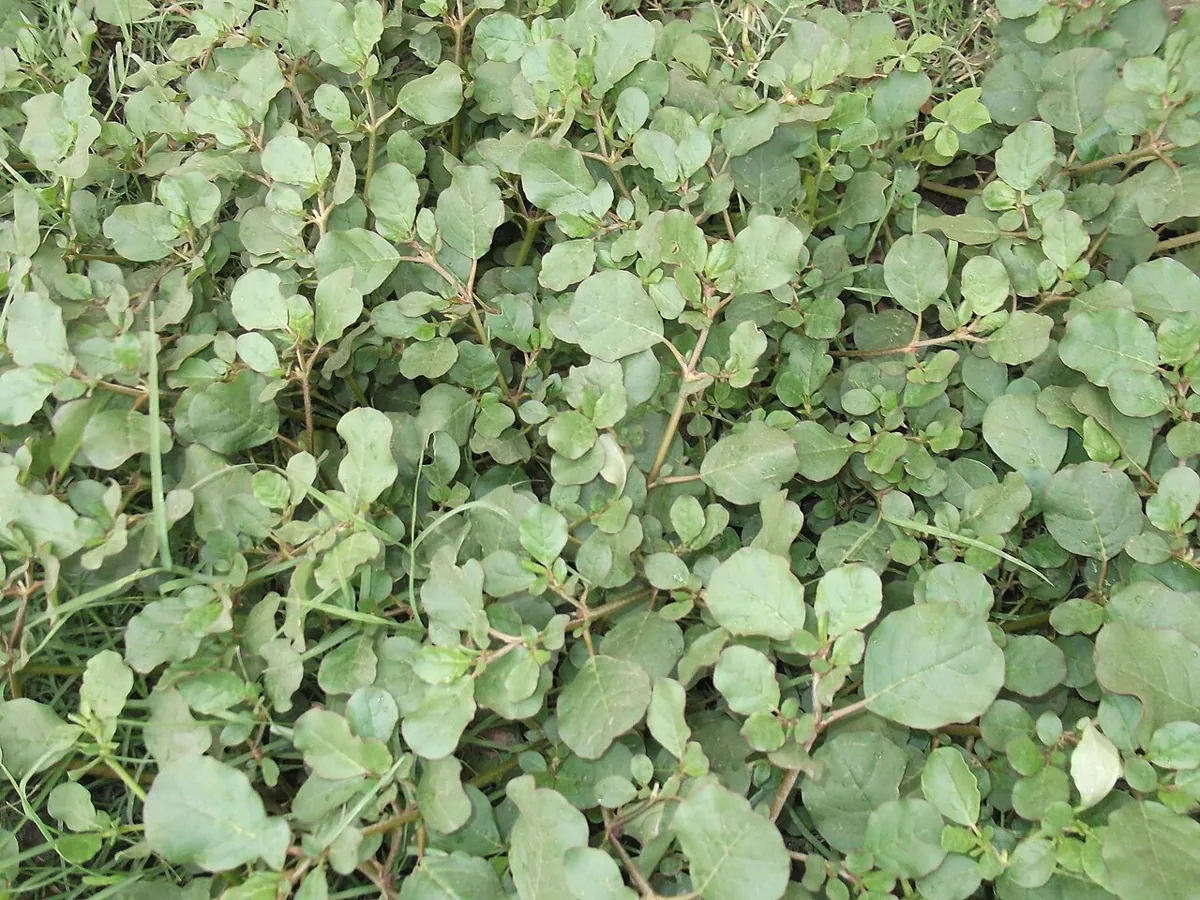
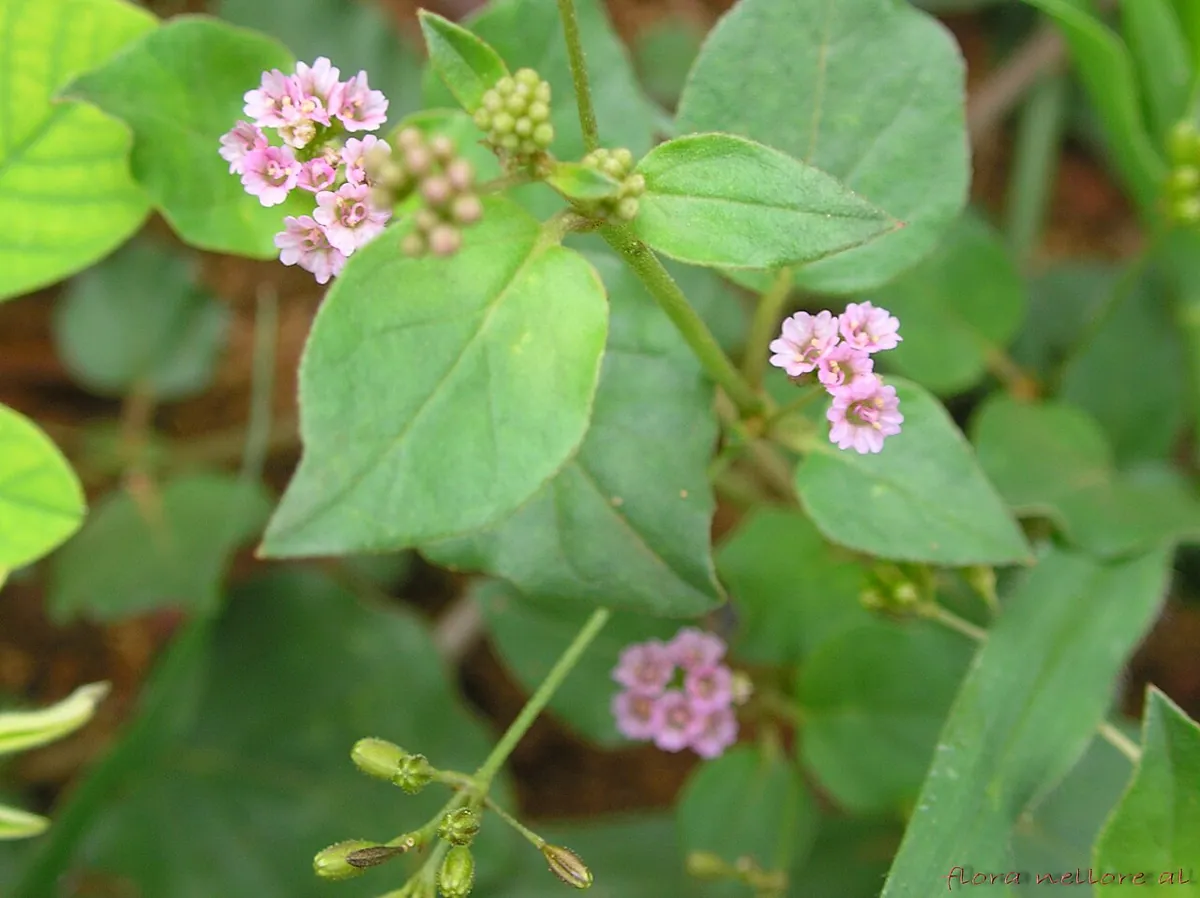
Punarnava is a creeping herb with pink flowers that comes up in every monsoon on roadsides and waste ground across India and dries in summer, only to sprout again: hence its name. The root and whole plant are used. Texts describe a red (rakta) and a white (shveta) type.
Shloka from Bhavaprakasha Nighantu
पुनर्नवारुणा तिक्ता कटुपाका हिमा लघुः। वातला ग्राहिणी श्लेष्मपित्तरक्तविनाशिनी॥
punarnavāruṇā tiktā kaṭupākā himā laghuḥ| vātalā grāhiṇī śleṣmapittaraktavināśinī||
Meaning: Red Punarnava is bitter, pungent after digestion, cold and light; it can increase Vata, binds the stool, and destroys Kapha, Pitta and blood disorders. (The white type is described as warmer and more useful for swelling.)
Bhavaprakasha Nighantu, Guduchyadi varga
In the classical texts
- Charaka Samhita (Sutrasthana 4)Included in the Vayahsthapana, Kasaghna and Svedopaga mahakashayas.
- Bhavaprakasha Nighantu (Guduchyadi varga)Describes the red and white types separately, the white one for swelling (shotha), anaemia and heart disease.
- Chakradatta and SharangadharaPunarnavadi kwatha, Punarnava mandura and Punarnavashtaka appear for swelling, anaemia and abdominal disease.
Synonyms (paryaya)
पुनर्नवा,शोथघ्नी,वर्षाभू,गदहपुरना
punarnavā,śothaghnī,varṣābhū,gadahapuranā
Classical indications
संग्राही, रक्तवर्धक, उदररोग, विष, अग्निदीपक, ब्रघ्न, शोथ, पाण्डुहर
saṃgrāhī, raktavardhaka, udararoga, viṣa, agnidīpaka, braghna, śotha, pāṇḍuhara
Effect on the three doshas
How vaidyas use it in practice
- Punarnavadi kwatha or Punarnavashtaka kwatha for swelling of the feet and face, as part of the vaidya's treatment.
- Punarnava mandura in anaemia with swelling.
- Leaves cooked as a vegetable in the monsoon, a traditional food-medicine in Maharashtra.
- In kidney and urinary complaints, alongside Gokshura and Varuna, under supervision.
- As a rasayana in old age for heart and kidney support, as the vaidya decides.
Simple home uses
- Young Punarnava leaves cooked as a vegetable in the monsoon.
- Punarnava water (decoction) for mild ankle swelling after long standing, only after a doctor has ruled out heart and kidney disease.
For minor complaints only. If a problem lasts more than a few days or is severe, see a doctor.
Well-known formulations
पुनर्नवा-ष्टक-आसव-दिमण्डूर
punarnavā-ṣṭaka-āsava-dimaṇḍūra
What science says
Punarnava contains rotenoids (boeravinones), punarnavine and flavonoids. Laboratory studies show diuretic, liver-protective and anti-inflammatory effects. Human studies are small.
Safety and cautions
Swelling can be a sign of serious heart, kidney or liver disease: get it examined first and do not replace prescribed treatment. People on diuretics or with very low blood pressure should take it only with their doctor's advice. Avoid in pregnancy unless prescribed.
Who should not take it
- Swelling that has not been examined by a doctor
- On diuretics or with low blood pressure
- Pregnancy
How to identify it, and common adulterants
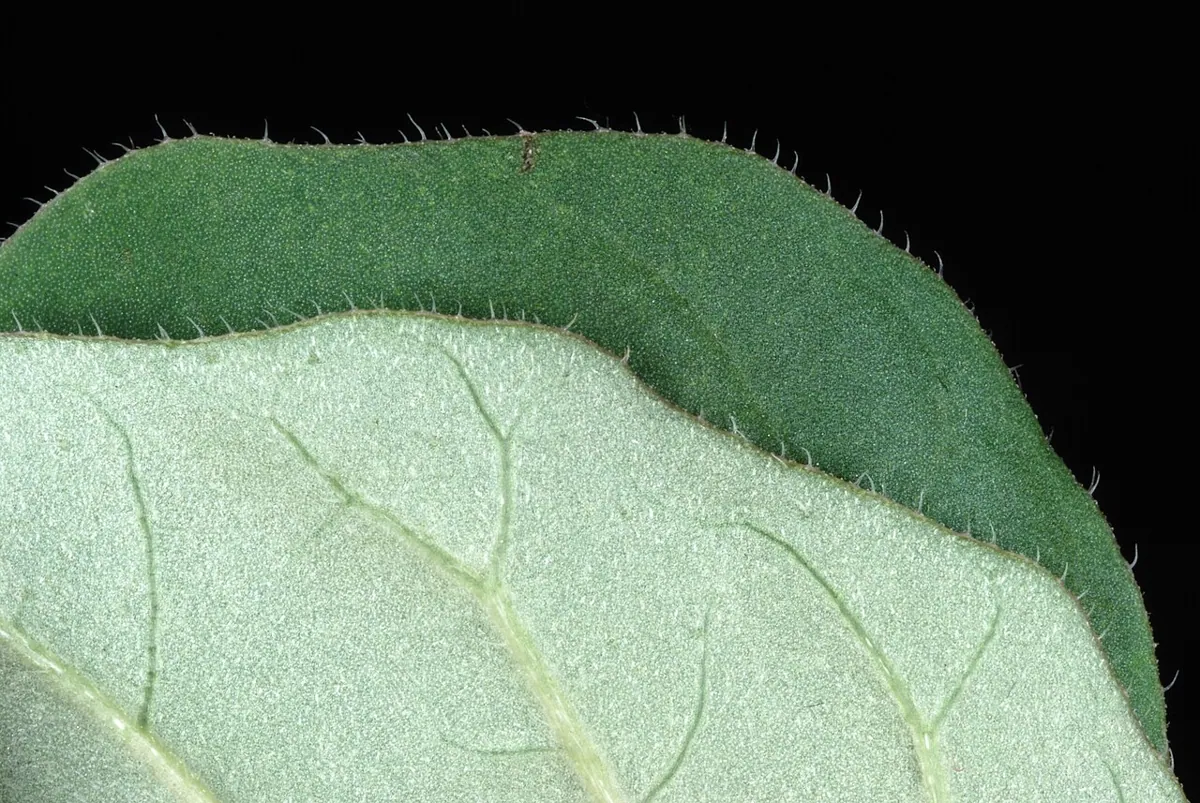
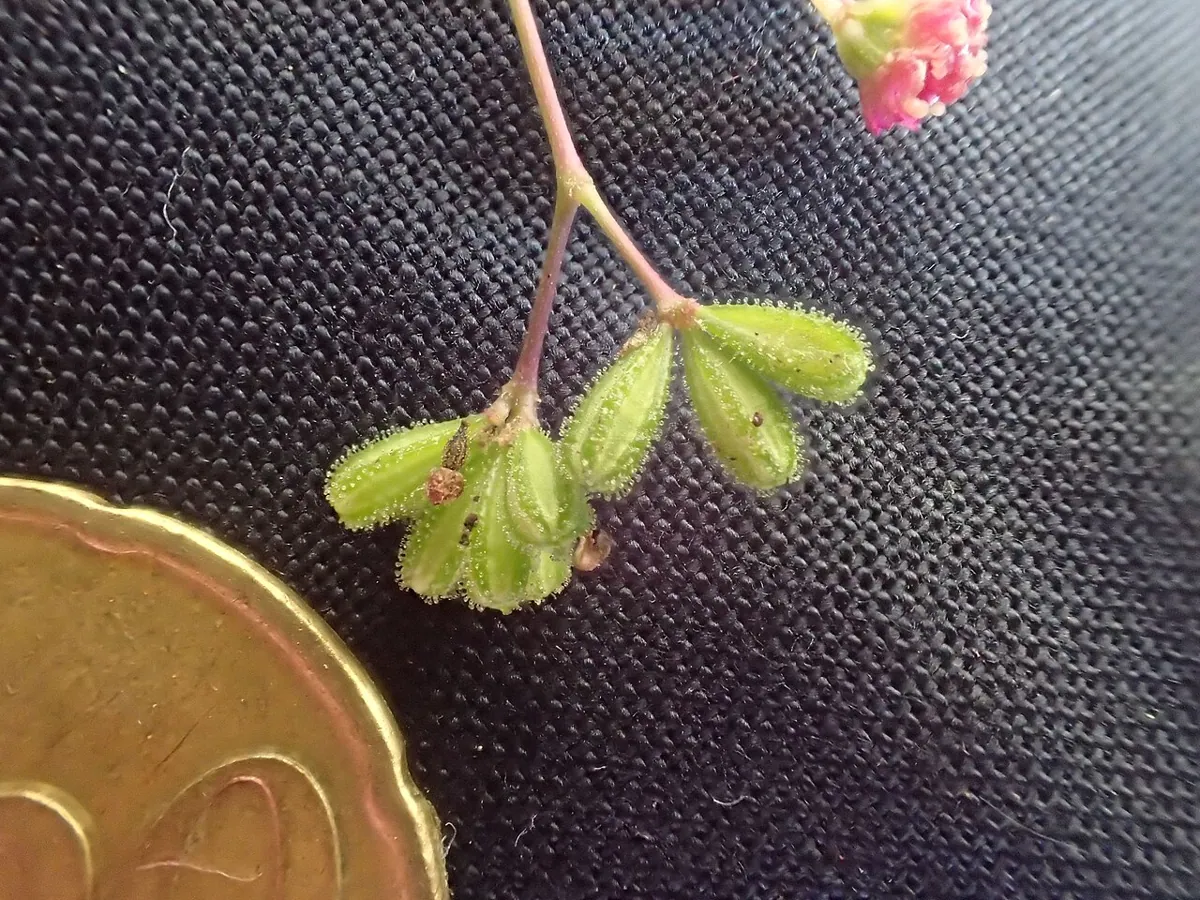
Boerhavia diffusa is a spreading herb with pinkish stems, round leaves pale underneath and tiny pink flowers. Trianthema portulacastrum is sometimes sold as Punarnava and is a different plant.
Growing it at home
Comes up by itself in the monsoon in open ground; it can be sown from seed and needs no care.
Questions people ask
Is Punarnava good for kidney patients?
It is used in kidney care by vaidyas, but only alongside the nephrologist's treatment and tests, never as a replacement.
Can Punarnava leaves be eaten?
Yes, the young leaves are a monsoon vegetable in many parts of India.
This page is general information from classical Ayurvedic texts and published research. It is not a prescription. Herbs act differently in different people; take any herb only after a qualified vaidya examines you, and do not stop prescribed medicines.