
Puga
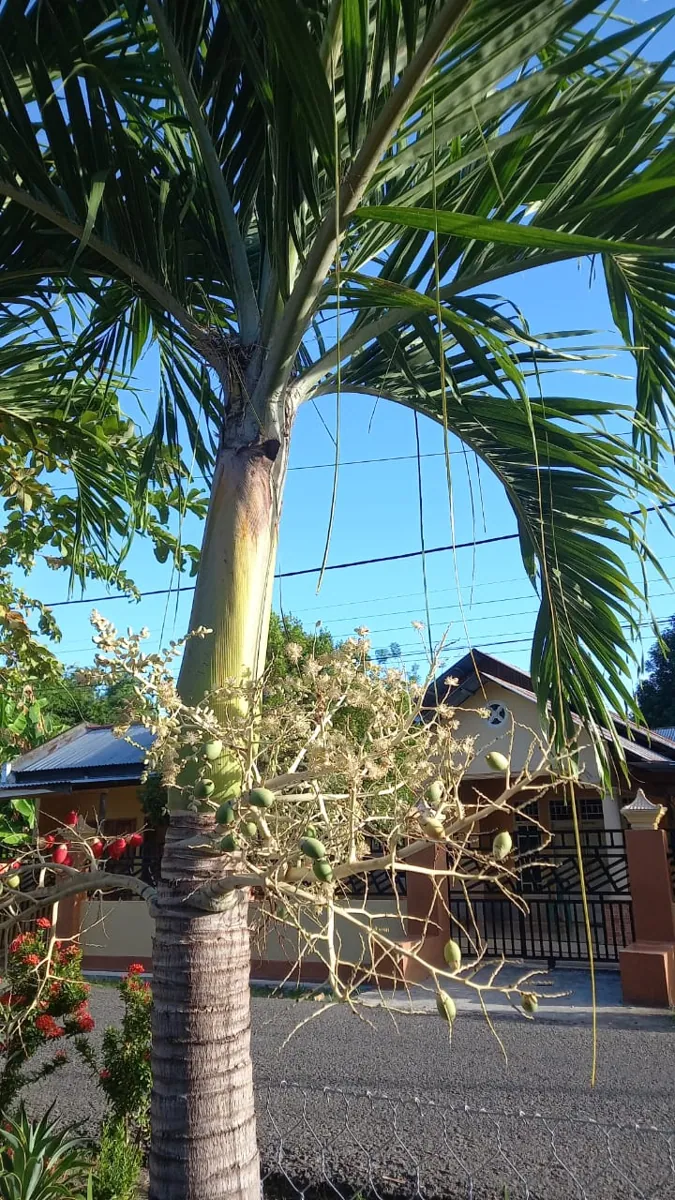
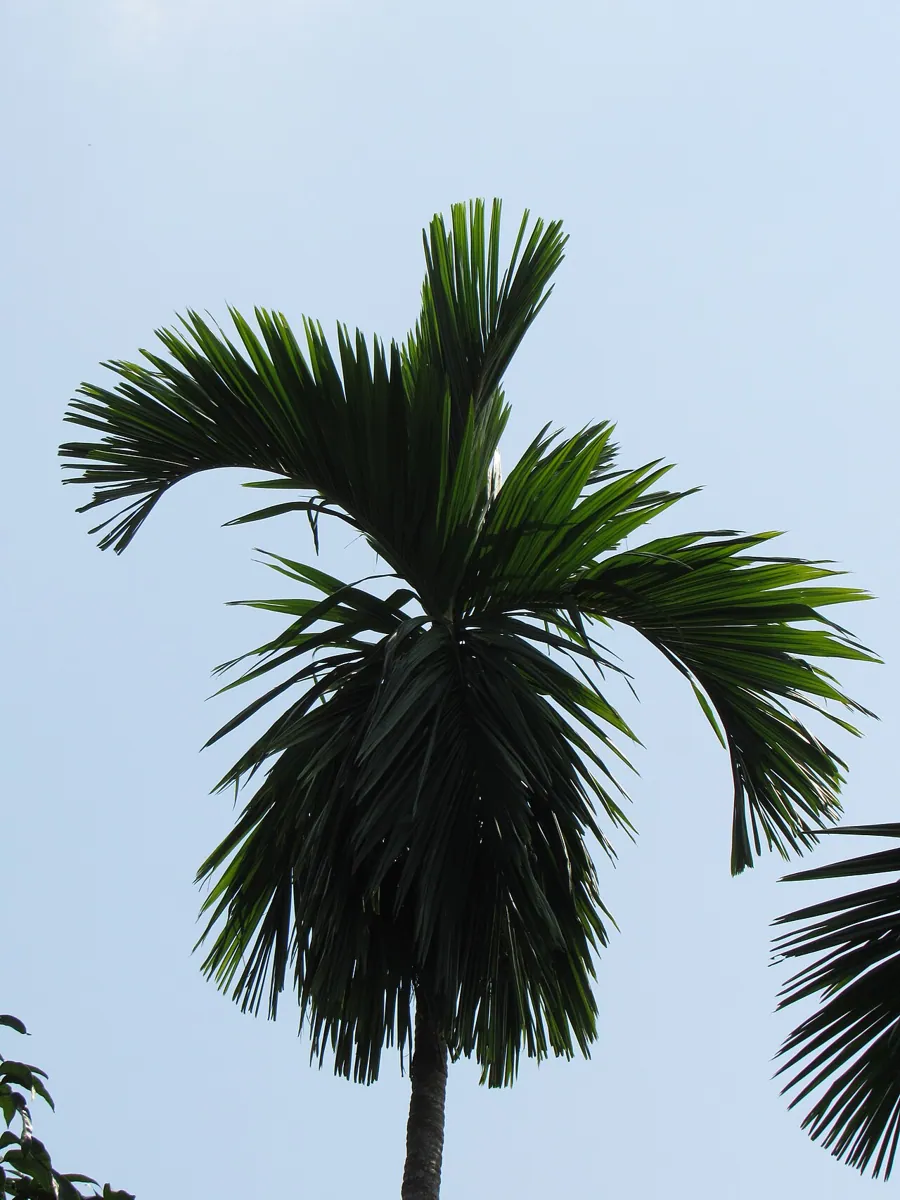
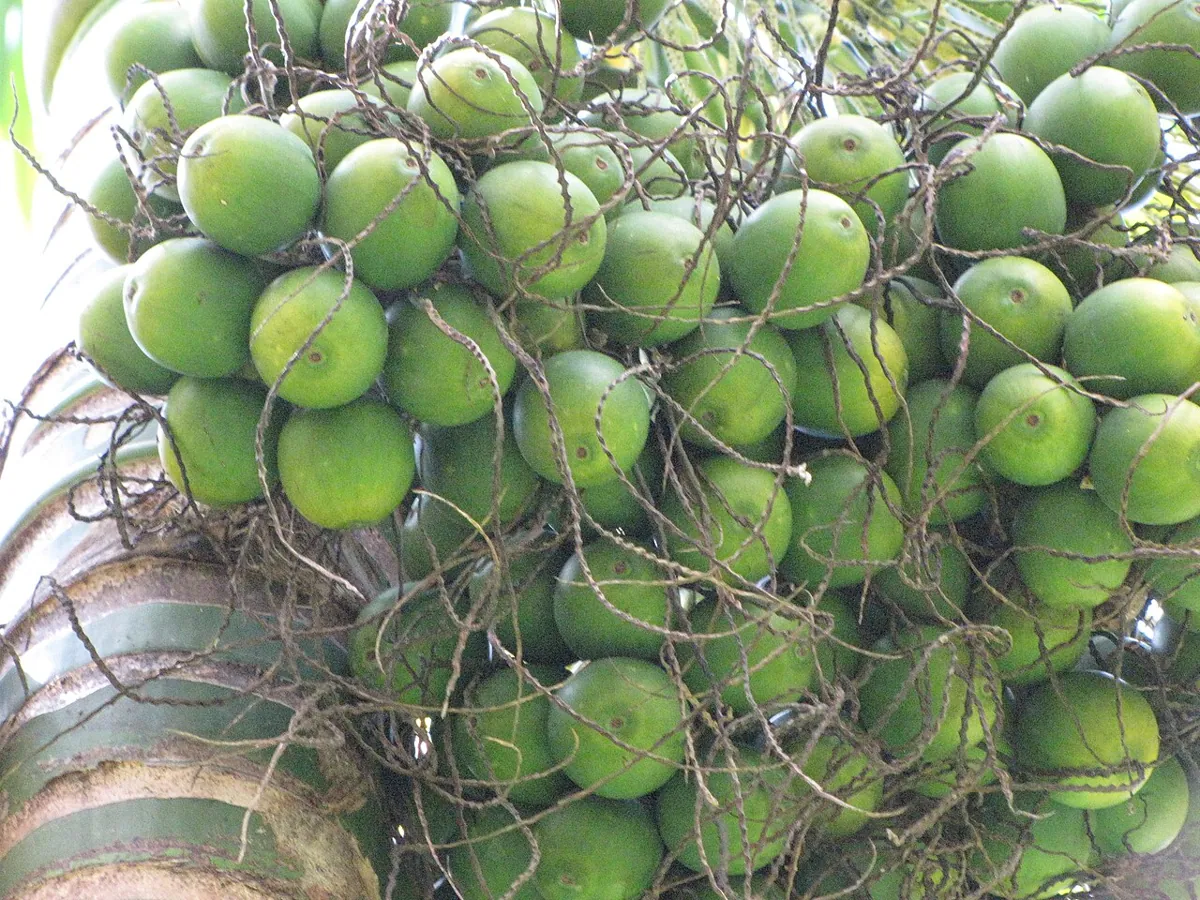
Puga (areca nut, supari) is described in Ayurveda as digestive in tiny amounts; regular chewing causes oral cancer and addiction.
About Puga
Supari is widely chewed with paan. Modern evidence shows it is a cancer-causing substance.
Shloka from Bhavaprakasha Nighantu
पूगं गुरु हिमं रूक्षं कषायं कफपित्तजित्। मोहनं दीपनं रुच्यमास्यवैरस्यनाशनम्॥
pūgaṃ guru himaṃ rūkṣaṃ kaṣāyaṃ kaphapittajit| mohanaṃ dīpanaṃ rucyamāsyavairasyanāśanam||
Meaning: Puga is heavy, cold, dry and astringent, and removes Kapha and Pitta. It is intoxicating, kindles digestion, improves taste and removes bad taste in the mouth.
Bhavaprakasha Nighantu, Amradi phala varga
In the classical texts
- Bhavaprakasha NighantuDescribed with the shloka above; note 'mohana' (intoxicating).
Synonyms (paryaya)
क्रमुक,गुवाक,सुपारी
kramuka,guvāka,supārī
Effect on the three doshas
How vaidyas use it in practice
- Used only in a few classical formulas in tiny amounts.
Simple home uses
- Avoid habitual supari, gutka and paan masala.
For minor complaints only. If a problem lasts more than a few days or is severe, see a doctor.
Well-known formulations
सुपारीपाक, पूगखण्ड
supārīpāka, pūgakhaṇḍa
What science says
Arecoline is addictive; WHO classifies areca nut as a Group 1 carcinogen causing oral cancer and submucous fibrosis.
Safety and cautions
Do not chew regularly.
Who should not take it
- Habitual chewing
- Pregnancy
- Children
How to identify it, and common adulterants
Hard brown mottled nut.
Growing it at home
Coastal palm.
Questions people ask
Is supari harmful?
Yes, regular use causes mouth cancer.
This page is general information from classical Ayurvedic texts and published research. It is not a prescription. Herbs act differently in different people; take any herb only after a qualified vaidya examines you, and do not stop prescribed medicines.