
Plaksha
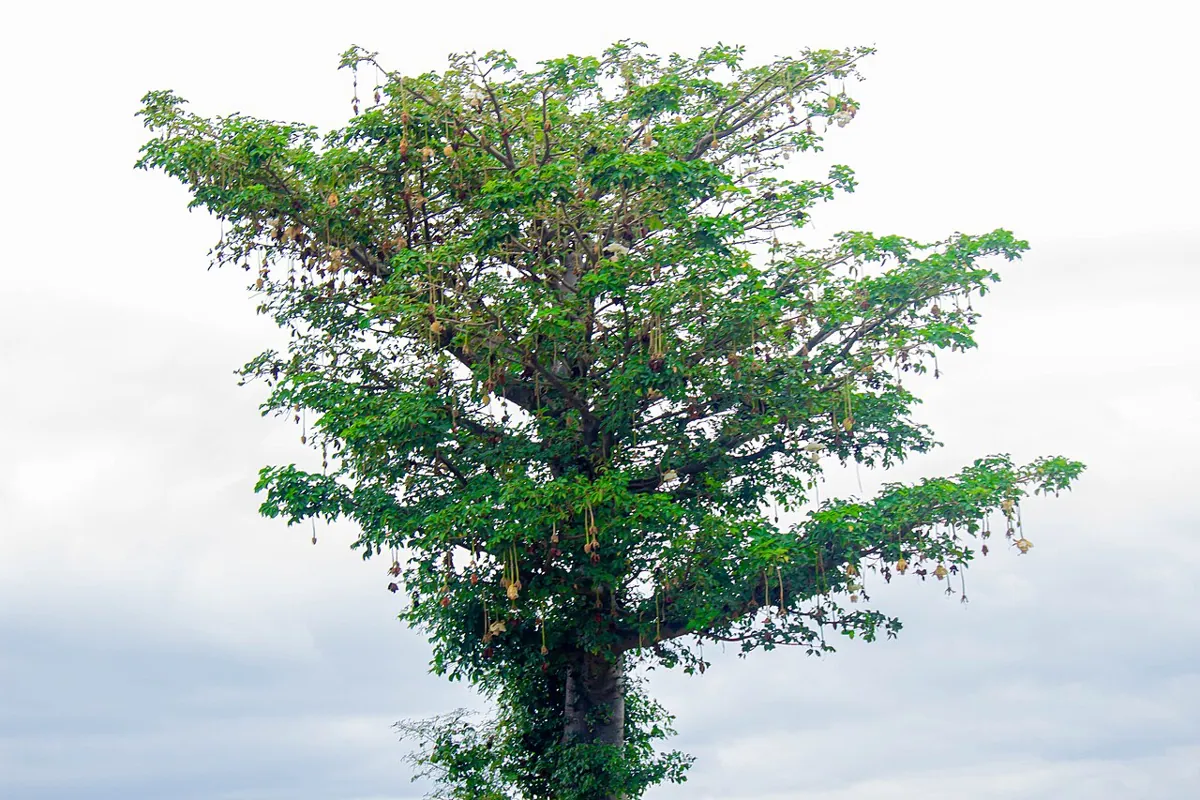
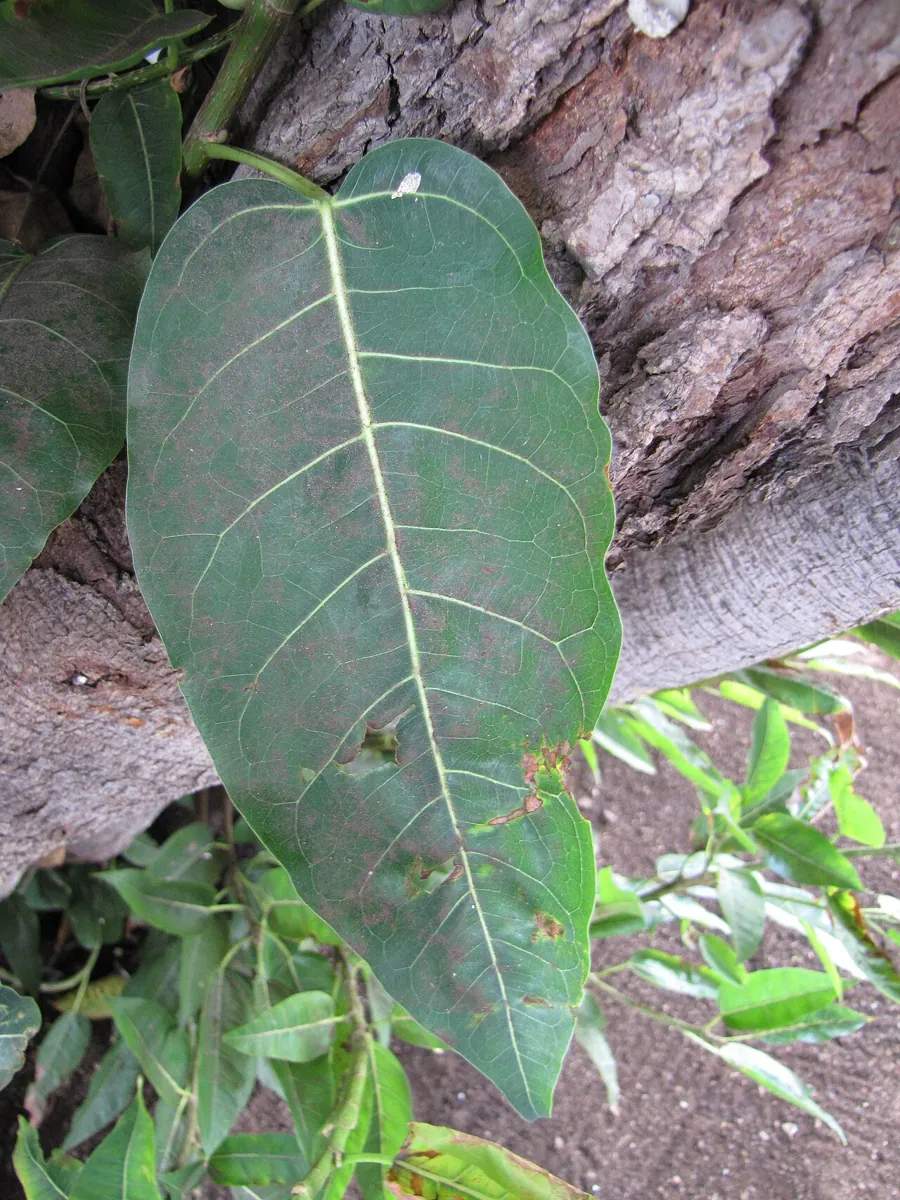
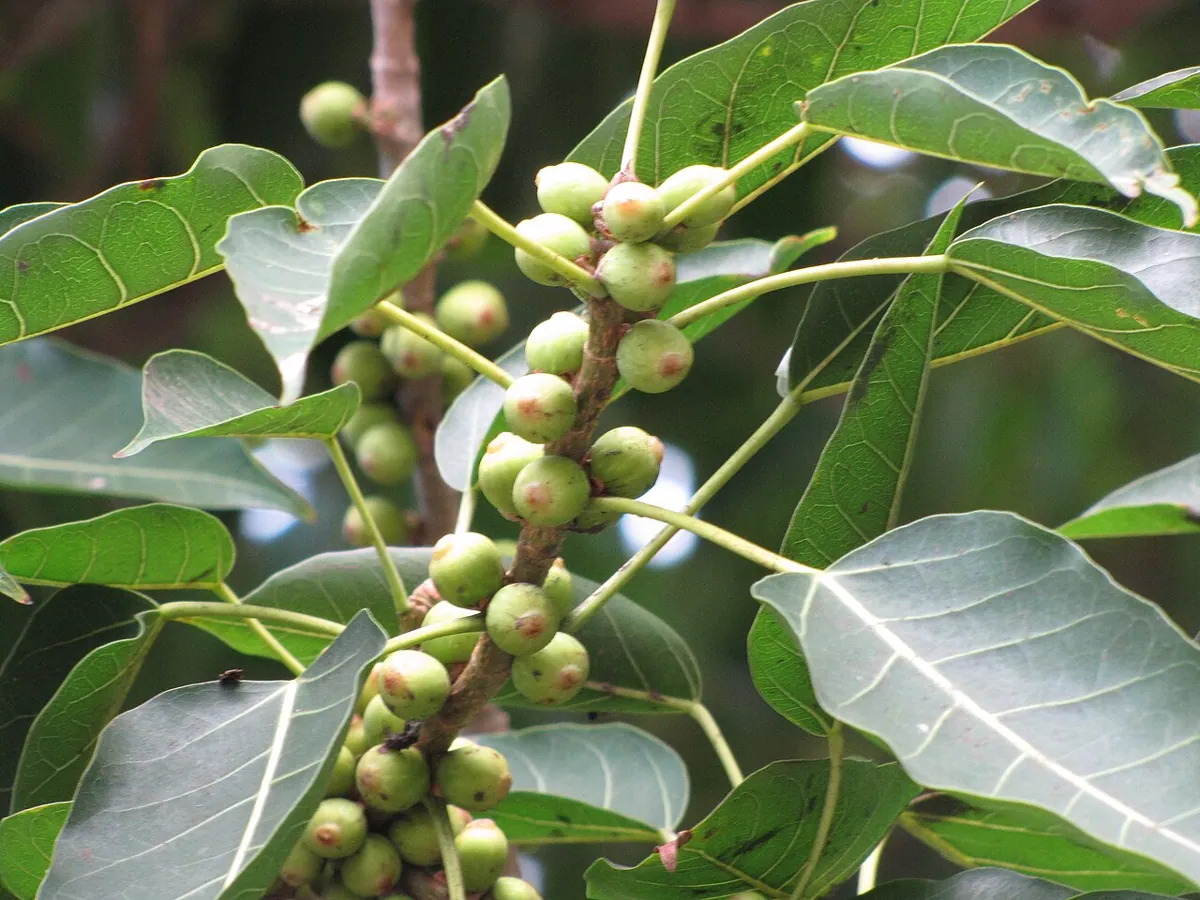
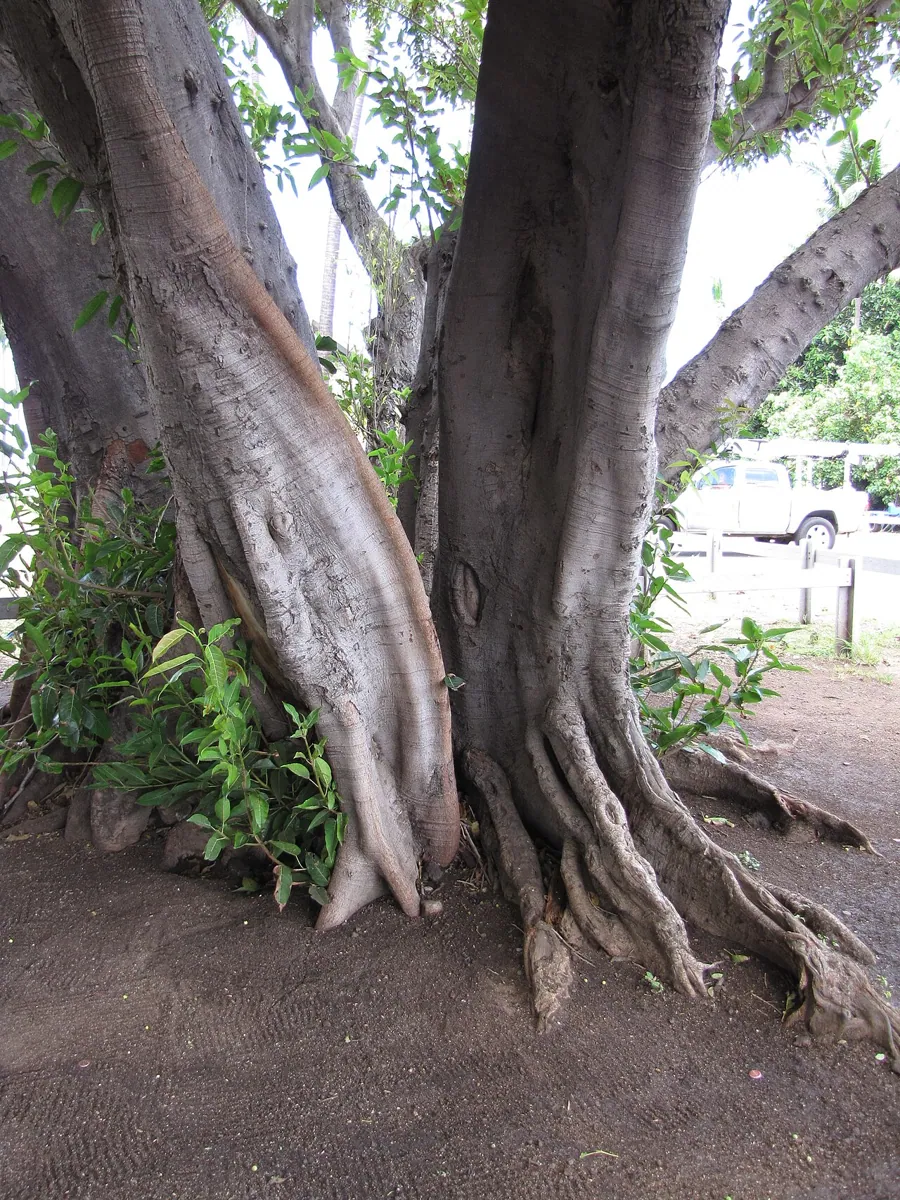
Plaksha (white fig) is one of the five milky trees used in Ayurveda for wounds, bleeding and female disorders.
About Plaksha
Plaksha is a large fig tree; part of Panchavalkala (five barks).
Shloka from Bhavaprakasha Nighantu
प्लक्षः कषायः शीतश्च व्रणयोनिगदापहः। दाहपित्तकफास्रघ्नः शोथहा रक्तपित्तहृत्॥
plakṣaḥ kaṣāyaḥ śītaśca vraṇayonigadāpahaḥ| dāhapittakaphāsraghnaḥ śothahā raktapittahṛt||
Meaning: Plaksha is astringent and cold, and removes wounds and diseases of the female tract. It removes burning, Pitta, Kapha and blood disorders, swelling and bleeding.
Bhavaprakasha Nighantu, Vatadi varga
In the classical texts
- Sushruta SamhitaPart of Panchavalkala for wound washing.
- Bhavaprakasha Nighantu (Vatadi varga)Described with the shloka above.
Synonyms (paryaya)
पर्कटी,पाकङ
parkaṭī,pākaṅa
Effect on the three doshas
How vaidyas use it in practice
- Panchavalkala decoction for wound washing and vaginal wash.
Simple home uses
- Not usually a home remedy.
For minor complaints only. If a problem lasts more than a few days or is severe, see a doctor.
What science says
Bark rich in tannins.
Safety and cautions
Safe.
Who should not take it
- Constipation
How to identify it, and common adulterants
Large fig with white bark.
Growing it at home
Large tree.
Questions people ask
What is Panchavalkala?
Five barks: Vata, Udumbara, Ashvattha, Plaksha, Parisha.
This page is general information from classical Ayurvedic texts and published research. It is not a prescription. Herbs act differently in different people; take any herb only after a qualified vaidya examines you, and do not stop prescribed medicines.