
Pilu
पीलू
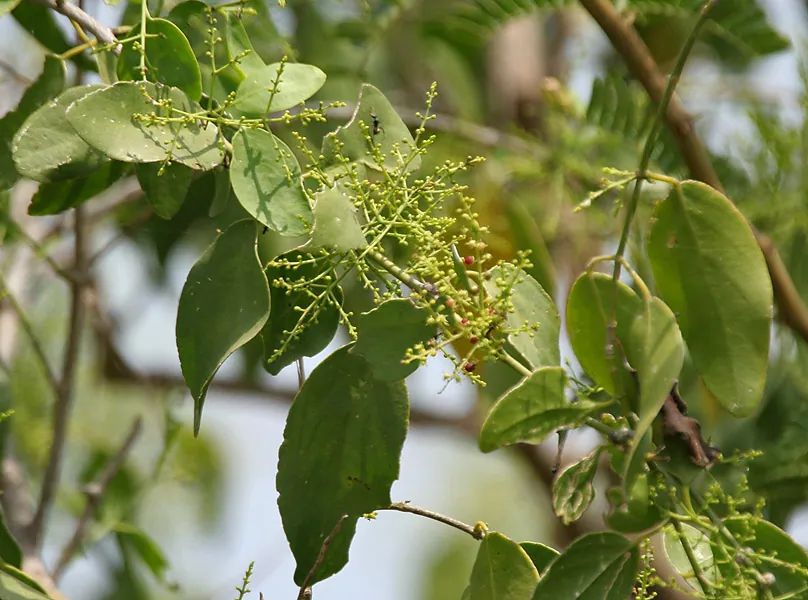
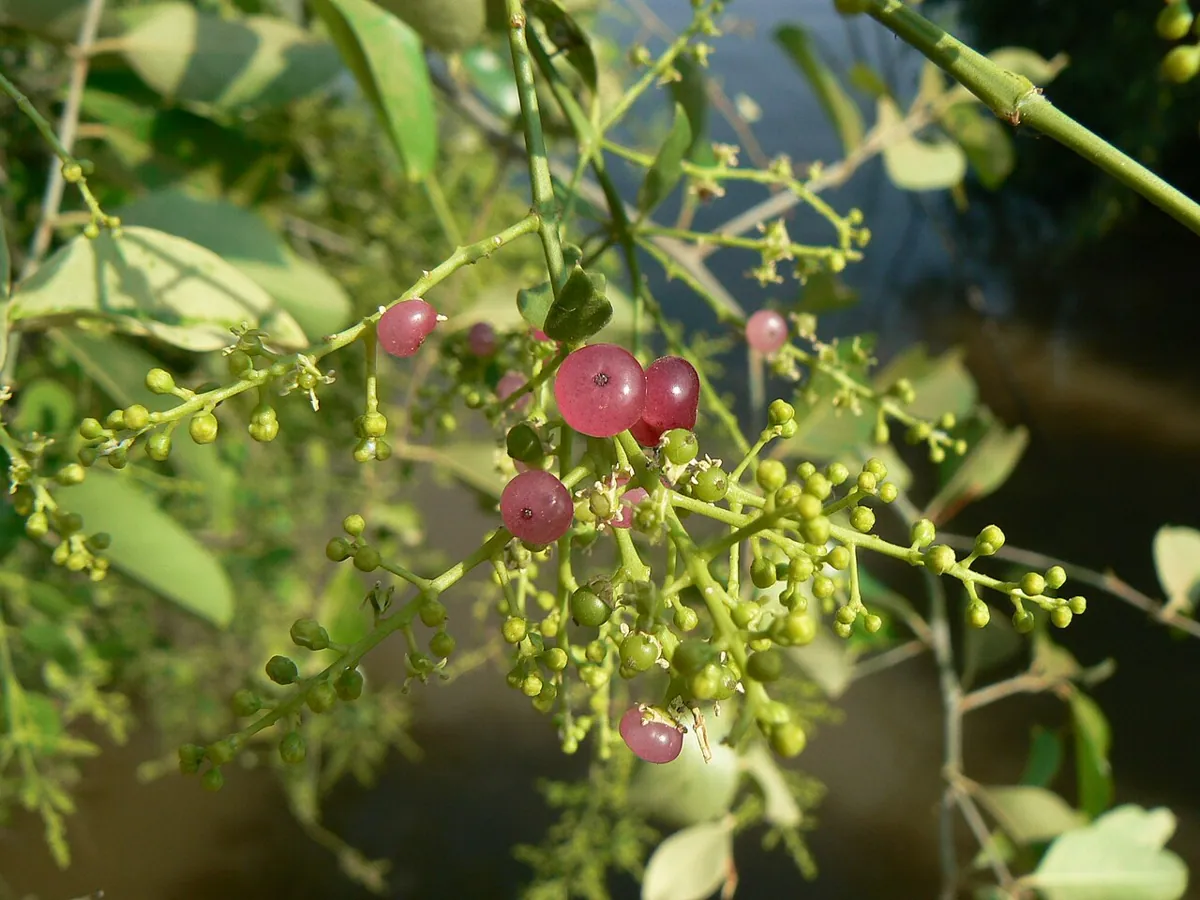
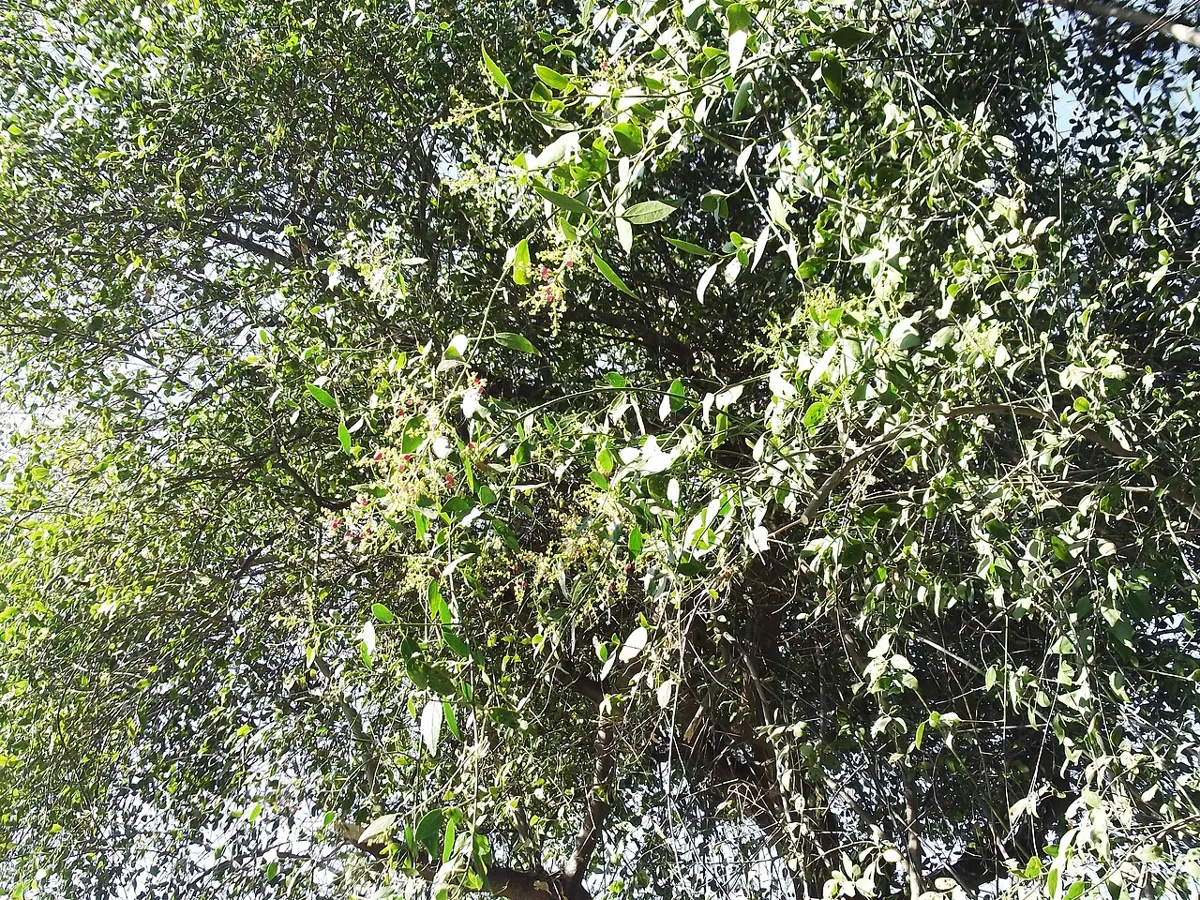
Pilu (miswak) is used in Ayurveda for teeth and gums, and its fruit for Vata, swelling and constipation.
Rasa (taste)तिक्त,मधुर (bitter, sweet)
Guna (qualities)लघु,स्निग्ध,तीक्ष्ण (light, unctuous, sharp)
Virya (potency)उष्ण (hot)
Vipaka (post-digestive effect)कटु (pungent)
Main action (karma)विरेचनोपग (aids purgation)
Part usedफल,बीज,पत्र,मूलत्वक~ (fruit, seed, leaf, root bark)
Classical dose (adult)1-3 Gm — only as your vaidya prescribes
About Pilu
The toothbrush tree of dry India and Arabia; its twigs are miswak.
In the classical texts
- Charaka Samhita (Sutrasthana 4)Included in the Virechanopaga group.
Synonyms (paryaya)
गुङफला,स्रंसी,झाल
guṅaphalā,sraṃsī,jhāla
Effect on the three doshas
VataCalms
PittaIncreases
KaphaCalms
How vaidyas use it in practice
- Twig as toothbrush.
- Fruit as mild laxative.
Simple home uses
- Miswak twig for teeth.
For minor complaints only. If a problem lasts more than a few days or is severe, see a doctor.
Well-known formulations
पीलु तैल
pīlu taila
What science says
Twigs contain fluoride, silica and antibacterial compounds; WHO recognises miswak.
Safety and cautions
Safe.
Who should not take it
- None
How to identify it, and common adulterants
Fibrous twigs with peppery taste.
Growing it at home
Dry-land shrub.
Questions people ask
Is miswak good?
Yes, for oral hygiene.
Want to know whether this herb suits your body type? Speak to a Parijatak vaidya.Book a consultation
This page is general information from classical Ayurvedic texts and published research. It is not a prescription. Herbs act differently in different people; take any herb only after a qualified vaidya examines you, and do not stop prescribed medicines.