
Parijata
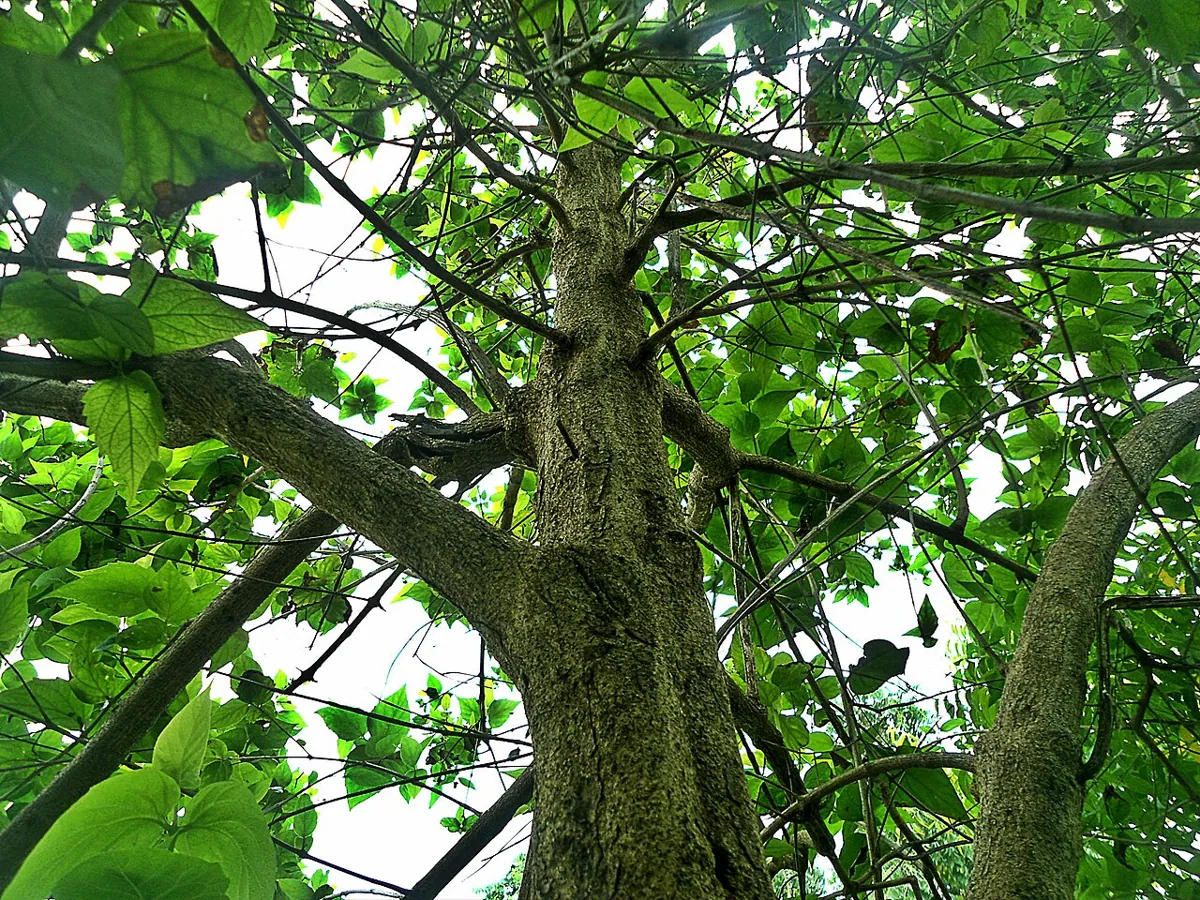
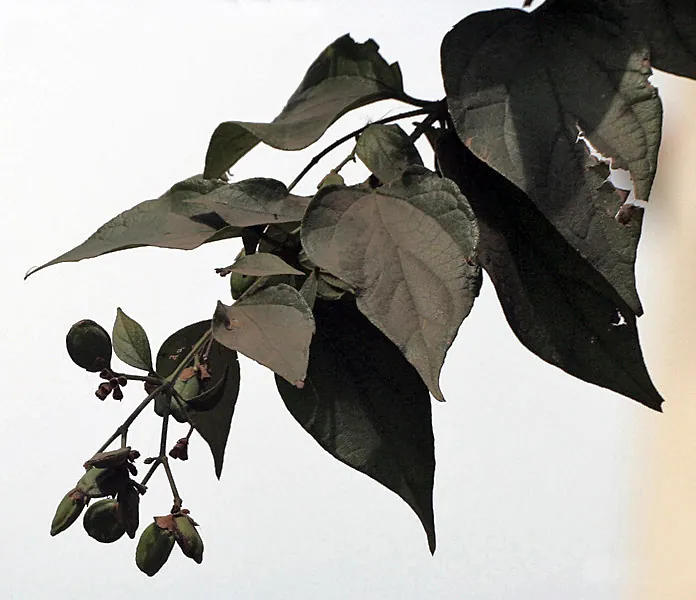
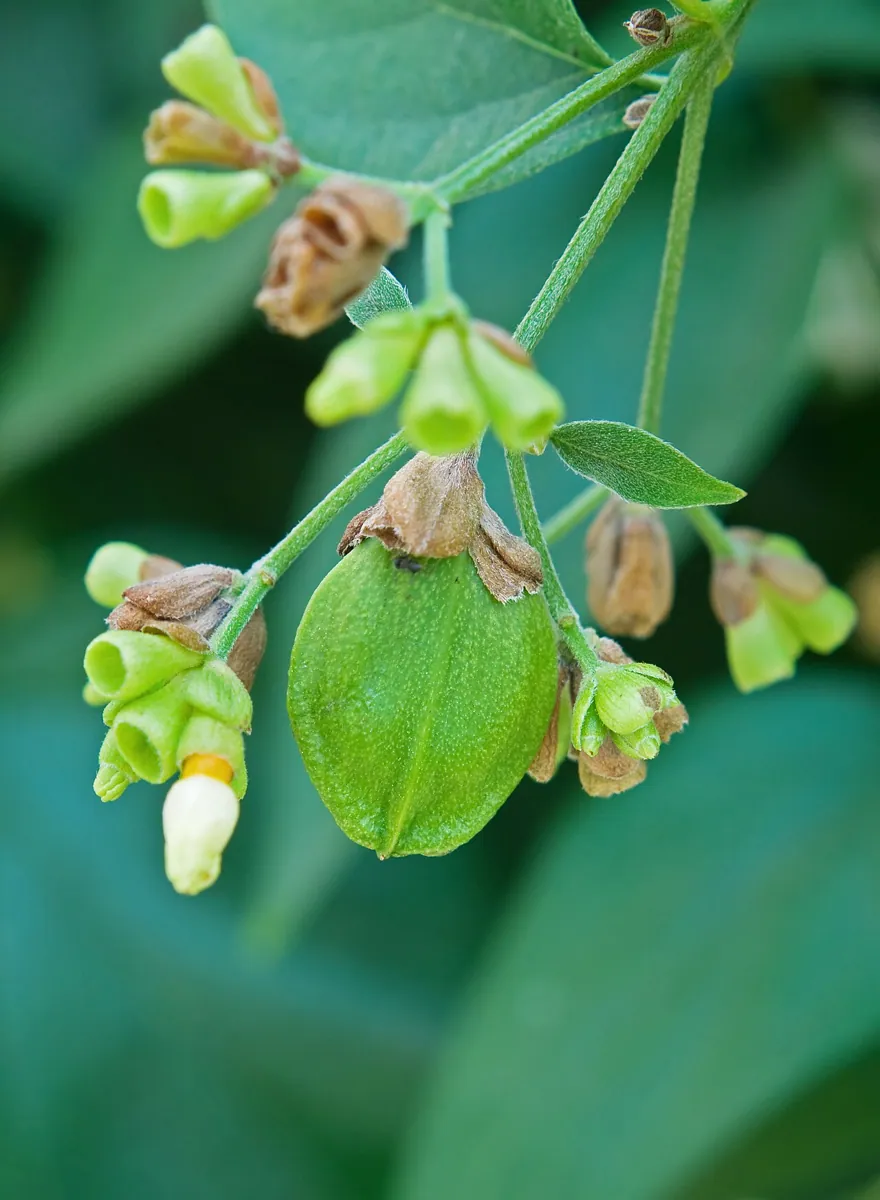
Parijata (night jasmine, harsingar) is used in Ayurveda for recurring fevers, sciatica, joint pain and worms.
About Parijata
Parijata drops its fragrant white-and-orange flowers every dawn; it gives its name to Parijatak Ayurveda. Its leaves are the main medicine.
In the classical texts
- Bhavaprakasha NighantuDescribed as bitter, hot, removing Vata, Kapha, fever and sciatica.
- Classical practiceParijata leaf decoction for Gridhrasi (sciatica) and Vishama jvara.
Synonyms (paryaya)
हारसिंगार,शेफालिका,प्राजक्त,खरपत्रक,नालकुंकुम
hārasiṃgāra,śephālikā,prājakta,kharapatraka,nālakuṃkuma
Effect on the three doshas
How vaidyas use it in practice
- Leaf decoction for sciatica and joint pain, as advised.
- In recurring fevers.
- Leaf juice for worms in children, as prescribed.
Simple home uses
- 5–7 leaves crushed and boiled in two cups of water down to one, for sciatica-type pain, for a short course, if the vaidya agrees.
For minor complaints only. If a problem lasts more than a few days or is severe, see a doctor.
What science says
Leaves contain iridoid glycosides (arbortristosides) and flavonoids; anti-inflammatory, antimalarial and pain-relieving effects shown.
Safety and cautions
Bitter; long use may cause stomach upset.
Who should not take it
- Pregnancy
How to identify it, and common adulterants
Rough sandpaper-like leaves; white flowers with orange tubes that fall at dawn.
Growing it at home
Easy shrub from cuttings in Vidarbha.
Questions people ask
Is Parijata good for sciatica?
It is a well-known traditional remedy.
This page is general information from classical Ayurvedic texts and published research. It is not a prescription. Herbs act differently in different people; take any herb only after a qualified vaidya examines you, and do not stop prescribed medicines.