
Parasa Pippala
पारसपीपल
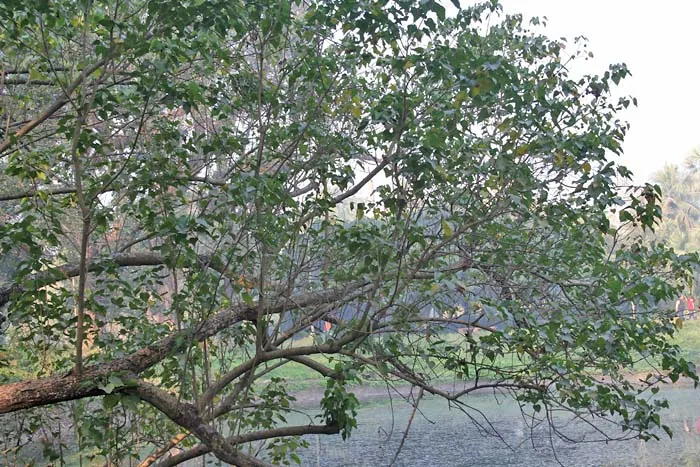
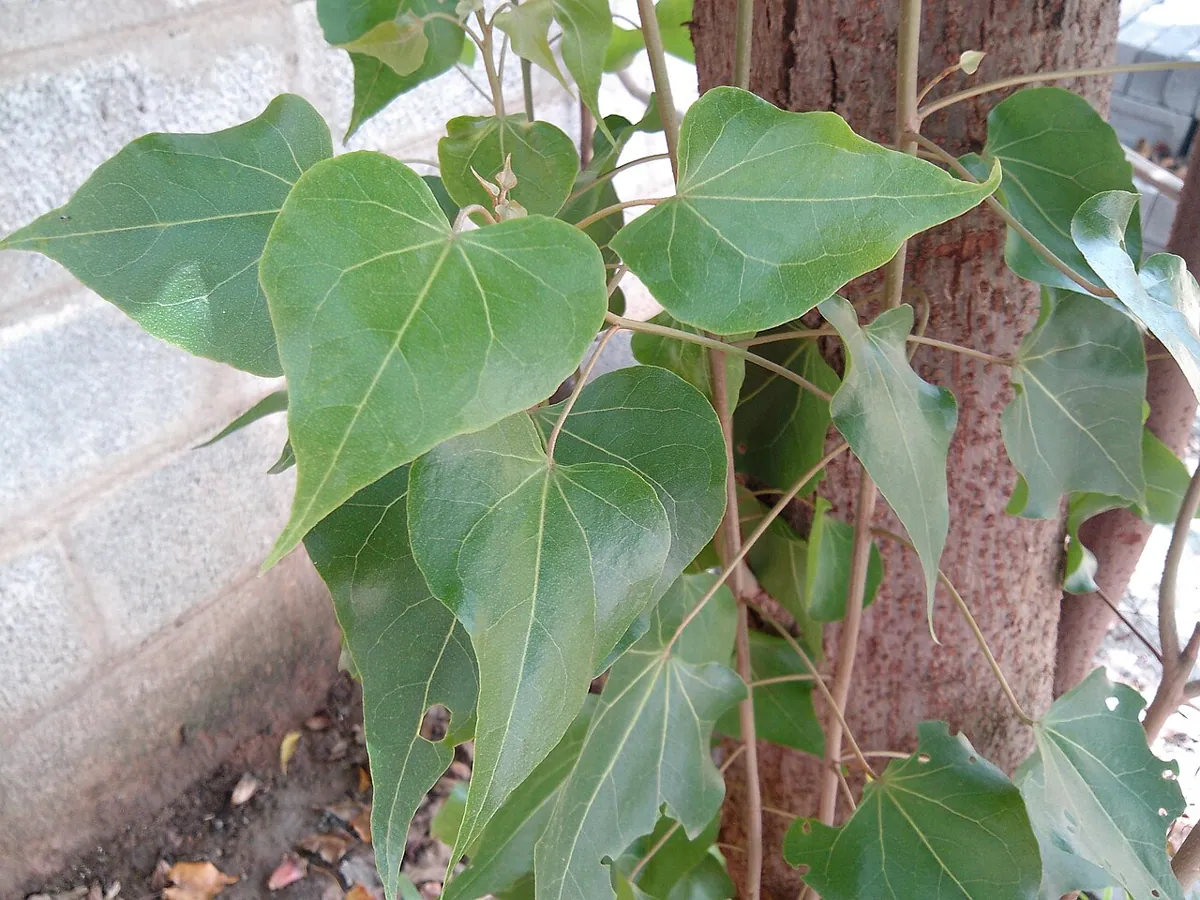
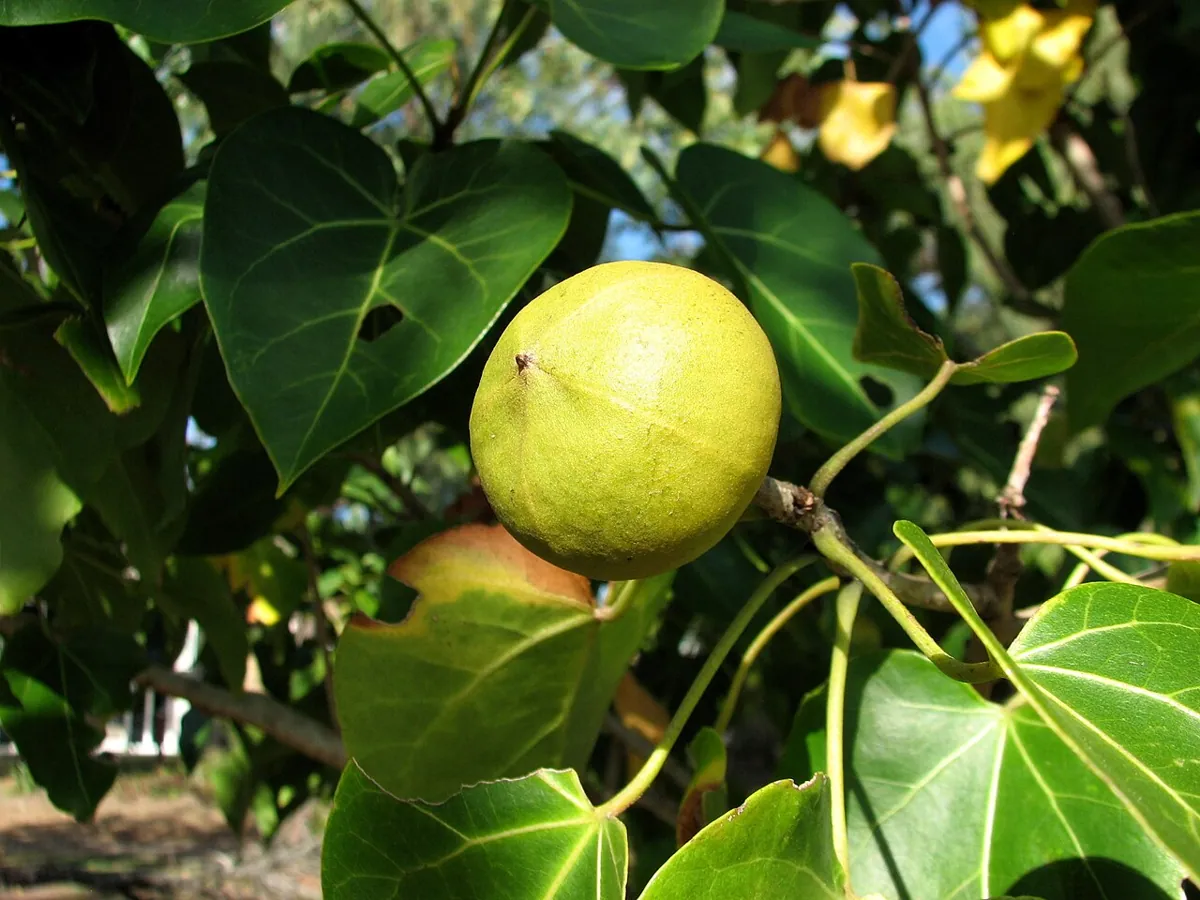
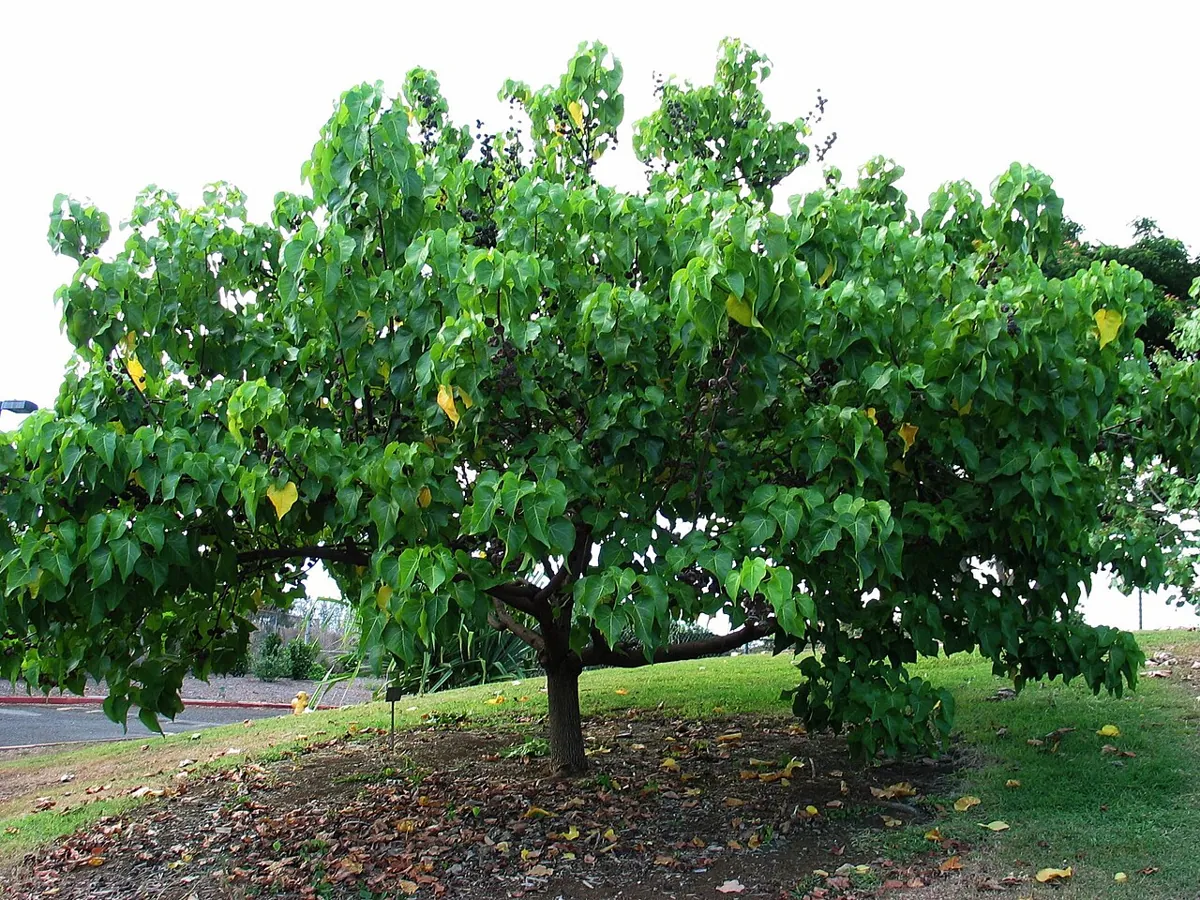
Parasa Pippala (portia tree) is used in Ayurveda for skin disease, scabies and swelling.
Rasa (taste)कषाय (astringent)
Guna (qualities)लघु,रूक्ष (light, dry)
Virya (potency)शीत (cold)
Vipaka (post-digestive effect)कटु (pungent)
Main action (karma)मूत्रसंग्रहणीय (reduces excess urination)
Part usedत्वक (bark)
Classical dose (adult)50-100 ml — only as your vaidya prescribes
About Parasa Pippala
Portia is a coastal tree with yellow hibiscus-like flowers.
In the classical texts
- Classical nighantusDescribed for skin disease and swelling.
Synonyms (paryaya)
पार्श्वपिप्पल,गर्दभाण्ड,कपीतन
pārśvapippala,gardabhāṇḍa,kapītana
Effect on the three doshas
VataNeutral
PittaCalms
KaphaCalms
How vaidyas use it in practice
- Bark and fruit paste on skin disease.
Simple home uses
- Not usually a home remedy.
For minor complaints only. If a problem lasts more than a few days or is severe, see a doctor.
What science says
Contains gossypol and flavonoids.
Safety and cautions
External use mainly.
Who should not take it
- Pregnancy
How to identify it, and common adulterants
Heart-shaped leaves; yellow flowers turning purple.
Growing it at home
Coastal tree.
Questions people ask
Is it peepal?
No.
Want to know whether this herb suits your body type? Speak to a Parijatak vaidya.Book a consultation
This page is general information from classical Ayurvedic texts and published research. It is not a prescription. Herbs act differently in different people; take any herb only after a qualified vaidya examines you, and do not stop prescribed medicines.