
Palasha
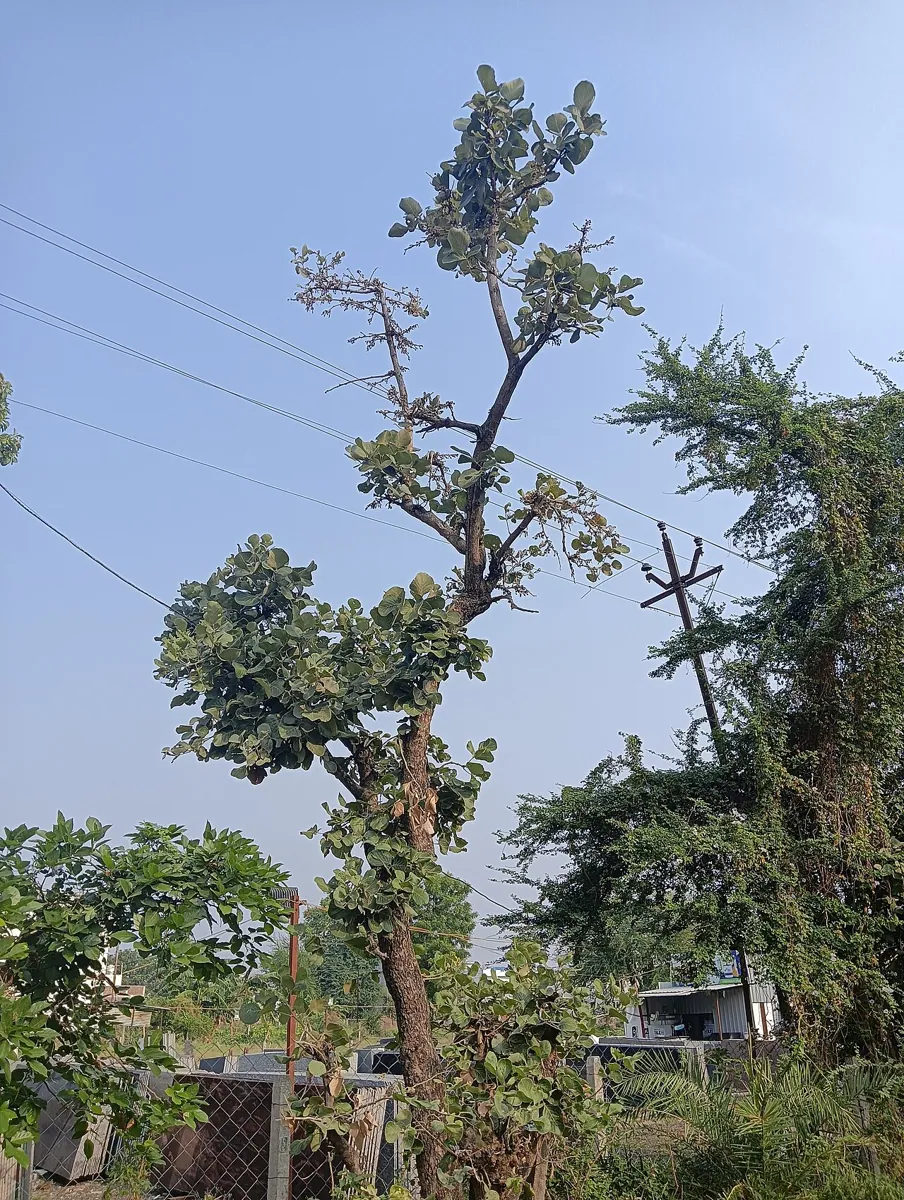
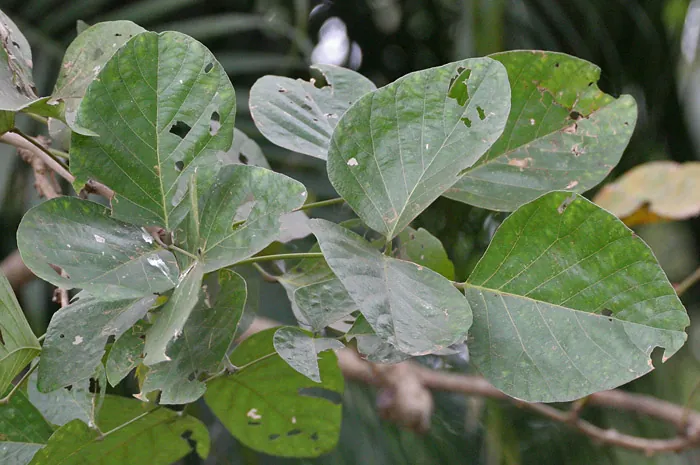
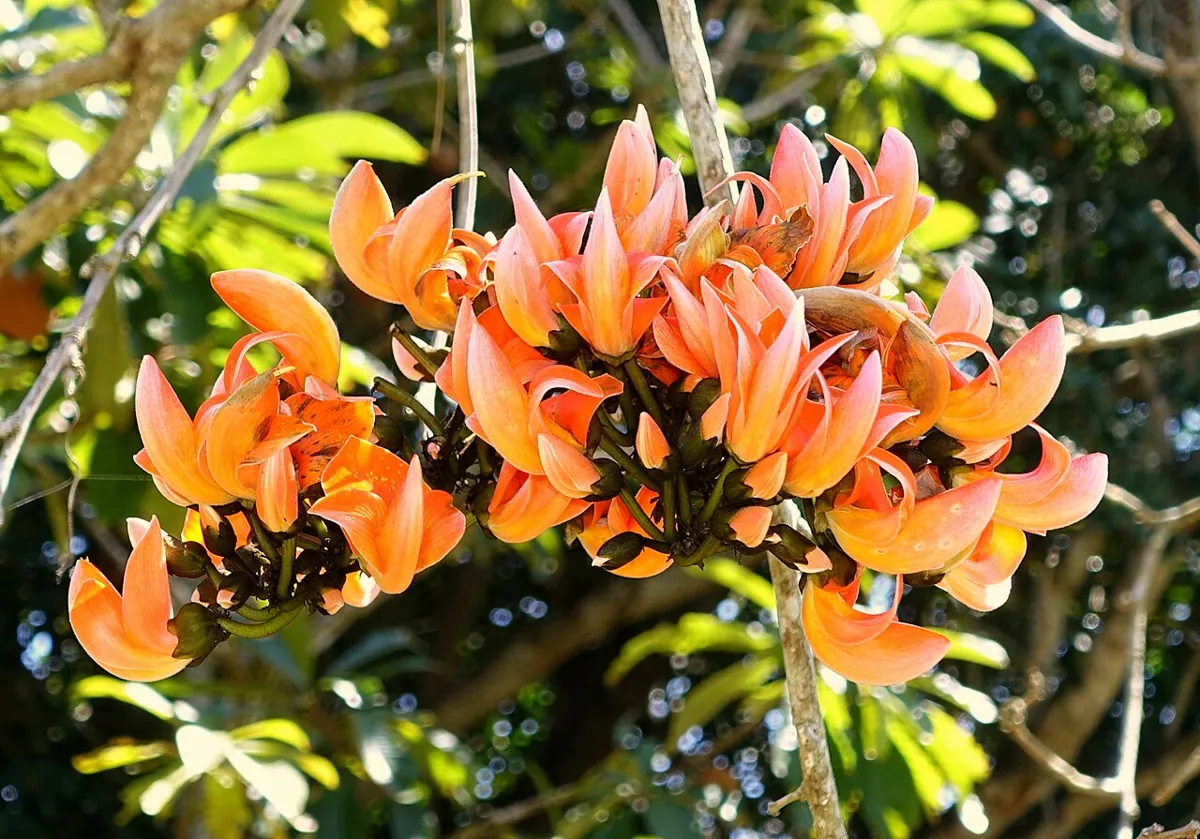
Palasha (flame of the forest) is used in Ayurveda for worms, skin disease, diabetes, urinary complaints and as a tonic.
About Palasha
Palasha is the deciduous tree of central Indian forests whose bright orange flowers set the jungle aflame in March. Flowers, seeds, bark and gum are all used.
Shloka from Bhavaprakasha Nighantu
पलाशो दीपनो वृष्यः सरोष्णो व्रणगुल्मजित्। भग्नसन्धानकृद्दोषग्रहण्यर्शःक्रिमीन् हरेत्॥
palāśo dīpano vṛṣyaḥ saroṣṇo vraṇagulmajit| bhagnasandhānakṛddoṣagrahaṇyarśaḥkrimīn haret||
Meaning: Palasha kindles digestion, nourishes reproductive tissue, is laxative and hot, and removes wounds and gulma. It unites fractures and removes dosha disorders, grahani, piles and worms.
Bhavaprakasha Nighantu, Vatadi varga
In the classical texts
- Charaka Samhita (Sutrasthana 4)Included in the Kashaya skandha.
- Bhavaprakasha Nighantu (Vatadi varga)Described with the shloka above.
Synonyms (paryaya)
किंशुक,रक्तपुष्प,क्षारश्रेष्ठ,ब्रह्मवृक्ष,समिद्वर,टेसू
kiṃśuka,raktapuṣpa,kṣāraśreṣṭha,brahmavṛkṣa,samidvara,ṭesū
Classical indications
दीपन, भग्नसंधानकर, ग्रहणी, अर्श, कृमि, वृष्य, पुष्प-तृड्दाह, वातरक्त, कुष्ठ, फल-प्रमेह, अर्श, कृमि
dīpana, bhagnasaṃdhānakara, grahaṇī, arśa, kṛmi, vṛṣya, puṣpa-tṛḍdāha, vātarakta, kuṣṭha, phala-prameha, arśa, kṛmi
Effect on the three doshas
How vaidyas use it in practice
- Seeds (Palasha bija) in worm formulas.
- Flowers in urinary burning and prameha.
- Gum in diarrhoea.
Simple home uses
- Holi colour was traditionally made from Palasha flowers.
For minor complaints only. If a problem lasts more than a few days or is severe, see a doctor.
Well-known formulations
पलाशक्षारघृत
palāśakṣāraghṛta
What science says
Contains flavonoids (butrin, isobutrin) and palasonin. Studies show anthelmintic and liver-protective effects.
Safety and cautions
Seeds are toxic in high doses.
Who should not take it
- Pregnancy
- Seeds at home
How to identify it, and common adulterants
Three-parted leaves, orange claw-like flowers.
Growing it at home
Native to Vidarbha forests.
Questions people ask
Are Palasha flowers medicinal?
Yes, used in urinary and skin conditions.
This page is general information from classical Ayurvedic texts and published research. It is not a prescription. Herbs act differently in different people; take any herb only after a qualified vaidya examines you, and do not stop prescribed medicines.