
Nimba

Nimba (neem) is the classic bitter, cooling herb of Ayurveda for skin, blood purification, fever, worms and dental care.
About Nimba
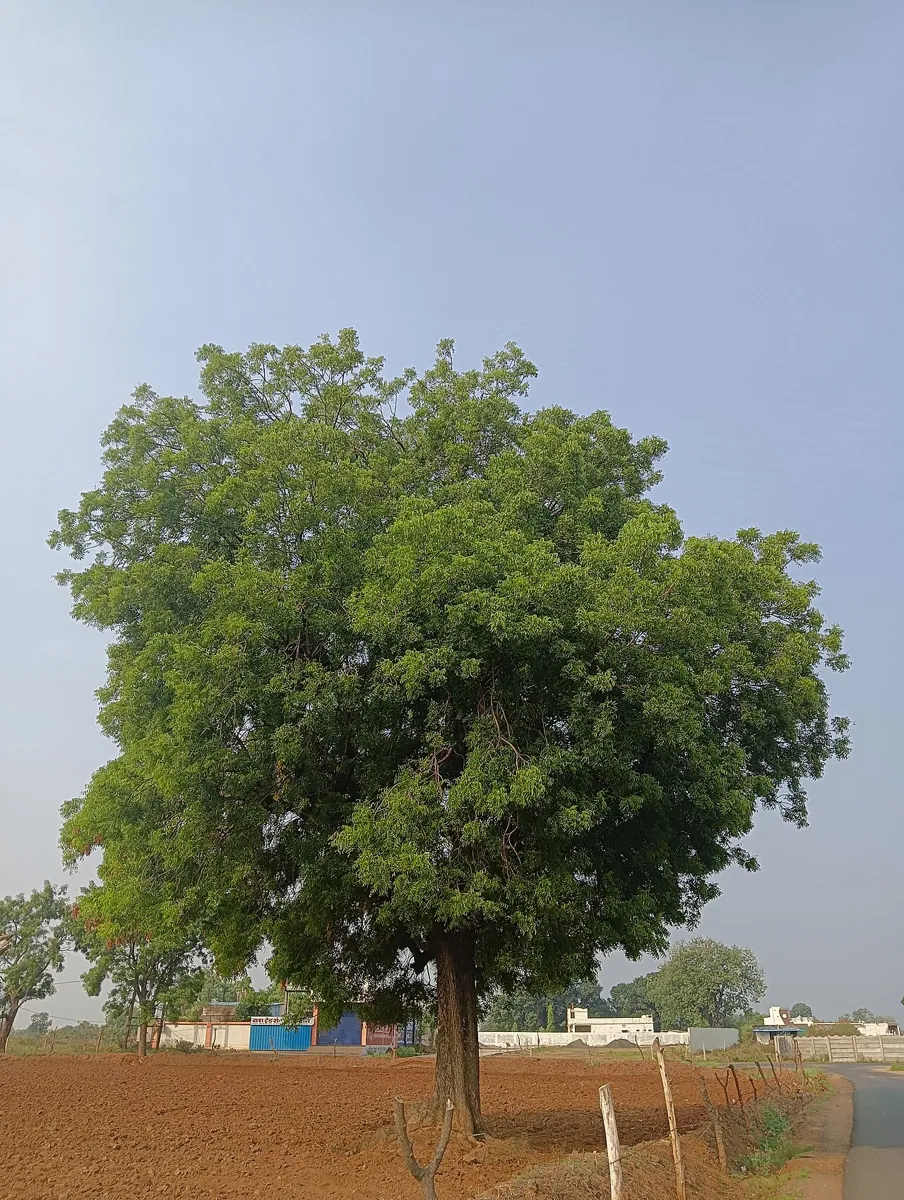
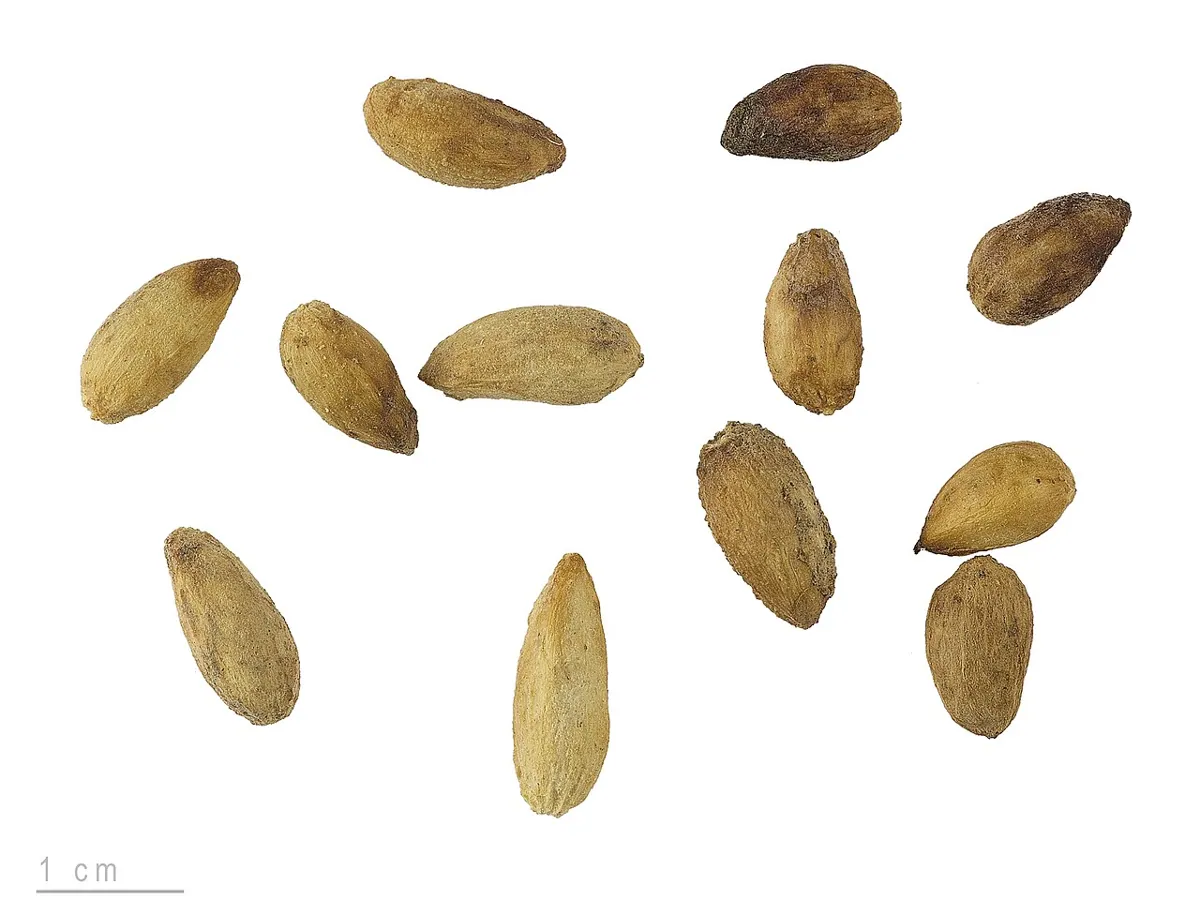
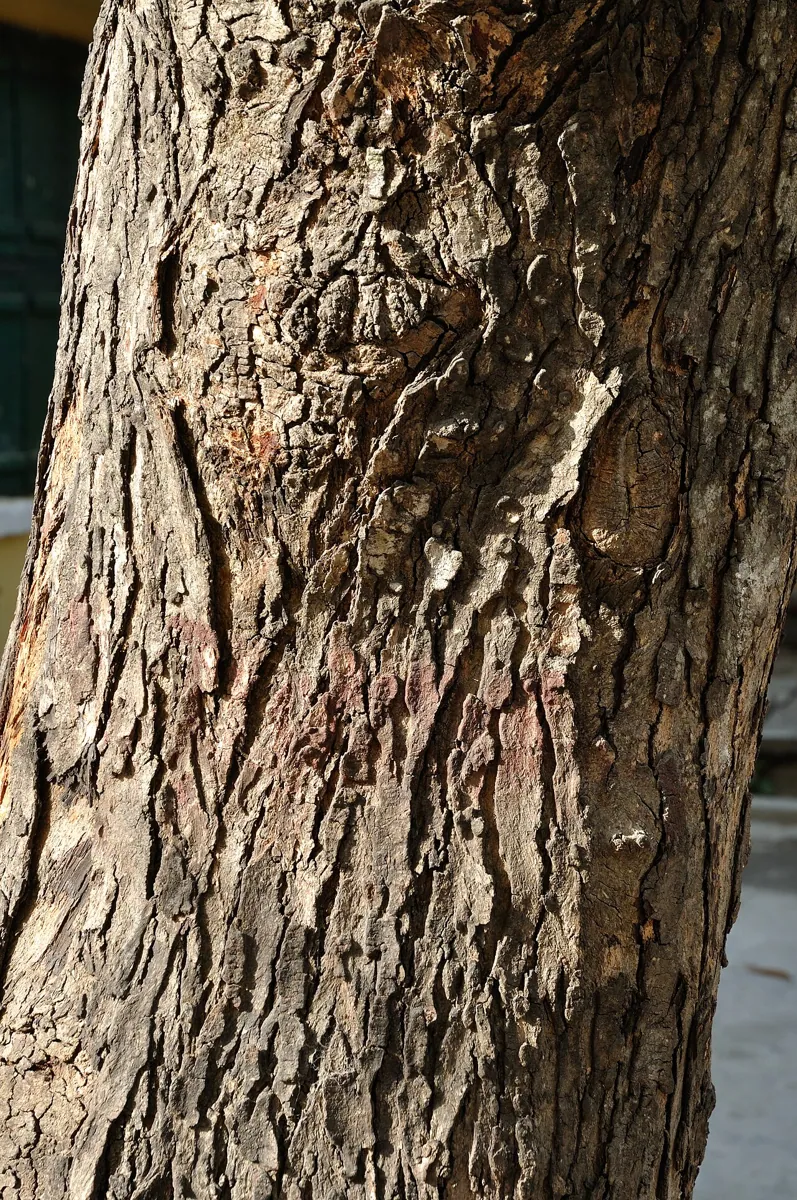
Neem is a hardy evergreen tree found in every Indian village, roadside and courtyard. Almost every part is used: leaves, bark, flowers, seed oil and twigs as tooth-sticks. It is the model of a tikta (bitter) herb.
Shloka from Bhavaprakasha Nighantu
निम्बः शीतो लघुर्ग्राही कटुपाकोऽग्निवातनुत्। अहृद्यः श्रमतृट्कासज्वरारुचिकृमिप्रणुत्॥
nimbaḥ śīto laghurgrāhī kaṭupāko'gnivātanut| ahṛdyaḥ śramatṛṭkāsajvarārucikṛmipraṇut||
व्रणपित्तकफच्छर्दिकुष्ठहृल्लासमेहनुत्॥
vraṇapittakaphacchardikuṣṭhahṛllāsamehanut||
Meaning: Nimba is cold, light, binding, pungent after digestion; it can weaken digestion and increase Vata. It is not pleasant to the heart. It removes fatigue, thirst, cough, fever, loss of taste and worms, and also wounds, Pitta, Kapha, vomiting, skin disease, nausea and prameha.
Bhavaprakasha Nighantu, Guduchyadi varga
In the classical texts
- Charaka Samhita (Sutrasthana 4)Included in the Kandughna (anti-itching) mahakashaya and among Tikta (bitter) herbs.
- Sushruta SamhitaNeem leaves are used in wound cleaning and in fumigation of wounds and rooms.
- Bhavaprakasha Nighantu (Guduchyadi varga)Describes the qualities of the tree, its leaves (good for eyes and worms), flowers and fruit.
Synonyms (paryaya)
पिचुमर्द,अरिष्ट,हिंगुनिर्यास
picumarda,ariṣṭa,hiṃguniryāsa
Classical indications
चक्षुष्य, कृमि, विष, अरोचक, कुष्ठ, गुल्म, मेह, भेदन, ज्वर, व्रण, अहृद्य
cakṣuṣya, kṛmi, viṣa, arocaka, kuṣṭha, gulma, meha, bhedana, jvara, vraṇa, ahṛdya
Effect on the three doshas
How vaidyas use it in practice
- Neem twig (datun) for daily tooth and gum care.
- Nimbadi churna or neem leaf decoction in skin disease with itching, under guidance.
- Neem leaves boiled in bath water for itchy skin.
- Neem oil on scalp for dandruff and lice, and on skin for fungal infections.
- Tender neem leaves in spring (Chaitra) with jaggery, a seasonal custom for Kapha.
Simple home uses
- A neem twig as a toothbrush.
- Neem leaves boiled in bath water for itchy skin.
- Neem oil on the scalp for lice and dandruff.
For minor complaints only. If a problem lasts more than a few days or is severe, see a doctor.
Well-known formulations
निम्बादि-तैल-चूर्ण-रिष्ट
nimbādi-taila-cūrṇa-riṣṭa
What science says
Neem contains limonoids (azadirachtin, nimbin, nimbidin), flavonoids and fatty acids in the seed oil. Laboratory work shows antibacterial, antifungal and anti-inflammatory effects; neem-based dental products have shown benefit for plaque and gum health in small trials.
Safety and cautions
Very bitter and cold; long internal use can weaken digestion, cause weakness and increase Vata. Neem oil must never be swallowed, especially by children: serious poisoning has been reported in infants. Avoid internal use in pregnancy and when trying to conceive.
Who should not take it
- Pregnancy and when trying to conceive (internal use)
- Infants and young children (neem oil must never be swallowed)
- Very weak, thin, Vata-type people (long internal use)
How to identify it, and common adulterants
Neem leaves are compound with serrated, curved leaflets and a strongly bitter taste. Mahanimba (Melia) looks similar but has doubly compound leaves and is a different medicine.
Growing it at home
Very hardy; grows from seed or sapling in almost any soil in full sun. A neem near the house is a long-standing Indian tradition.
Questions people ask
Can I drink neem juice every day?
Not for long periods. Short courses for specific conditions under a vaidya are safer, because neem is very cold and drying.
Is neem oil safe for children?
Only for external use, and never on infants without advice. Swallowed neem oil is dangerous for young children.
This page is general information from classical Ayurvedic texts and published research. It is not a prescription. Herbs act differently in different people; take any herb only after a qualified vaidya examines you, and do not stop prescribed medicines.