
Nili
नीली
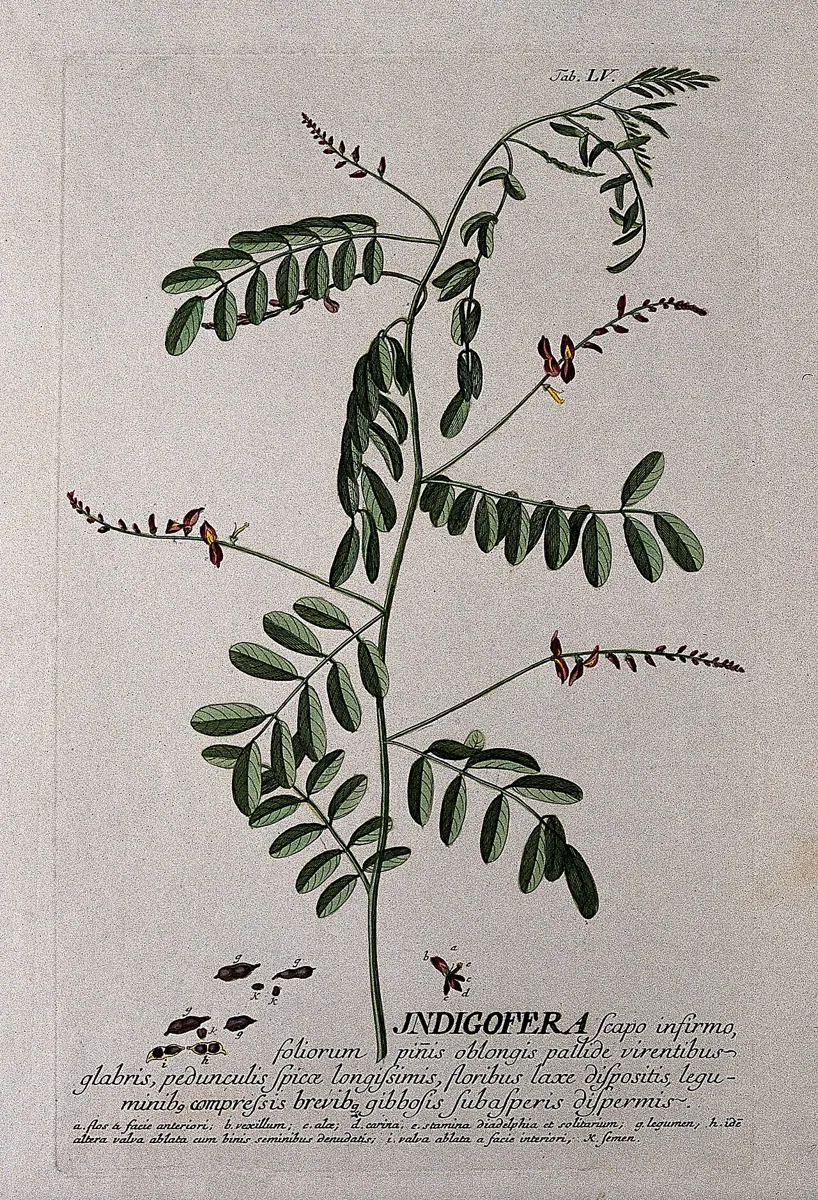
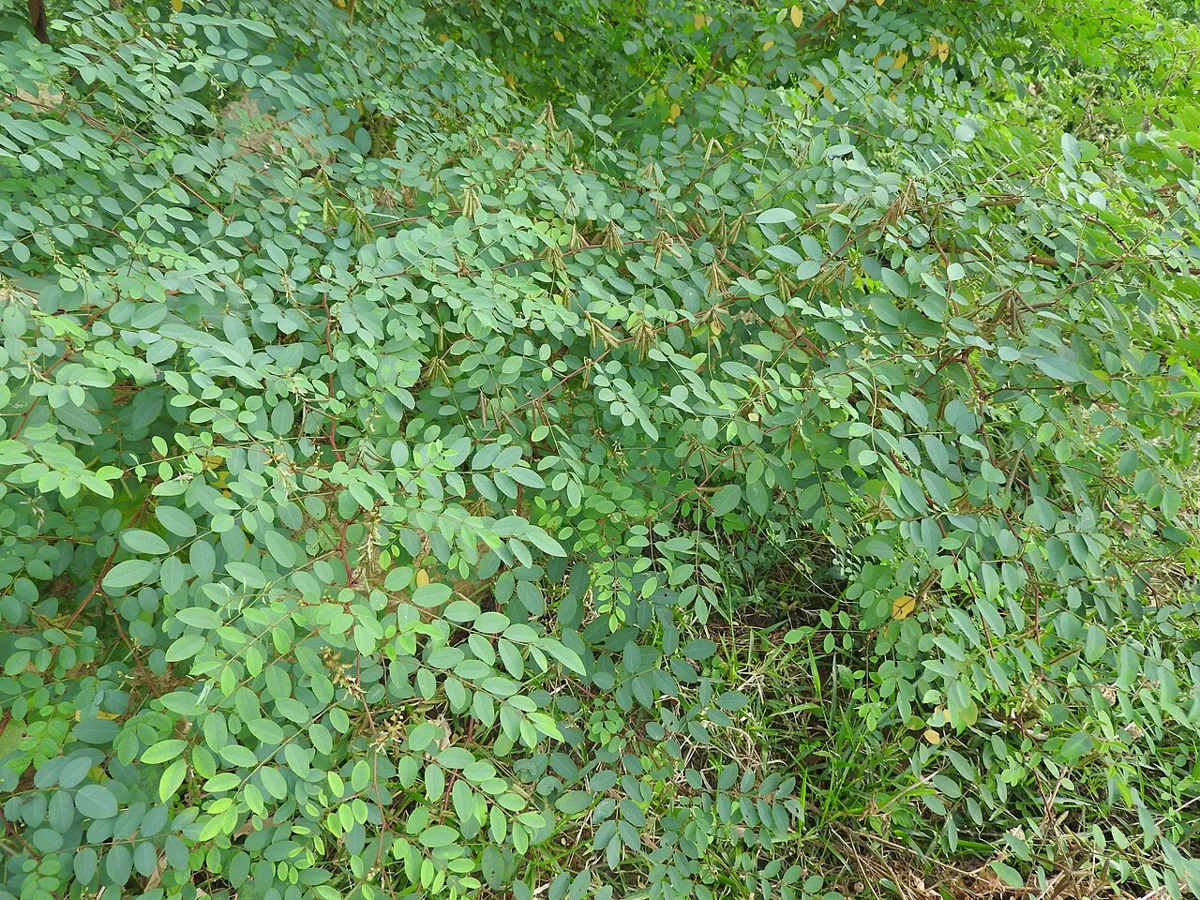
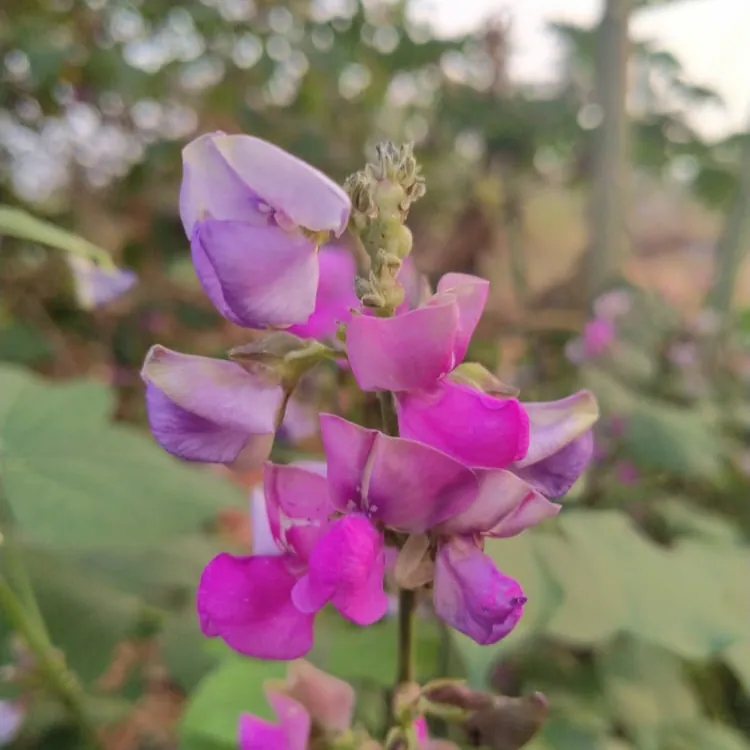
Nili (indigo) is used in Ayurveda for hair (with Bhringaraja), liver and poisoning.
Rasa (taste)तिक्त (bitter)
Guna (qualities)लघु,रूक्ष (light, dry)
Virya (potency)उष्ण (hot)
Vipaka (post-digestive effect)कटु (pungent)
Main action (karma)केश्य (good for hair)
Part usedपंचांग (whole plant)
Classical dose (adult)50-100 ml — only as your vaidya prescribes
About Nili
Nili was grown in India for blue dye.
In the classical texts
- Bhavaprakasha NighantuDescribed as hot, purgative, good for hair.
- Classical formulasNeelibhringadi taila.
Synonyms (paryaya)
शारदी,नीलपुष्पा,एंजनी,नीलिनी
śāradī,nīlapuṣpā,eṃjanī,nīlinī
Effect on the three doshas
VataCalms
PittaNeutral
KaphaCalms
How vaidyas use it in practice
- Neelibhringadi taila for hair.
- Indigo leaf powder with henna as hair dye.
Simple home uses
- Indigo powder after henna for natural dark hair colour.
For minor complaints only. If a problem lasts more than a few days or is severe, see a doctor.
Well-known formulations
नीलिनी-तैल-चूर्ण
nīlinī-taila-cūrṇa
What science says
Leaves contain indican (indigo precursor).
Safety and cautions
Patch test for dye.
Who should not take it
- Internal use without advice
How to identify it, and common adulterants
Small pinnate leaves; turns blue when fermented.
Growing it at home
Easy shrub.
Questions people ask
Is indigo hair dye safe?
Pure indigo is generally safe; test first.
Want to know whether this herb suits your body type? Speak to a Parijatak vaidya.Book a consultation
This page is general information from classical Ayurvedic texts and published research. It is not a prescription. Herbs act differently in different people; take any herb only after a qualified vaidya examines you, and do not stop prescribed medicines.