
Nagabala
नागबला
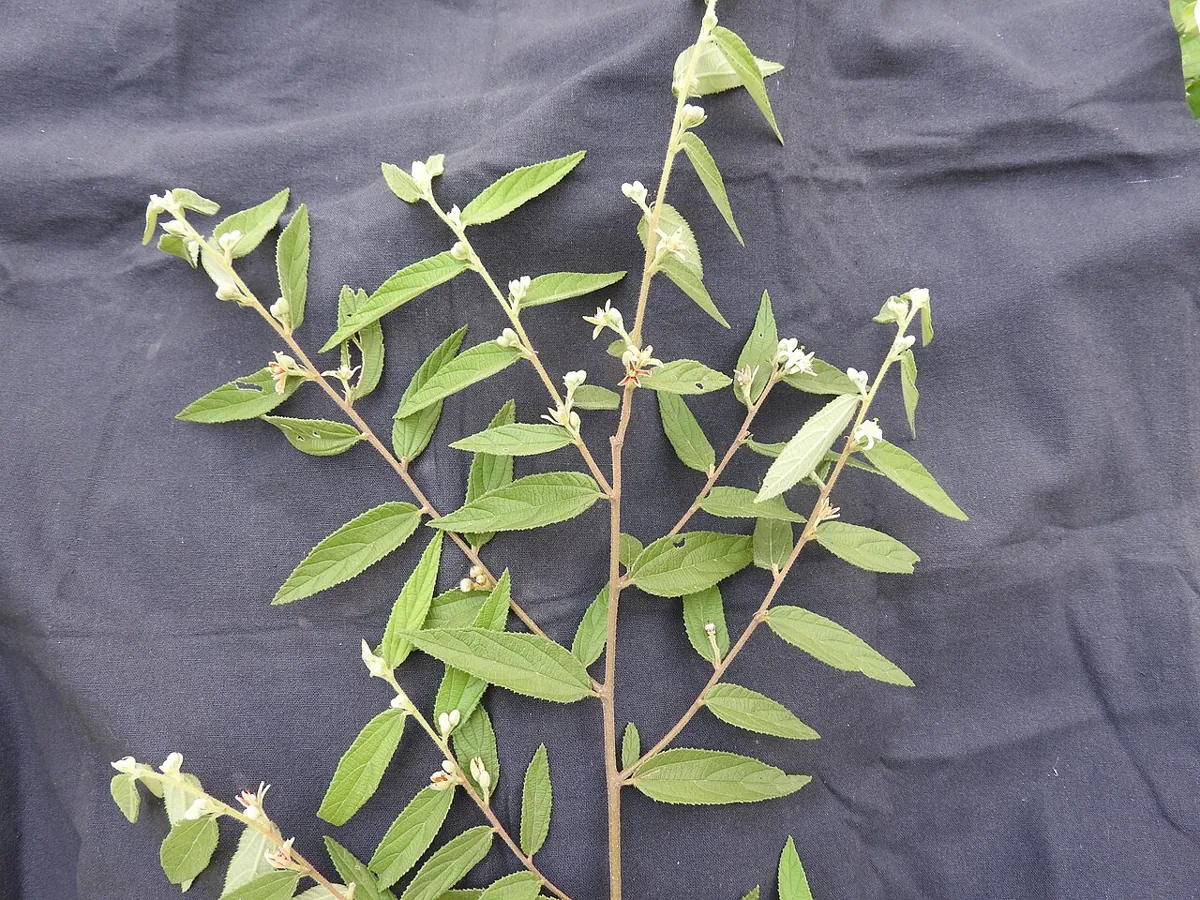
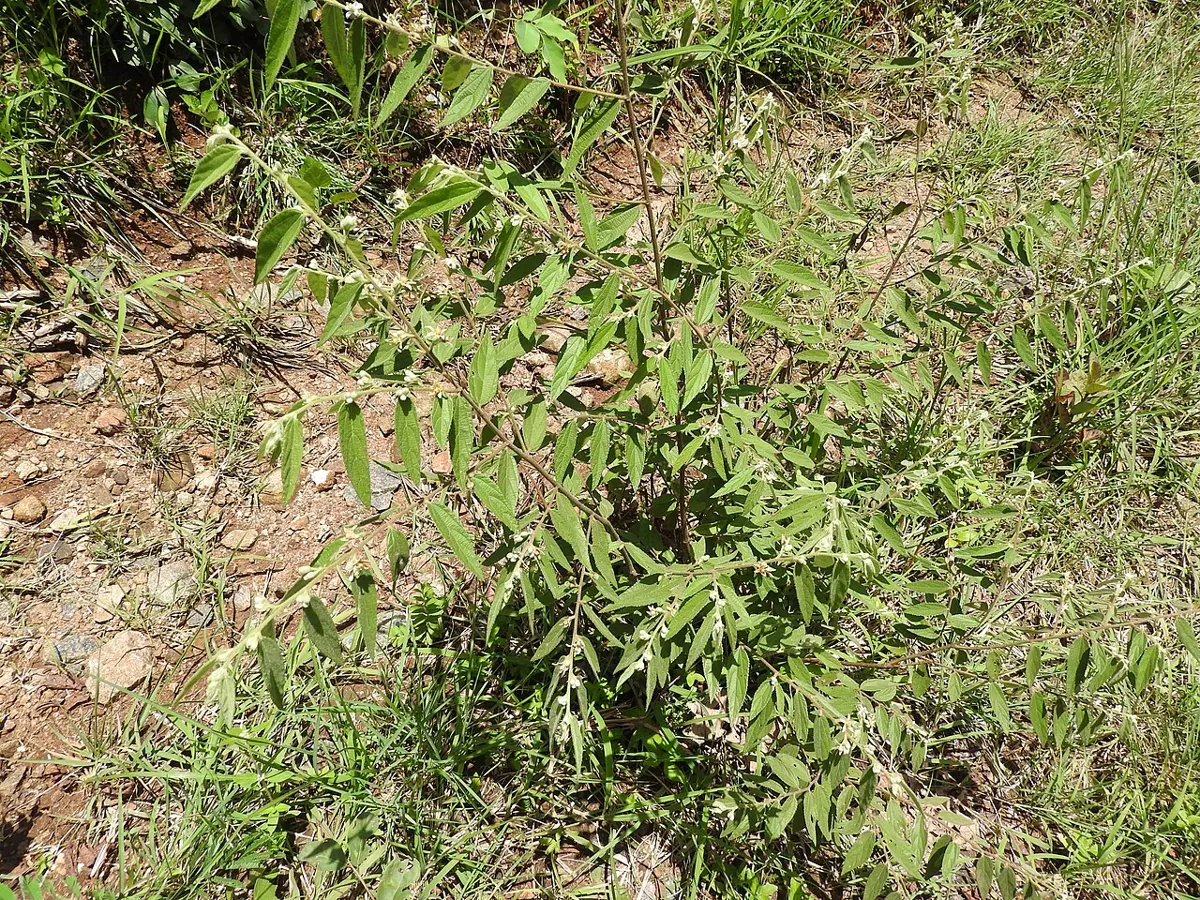
Nagabala is one of the four Balas, used in Ayurveda for strength, heart and urinary disorders.
Rasa (taste)मधुर,कषाय (sweet, astringent)
Guna (qualities)गुरु,स्निग्ध,पिच्छिल (heavy, unctuous, slimy)
Virya (potency)शीत (cold)
Vipaka (post-digestive effect)मधुर (sweet)
Main action (karma)रसायन (rejuvenating)
Part usedमूल (root)
Classical dose (adult)3-6 gm — only as your vaidya prescribes
About Nagabala
Nagabala's identity varies by region (Grewia hirsuta or Sida species).
In the classical texts
- Bhavaprakasha NighantuDescribed as sweet, cold, strength-giving.
- Charaka Samhita (Chikitsasthana 1)Nagabala rasayana.
Synonyms (paryaya)
गुङशर्करा,गुलशकरी,गुङखण्डी
guṅaśarkarā,gulaśakarī,guṅakhaṇḍī
Effect on the three doshas
VataCalms
PittaCalms
KaphaIncreases
How vaidyas use it in practice
- In Bala formulas.
Simple home uses
- Not usually a home remedy.
For minor complaints only. If a problem lasts more than a few days or is severe, see a doctor.
Well-known formulations
नागबला रसायन
nāgabalā rasāyana
What science says
Little studied.
Safety and cautions
Safe.
Who should not take it
- None
How to identify it, and common adulterants
Pharmacy should confirm species.
Growing it at home
Wild.
Questions people ask
Is it the same as Bala?
A related plant.
Want to know whether this herb suits your body type? Speak to a Parijatak vaidya.Book a consultation
This page is general information from classical Ayurvedic texts and published research. It is not a prescription. Herbs act differently in different people; take any herb only after a qualified vaidya examines you, and do not stop prescribed medicines.