
Musta
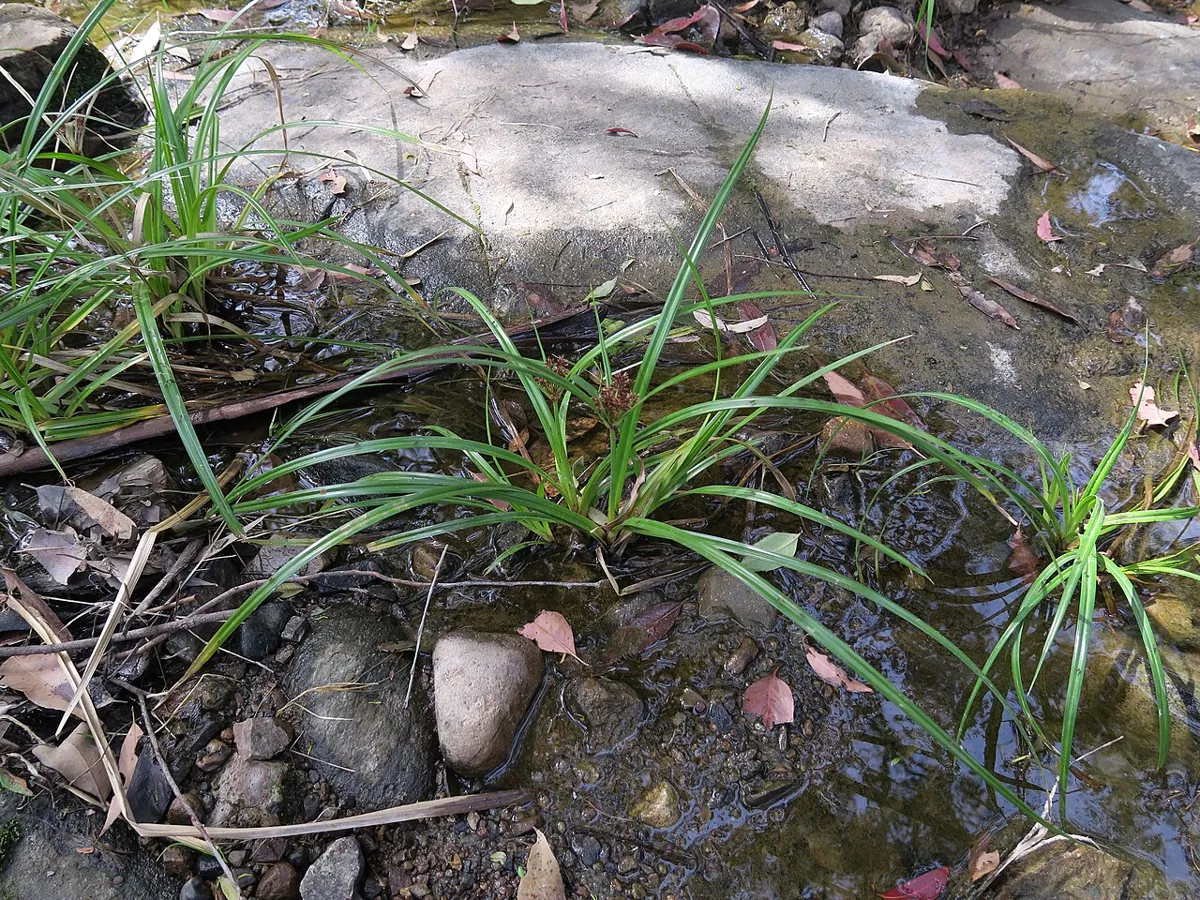
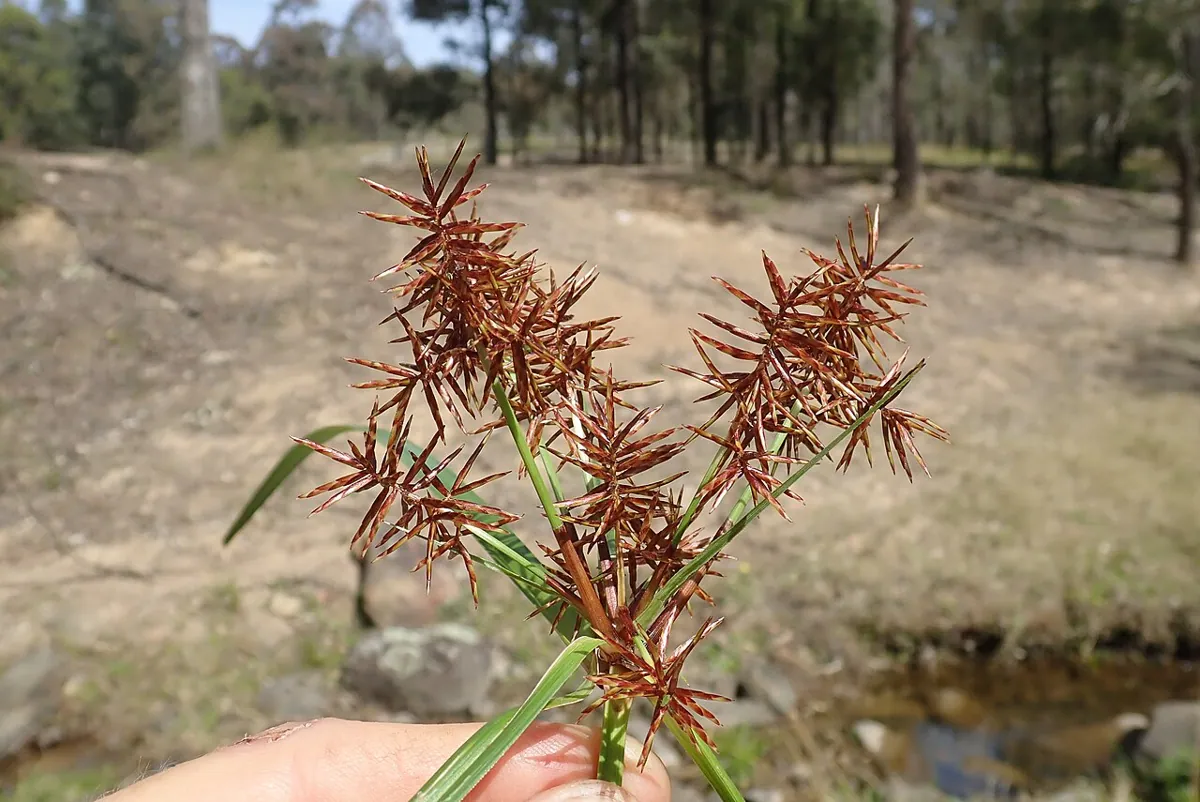
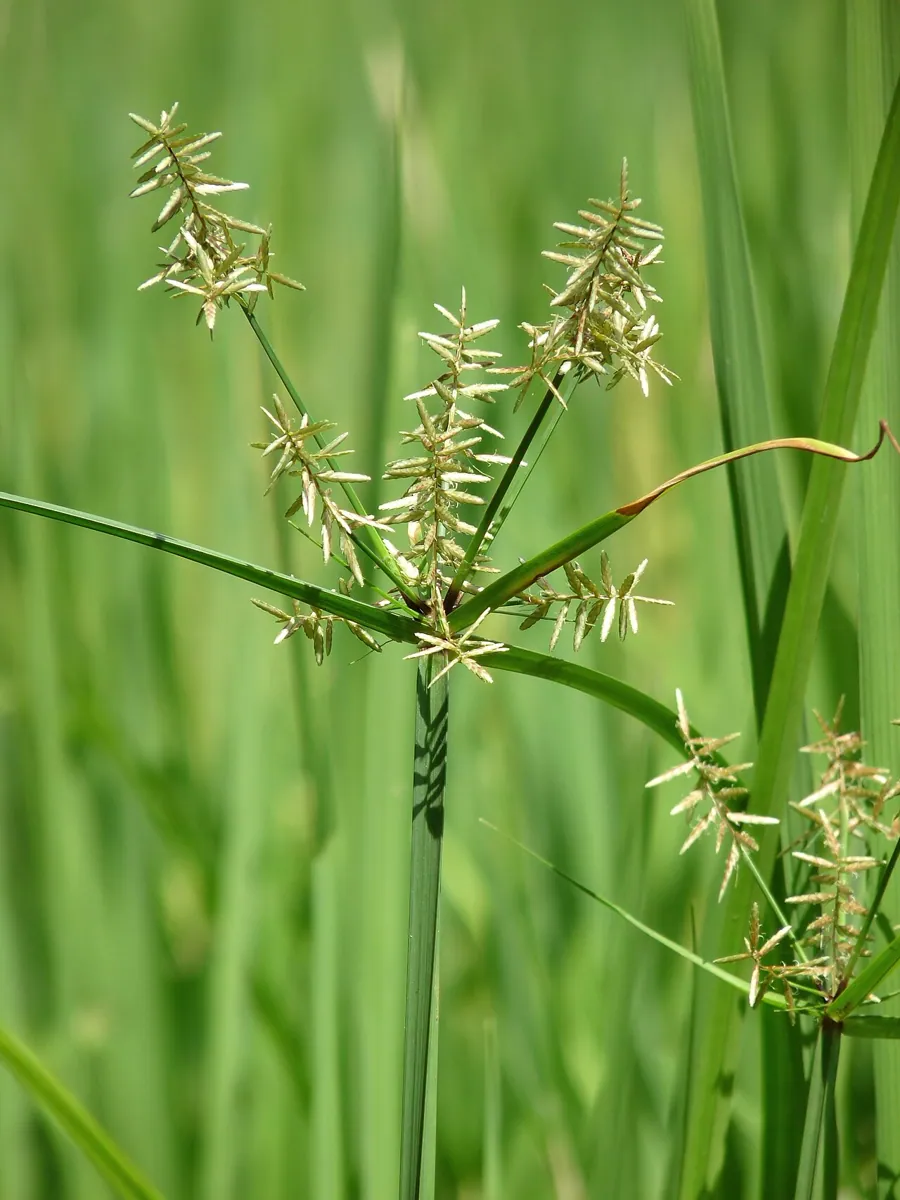
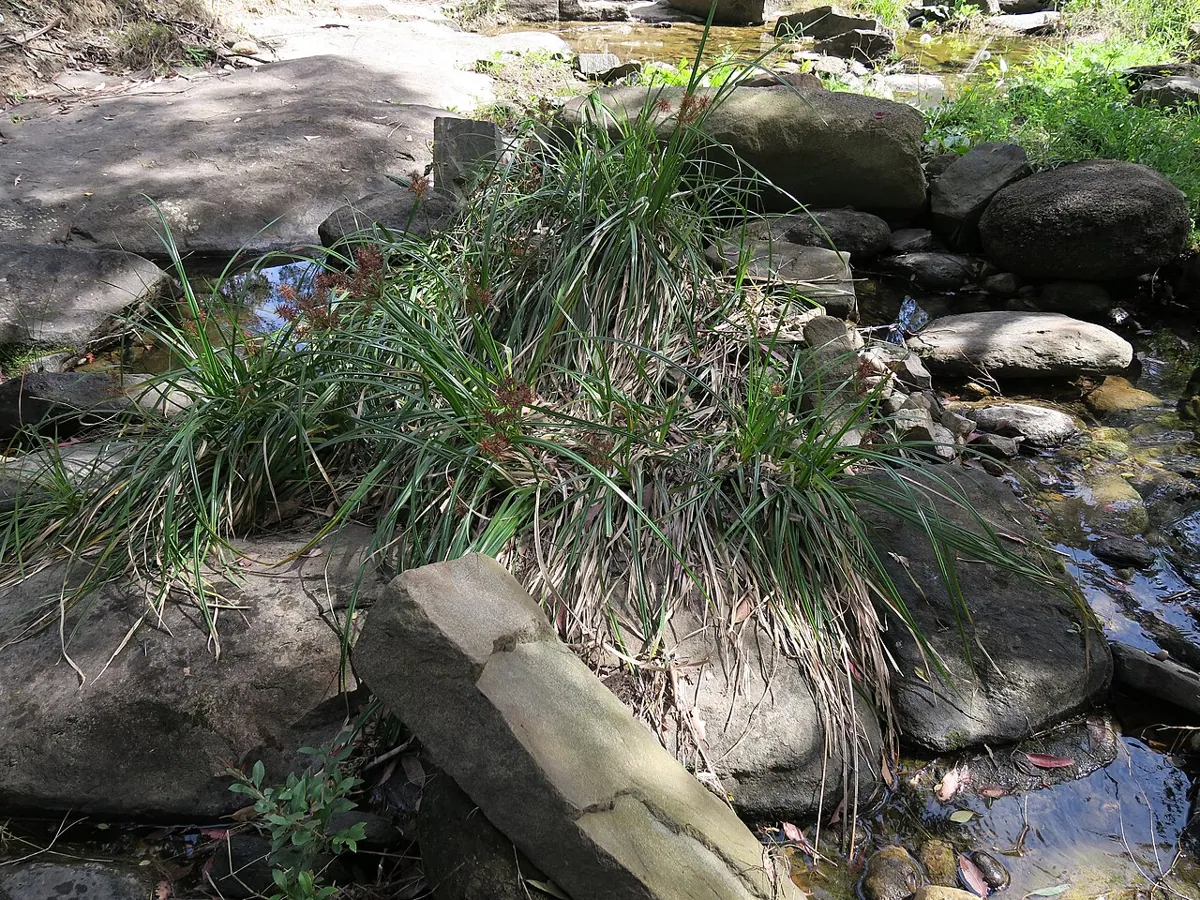
Musta (nagarmotha) is a cooling, bitter-astringent digestive used in Ayurveda for diarrhoea, indigestion, fever, thirst and skin.
About Musta
Musta is the aromatic tuber of nut grass, a hardy sedge that grows in fields and gardens everywhere in India. Though farmers see it as a weed, Ayurveda counts it among its finest digestives, especially for Pitta and Kapha disorders of the gut.
Shloka from Bhavaprakasha Nighantu
मुस्तं कटु हिमं ग्राहि तिक्तं दीपनपाचनम्। कषायं कफपित्तास्रतृड्ज्वरारुचिजन्तुहृत्॥
mustaṃ kaṭu himaṃ grāhi tiktaṃ dīpanapācanam| kaṣāyaṃ kaphapittāsratṛḍjvarārucijantuhṛt||
Meaning: Musta is pungent, cold, binding and bitter; it kindles and digests. It is astringent and removes Kapha, Pitta, blood disorders, thirst, fever, loss of taste and worms.
Bhavaprakasha Nighantu, Karpuradi varga
In the classical texts
- Charaka Samhita (Sutrasthana 4)Included in the Lekhaniya, Triptighna, Kandughna, Stanyashodhana and Trishnanigrahana groups.
- Charaka Samhita (Sutrasthana 25)Named among the best herbs for digestive and absorptive functions (sangrahi, dipana, pachana).
- Bhavaprakasha Nighantu (Karpuradi varga)Described with the shloka above among aromatic drugs.
Synonyms (paryaya)
वारिद,मोथा
vārida,mothā
Classical indications
ग्राही, दीपन, पाचन, कफ, पित्त, तृष्णा, अरुचि, ज्वर, अतिसार, ग्रहणी
grāhī, dīpana, pācana, kapha, pitta, tṛṣṇā, aruci, jvara, atisāra, grahaṇī
Effect on the three doshas
How vaidyas use it in practice
- Musta with Shunthi (Mustaka-Shunthi water) in fever with thirst and indigestion.
- Musta powder or decoction in loose stools and IBS-type complaints, as advised.
- Shadanga paniya (Musta, Parpata, Ushira, Chandana, Udichya, Shunthi) as a cooling drink in fevers.
- Mustakarishta for poor digestion and diarrhoea.
- Musta paste on skin with itching and excess sweating.
Simple home uses
- Boil one teaspoon of crushed Musta in a litre of water and drink through the day in fever with thirst.
- Musta with dry ginger in water for mild loose stools.
For minor complaints only. If a problem lasts more than a few days or is severe, see a doctor.
Well-known formulations
मुस्तकादि क्वाथ-रिष्ट-चूर्ण
mustakādi kvātha-riṣṭa-cūrṇa
What science says
The tubers contain an essential oil with sesquiterpenes (cyperene, alpha-cyperone, rotundone) and flavonoids. Laboratory studies show anti-diarrhoeal, antioxidant and anti-inflammatory effects; human trials are limited.
Safety and cautions
Generally safe. Because it is drying and binding, avoid high doses in constipation and in very dry, Vata-type bodies. Pregnant women should consult before use.
Who should not take it
- Constipation
- Very dry, Vata-type bodies in high doses
- Pregnancy without advice
How to identify it, and common adulterants
Genuine Musta tubers are small, dark brown, hairy, and fragrant when broken. Larger, odourless tubers of other Cyperus species are common substitutes.
Growing it at home
It is a weed that spreads by tubers; grow it in a separate pot so it does not take over the garden.
Questions people ask
Is Musta good for loose motions?
Yes, it is one of the main binding and digestive herbs, usually given with other herbs as decided by the vaidya.
Is nagarmotha cooling?
Yes, cold in potency, which is why it is used for fever with thirst and burning.
This page is general information from classical Ayurvedic texts and published research. It is not a prescription. Herbs act differently in different people; take any herb only after a qualified vaidya examines you, and do not stop prescribed medicines.