
Mulaka
मूलक
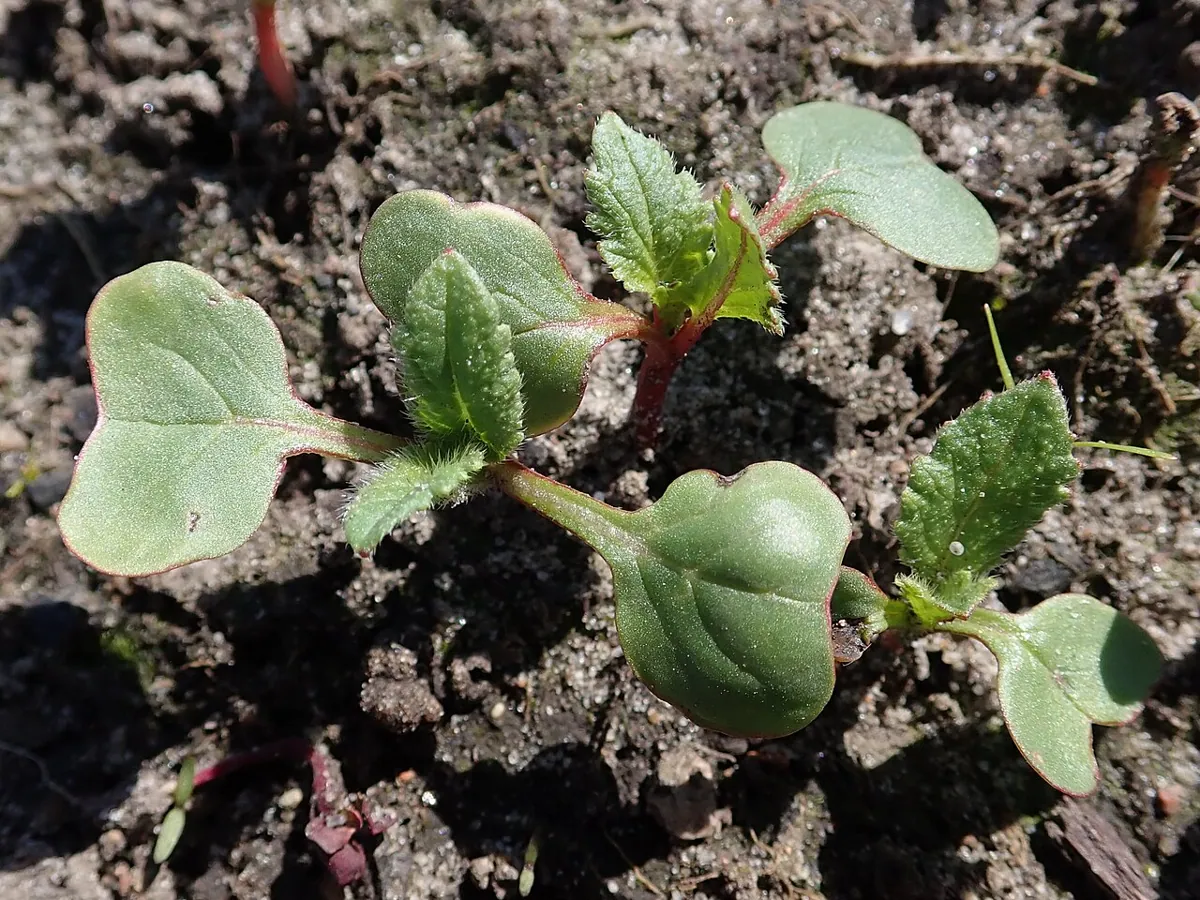
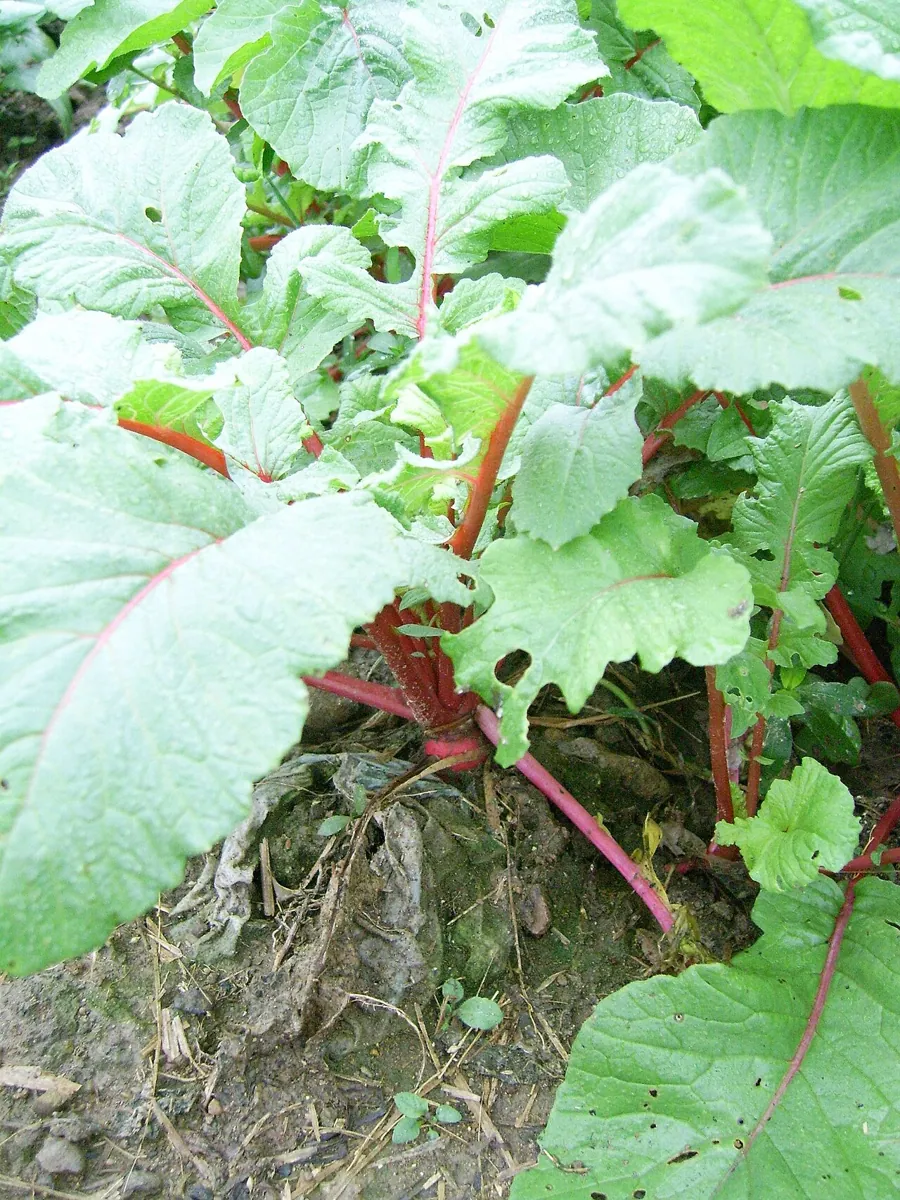
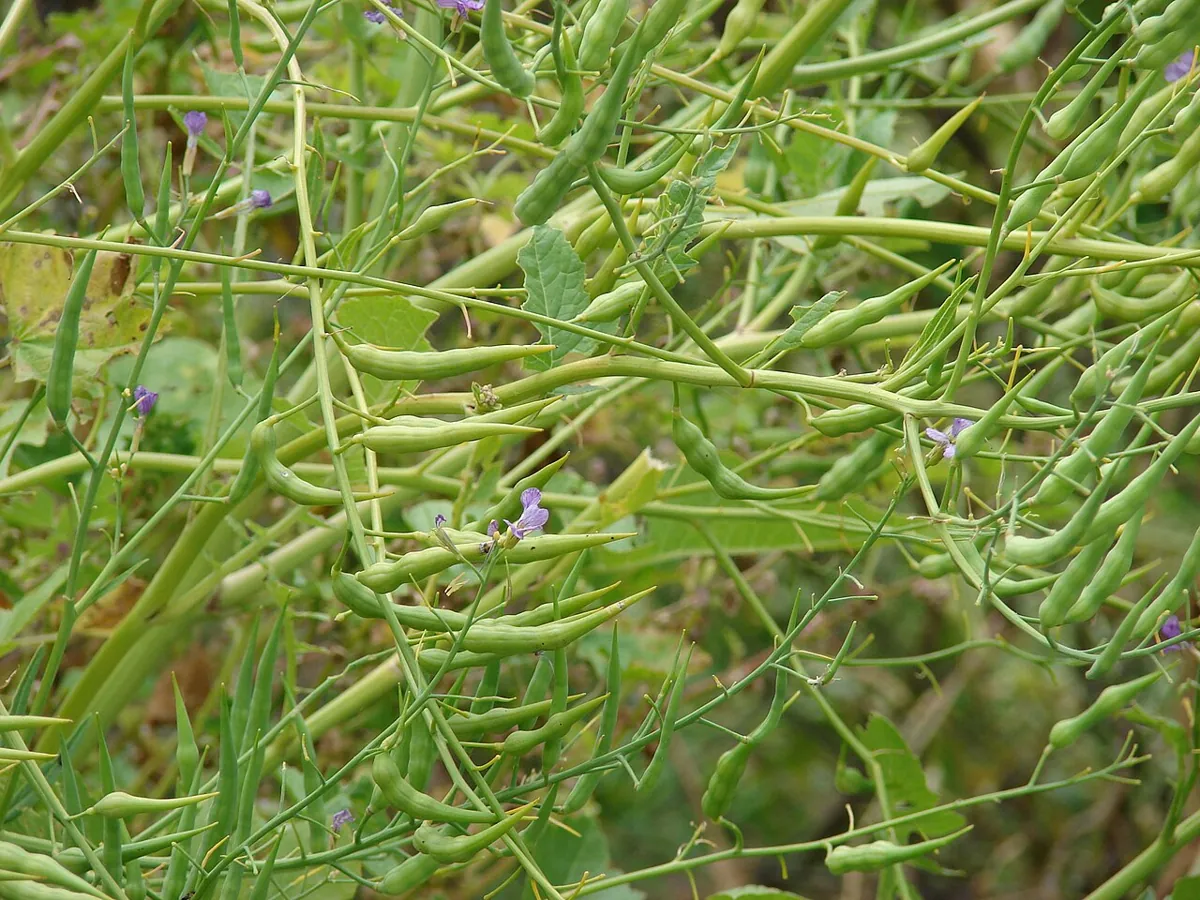
Mulaka (radish) is used in Ayurveda for piles, urinary stones, digestion and liver.
Rasa (taste)कटु (pungent)
Guna (qualities)लघु,रूक्ष,तीक्ष्ण (light, dry, sharp)
Virya (potency)उष्ण (hot)
Vipaka (post-digestive effect)कटु (pungent)
Main action (karma)अश्मरीहर (for urinary stones)
Part usedकन्द (tuber / rhizome)
Classical dose (adult)Decided by the physician only
About Mulaka
Radish is a winter vegetable; young radish is preferred.
In the classical texts
- Bhavaprakasha Nighantu (Shaka varga)Young radish described as light, kindling digestion and removing all three doshas; old radish heavy.
Synonyms (paryaya)
शालामर्कट,मरुसंभव,चाणक्यमूलक
śālāmarkaṭa,marusaṃbhava,cāṇakyamūlaka
Effect on the three doshas
VataCalms (young)
PittaNeutral
KaphaCalms
How vaidyas use it in practice
- Radish juice in piles and stones.
- Dried radish in formulas.
Simple home uses
- Young radish with meals in winter.
For minor complaints only. If a problem lasts more than a few days or is severe, see a doctor.
Well-known formulations
मूलकक्षार
mūlakakṣāra
What science says
Contains glucosinolates and vitamin C.
Safety and cautions
Can cause gas.
Who should not take it
- Mixing with milk (Ayurvedic advice)
Growing it at home
Winter crop.
Questions people ask
Is radish good for piles?
Traditionally yes.
Want to know whether this herb suits your body type? Speak to a Parijatak vaidya.Book a consultation
This page is general information from classical Ayurvedic texts and published research. It is not a prescription. Herbs act differently in different people; take any herb only after a qualified vaidya examines you, and do not stop prescribed medicines.