
Manjishtha
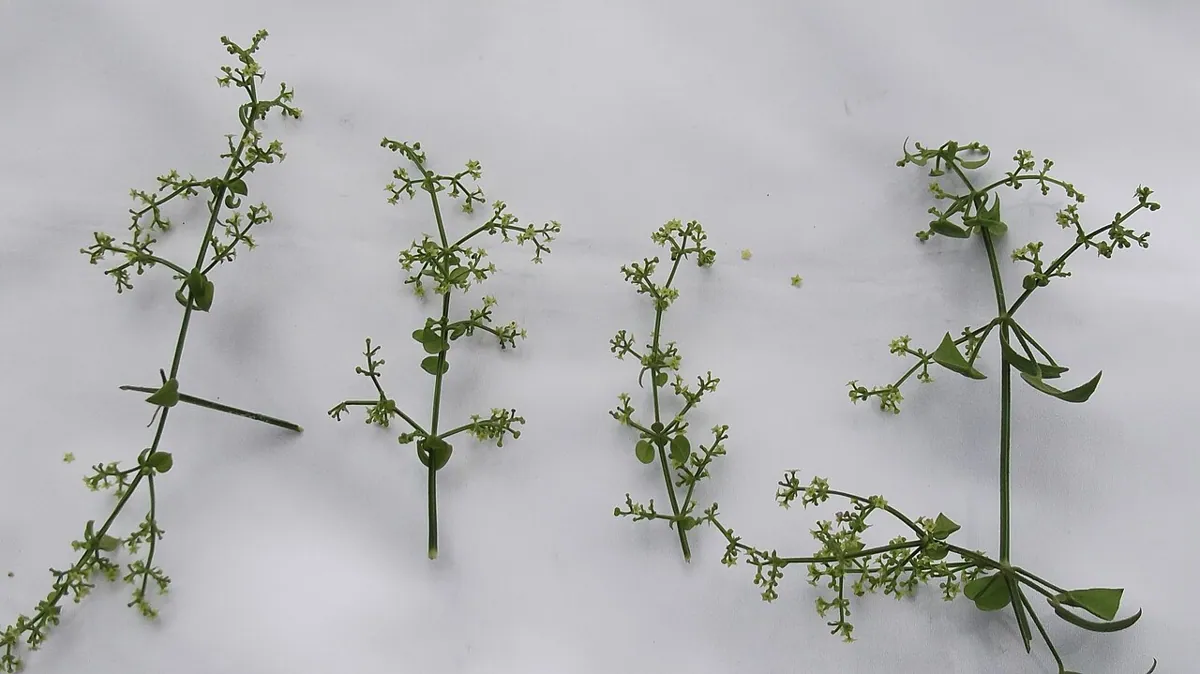
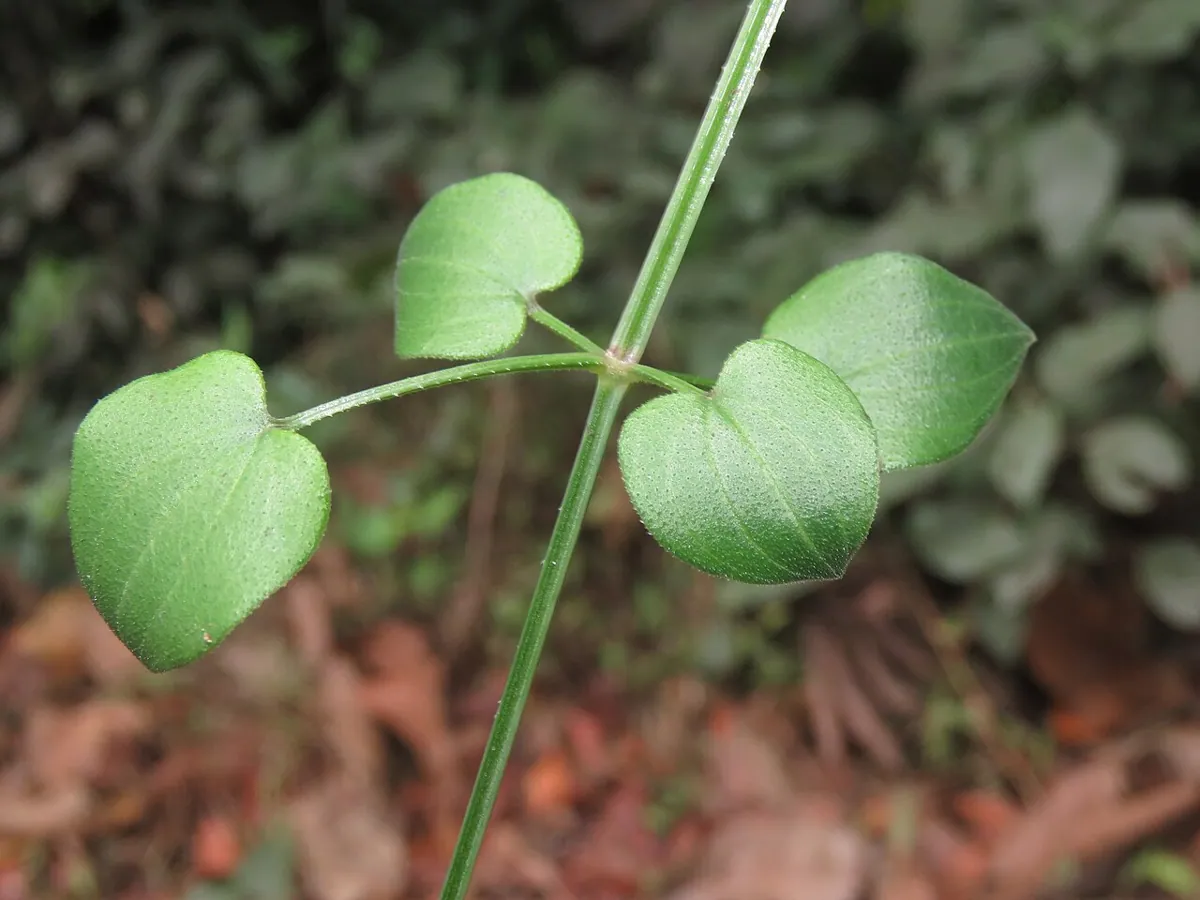
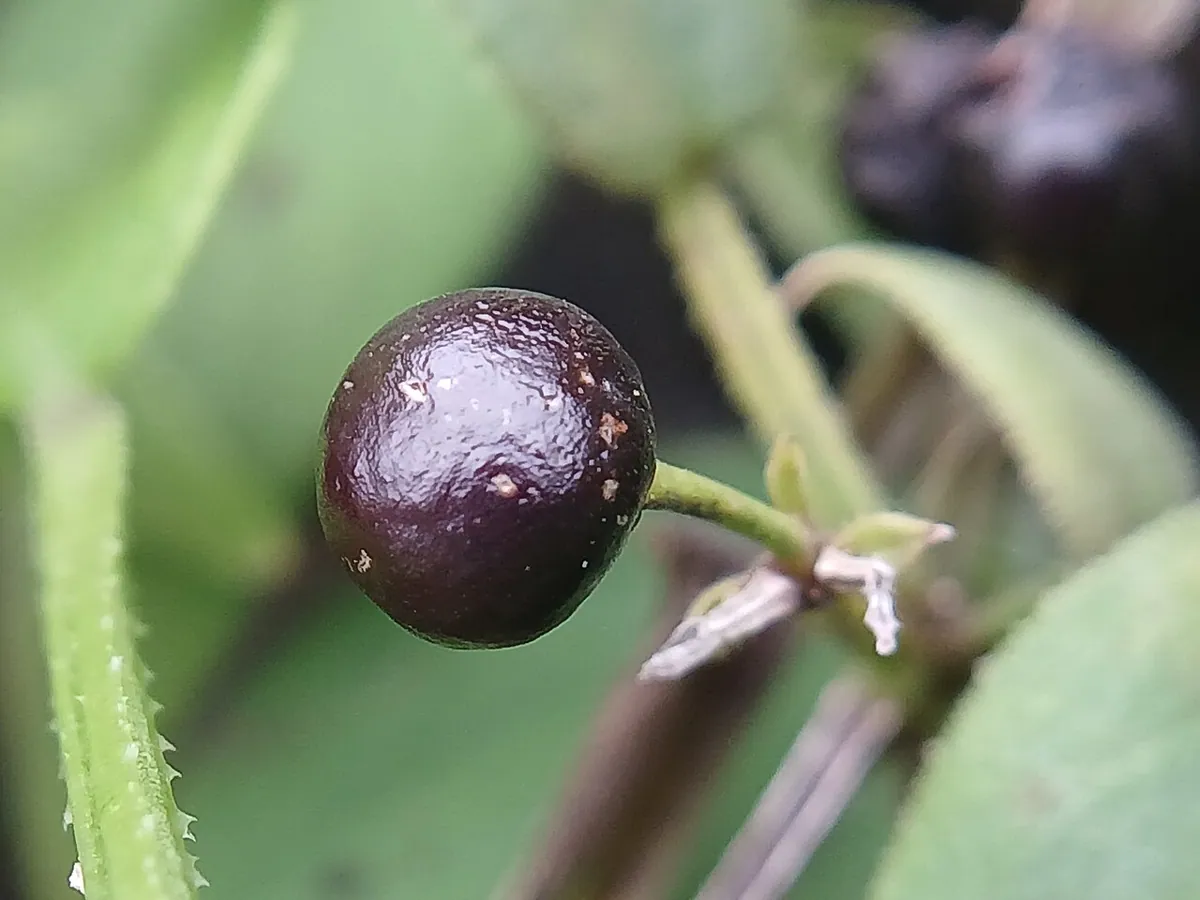
Manjishtha (Indian madder) is the leading Ayurvedic herb for blood purification: used for skin disorders, acne, pigmentation, wounds and menstrual complaints.
About Manjishtha
Manjishtha is a climbing herb of the Himalaya and hills of India whose long red roots yield a natural dye. The red root is the part used. Its colour points to its main use: Rakta (blood) and skin.
Shloka from Bhavaprakasha Nighantu
मञ्जिष्ठा मधुरा तिक्ता कषाया स्वरवर्णकृत्। गुरुरुष्णा विषश्लेष्मशोथयोन्यक्षिकर्णरुक्॥
mañjiṣṭhā madhurā tiktā kaṣāyā svaravarṇakṛt| gururuṣṇā viṣaśleṣmaśothayonyakṣikarṇaruk||
रक्तातिसारकुष्ठास्रवीसर्पव्रणमेहनुत्॥
raktātisārakuṣṭhāsravīsarpavraṇamehanut||
Meaning: Manjishtha is sweet, bitter and astringent; it improves the voice and complexion. It is heavy and hot, and removes poison, Kapha, swelling, diseases of the female reproductive tract, eyes and ears, bloody diarrhoea, skin disease, blood disorders, erysipelas, wounds and prameha.
Bhavaprakasha Nighantu, Haritakyadi varga
In the classical texts
- Charaka Samhita (Sutrasthana 4)Included in the Jvaraghna, Varnya (complexion) and Vishaghna groups.
- Sushruta SamhitaUsed widely in wound oils and in Rakta-shodhana (blood purification).
- Bhavaprakasha Nighantu (Haritakyadi varga)Described with the shloka above.
Synonyms (paryaya)
विकसा,योजनवल्ली,मंजीठ
vikasā,yojanavallī,maṃjīṭha
Classical indications
स्वरवर्णकर, विष, कफ, शोथ, योनिरोग, कर्णरोग, रक्तदोष, विसर्प, व्रण, प्रमेहहर
svaravarṇakara, viṣa, kapha, śotha, yoniroga, karṇaroga, raktadoṣa, visarpa, vraṇa, pramehahara
Effect on the three doshas
How vaidyas use it in practice
- Manjishthadi kwatha or Mahamanjishthadi kwatha in skin disease, acne and itching, under guidance.
- Manjishtha with honey or rose water as a face pack for pigmentation and blemishes.
- In Jatyadi taila and other wound oils.
- In menstrual complaints of a Pitta-Rakta type, as decided by the vaidya.
- In Kumkumadi taila for complexion.
Simple home uses
- Manjishtha powder with rose water as a face pack, washed off after 15 minutes.
For minor complaints only. If a problem lasts more than a few days or is severe, see a doctor.
Well-known formulations
मंजिष्ठादि-चूर्ण-क्वाथ
maṃjiṣṭhādi-cūrṇa-kvātha
What science says
The roots contain anthraquinones (purpurin, munjistin, alizarin-type compounds) and naphthoquinones (mollugin). Laboratory studies show anti-inflammatory, antioxidant and skin-lightening effects. Clinical trials are few.
Safety and cautions
It can turn urine reddish, which is harmless. Avoid in pregnancy and with blood thinners unless the doctor agrees. Some anthraquinones are being studied for long-term safety, so long unsupervised use is not advised.
Who should not take it
- Pregnancy
- With blood thinners, without the doctor's advice
- Long unsupervised internal use
How to identify it, and common adulterants
Good roots are long, thin, red outside and deep red inside, and stain water red. Dull, brownish pieces are old or adulterated with other Rubia species.
Growing it at home
A Himalayan and hill climber; not suited to Vidarbha's plains.
Questions people ask
Why does urine turn red with Manjishtha?
Its natural red pigments pass into urine. It is harmless and stops when the herb is stopped.
Is Manjishtha good for acne?
It is one of the main herbs used for acne and blemishes, internally and as a face pack, as the vaidya decides.
This page is general information from classical Ayurvedic texts and published research. It is not a prescription. Herbs act differently in different people; take any herb only after a qualified vaidya examines you, and do not stop prescribed medicines.