
Madanaphala
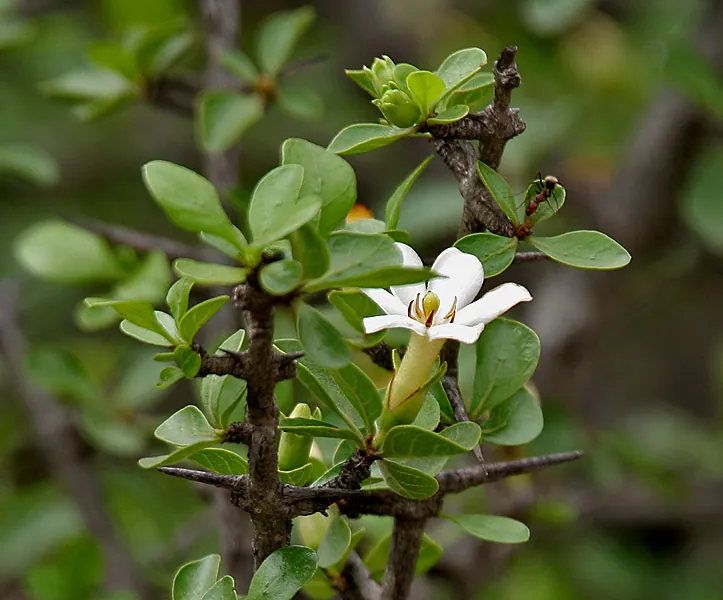
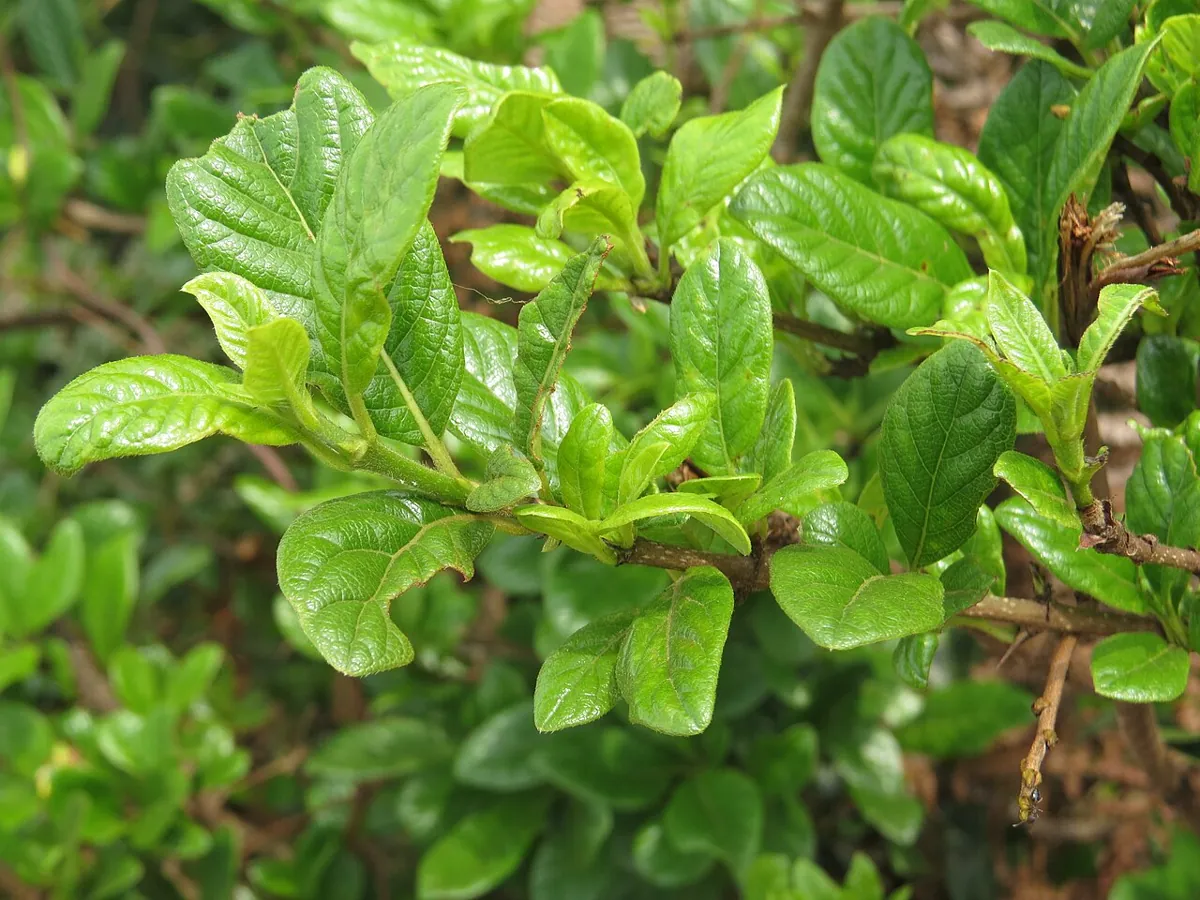
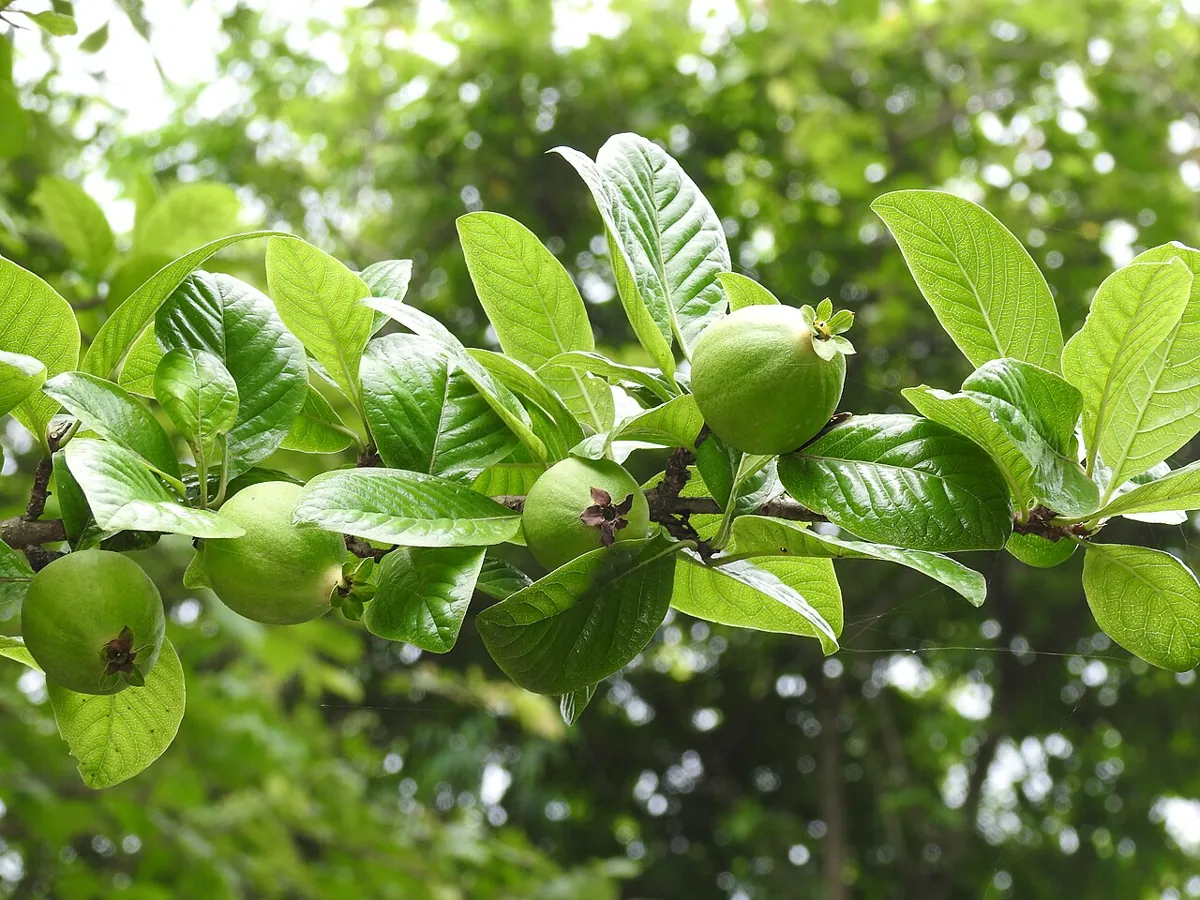
Madanaphala is the classical emetic fruit used in Vamana (therapeutic vomiting) in Panchakarma, only by trained physicians.
About Madanaphala
Madanaphala is a thorny shrub of dry forests whose fruits are the best emetic in Ayurveda. Charaka begins the Kalpasthana with it.
Shloka from Bhavaprakasha Nighantu
मदनो मधुरस्तिक्तो वीर्योष्णो लेखनो लघुः। वान्तिकृद्विद्रधिहरः प्रतिश्यायव्रणान्तकः॥
madano madhurastikto vīryoṣṇo lekhano laghuḥ| vāntikṛdvidradhiharaḥ pratiśyāyavraṇāntakaḥ||
रूक्षः कुष्ठकफानाहशोथगुल्मव्रणापहः॥
rūkṣaḥ kuṣṭhakaphānāhaśothagulmavraṇāpahaḥ||
Meaning: Madana is sweet and bitter, hot in potency, scraping and light. It causes vomiting, removes abscess, cold and wounds; it is dry and removes skin disease, Kapha, bloating, swelling, gulma and wounds.
Bhavaprakasha Nighantu
In the classical texts
- Charaka Samhita (Kalpasthana 1)Madanaphala kalpa: the best emetic.
- Charaka Samhita (Sutrasthana 25)Named the best among emetics.
- Bhavaprakasha NighantuDescribed with the shloka above.
Synonyms (paryaya)
छर्दन,पिण्डी,शल्यक,विषपुष्पक,मैनफल
chardana,piṇḍī,śalyaka,viṣapuṣpaka,mainaphala
Classical indications
लेखन, वामक, विद्रधिहर, प्रतिश्याय, व्रण, कुष्ठ, कफ, आनाह, गुल्म
lekhana, vāmaka, vidradhihara, pratiśyāya, vraṇa, kuṣṭha, kapha, ānāha, gulma
Effect on the three doshas
How vaidyas use it in practice
- In Vamana therapy for Kapha disorders such as asthma, psoriasis and obesity, by Panchakarma physicians.
Simple home uses
- Never at home.
For minor complaints only. If a problem lasts more than a few days or is severe, see a doctor.
Well-known formulations
१३३ योग च०क० १
133 yoga ca0ka0 1
What science says
Contains triterpenoid saponins that irritate the stomach and induce vomiting.
Safety and cautions
Only for supervised Vamana.
Who should not take it
- Pregnancy
- Children
- Heart disease
- Weakness
How to identify it, and common adulterants
Round yellowish fruits with a hard shell.
Growing it at home
Not for home.
Questions people ask
What is Vamana?
Therapeutic vomiting under supervision, part of Panchakarma.
This page is general information from classical Ayurvedic texts and published research. It is not a prescription. Herbs act differently in different people; take any herb only after a qualified vaidya examines you, and do not stop prescribed medicines.