
Lavanga
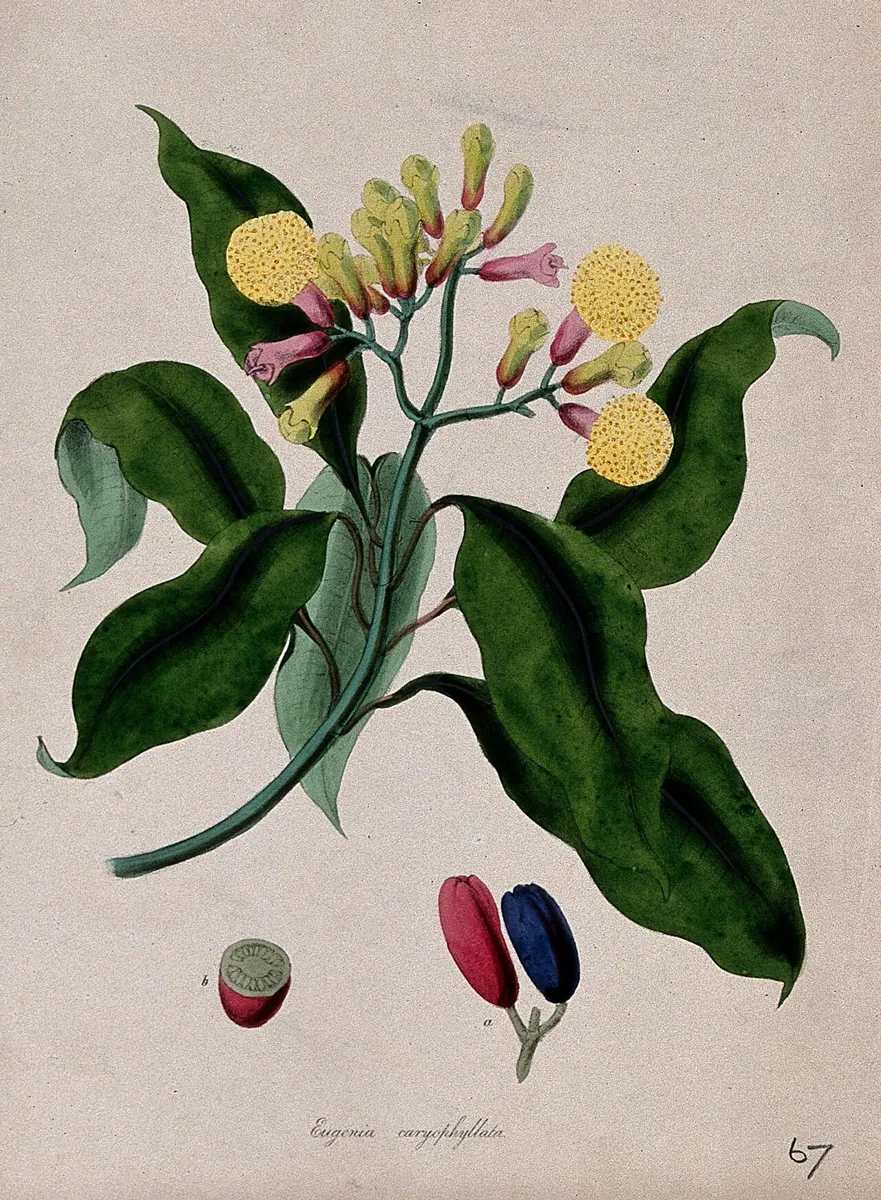
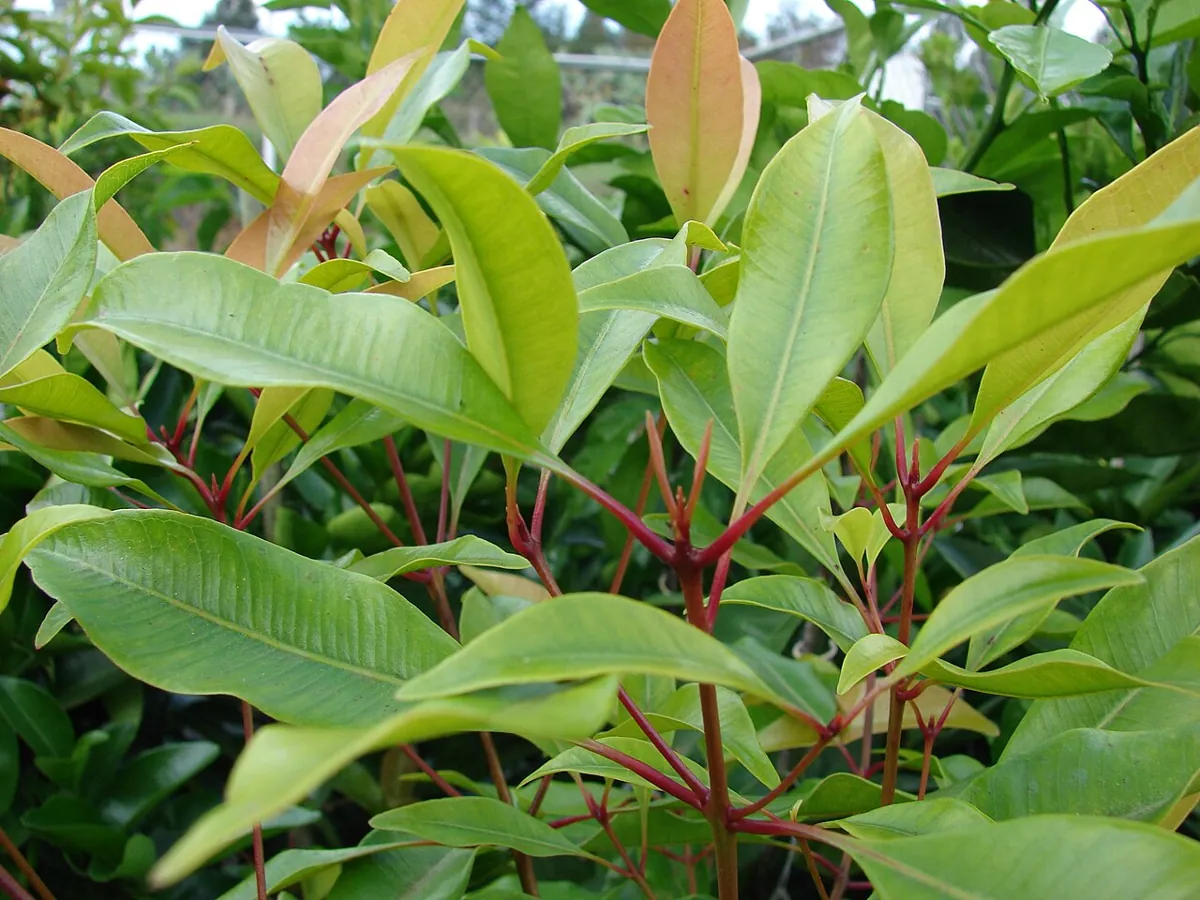
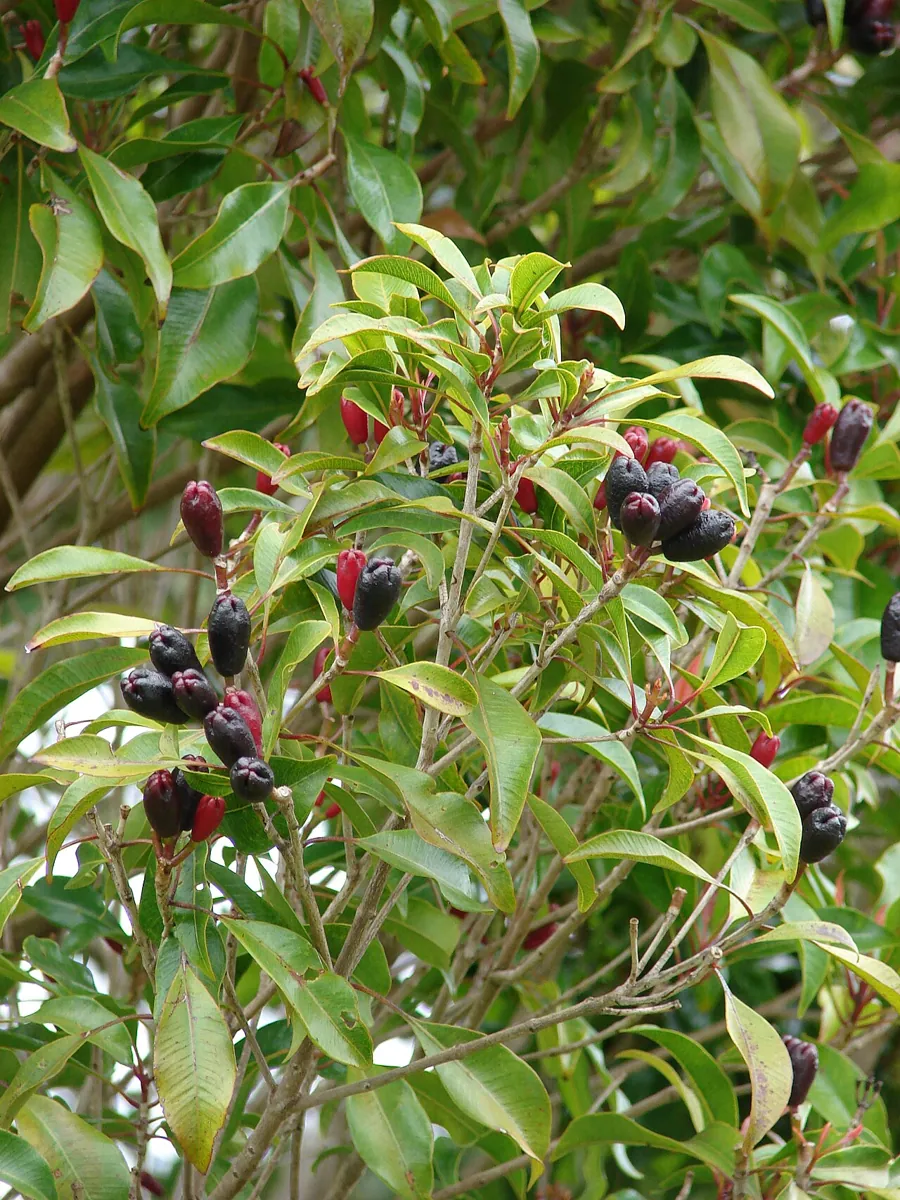
Lavanga (clove) is a light, cooling-yet-pungent spice used in Ayurveda for toothache, cough, nausea, hiccups and poor digestion.
About Lavanga
Clove is the dried flower bud of an evergreen tree native to Indonesia, now grown in Kerala and Tamil Nadu. In Ayurveda it is classed as cold in potency despite its sharp taste, and is used for both Kapha and Pitta conditions of the mouth, throat and stomach.
Shloka from Bhavaprakasha Nighantu
लवङ्गं कटुकं तिक्तं लघु नेत्रहितं हिमम्। दीपनं पाचनं रुच्यं कफपित्तास्रनाशकृत्॥
lavaṅgaṃ kaṭukaṃ tiktaṃ laghu netrahitaṃ himam| dīpanaṃ pācanaṃ rucyaṃ kaphapittāsranāśakṛt||
तृष्णां छर्दिं तथाऽऽध्मानं शूलमाशु विनाशयेत्। कासं श्वासं च हिक्कां च क्षयं क्षपयति ध्रुवम्॥
tṛṣṇāṃ chardiṃ tathā''dhmānaṃ śūlamāśu vināśayet| kāsaṃ śvāsaṃ ca hikkāṃ ca kṣayaṃ kṣapayati dhruvam||
Meaning: Clove is pungent, bitter, light, good for the eyes and cold. It kindles and digests, improves taste, and destroys Kapha, Pitta and blood disorders. It quickly removes thirst, vomiting, bloating and colic, and surely relieves cough, breathlessness, hiccup and wasting.
Bhavaprakasha Nighantu, Karpuradi varga
In the classical texts
- Bhavaprakasha Nighantu (Karpuradi varga)Described with the shloka above.
- Later formulasLavangadi vati for cough and throat, and clove in many digestive powders such as Lavangadi churna.
Synonyms (paryaya)
देवकुसम,श्रीप्रसून,चन्दनपुष्पक,वारिज
devakusama,śrīprasūna,candanapuṣpaka,vārija
Classical indications
चक्षुष्य, कफपित्तशामक, तृष्णा, छर्दि, आध्मान, शूलहर, कास, श्वास, हिक्का, क्षय, अम्लपित्तहर, दन्तपीङाहर
cakṣuṣya, kaphapittaśāmaka, tṛṣṇā, chardi, ādhmāna, śūlahara, kāsa, śvāsa, hikkā, kṣaya, amlapittahara, dantapīṅāhara
Effect on the three doshas
How vaidyas use it in practice
- Lavangadi vati sucked for cough and sore throat.
- Clove oil on a cotton bud for toothache until the dentist can be seen.
- In Avipattikara churna and other digestive formulas.
- Clove with honey for hiccups.
Simple home uses
- Keep one clove in the mouth for a dry cough or bad breath.
- A drop of clove oil on a painful tooth (do not swallow the oil).
- One or two cloves in tea for a cold.
For minor complaints only. If a problem lasts more than a few days or is severe, see a doctor.
Well-known formulations
अविपत्तिकर चूर्ण
avipattikara cūrṇa
What science says
Cloves contain about 15–20% essential oil, mostly eugenol, which is an effective local anaesthetic and antiseptic used in dentistry. Laboratory studies show antimicrobial and antioxidant effects.
Safety and cautions
Clove oil is strong; undiluted oil can burn the mouth and must never be given by mouth to children. Large amounts can affect blood clotting.
Who should not take it
- Children (clove oil by mouth)
- Bleeding disorders or blood thinners (large amounts)
- Pregnancy (medicinal doses)
How to identify it, and common adulterants
Good cloves are dark reddish-brown, oily, with an intact round head; pressed with a fingernail they release oil. Exhausted cloves (oil removed) are shrivelled and weak in smell.
Growing it at home
Needs a hot, humid, coastal climate; it does not grow in Vidarbha outdoors.
Questions people ask
Is clove good for toothache?
Clove oil gives short-term relief from toothache. See a dentist for the cause.
Why is clove called cold in Ayurveda?
Bhavaprakasha classes it as hima (cold) in potency despite its pungent taste, so it suits Pitta conditions too.
This page is general information from classical Ayurvedic texts and published research. It is not a prescription. Herbs act differently in different people; take any herb only after a qualified vaidya examines you, and do not stop prescribed medicines.