
Langali
लांगली
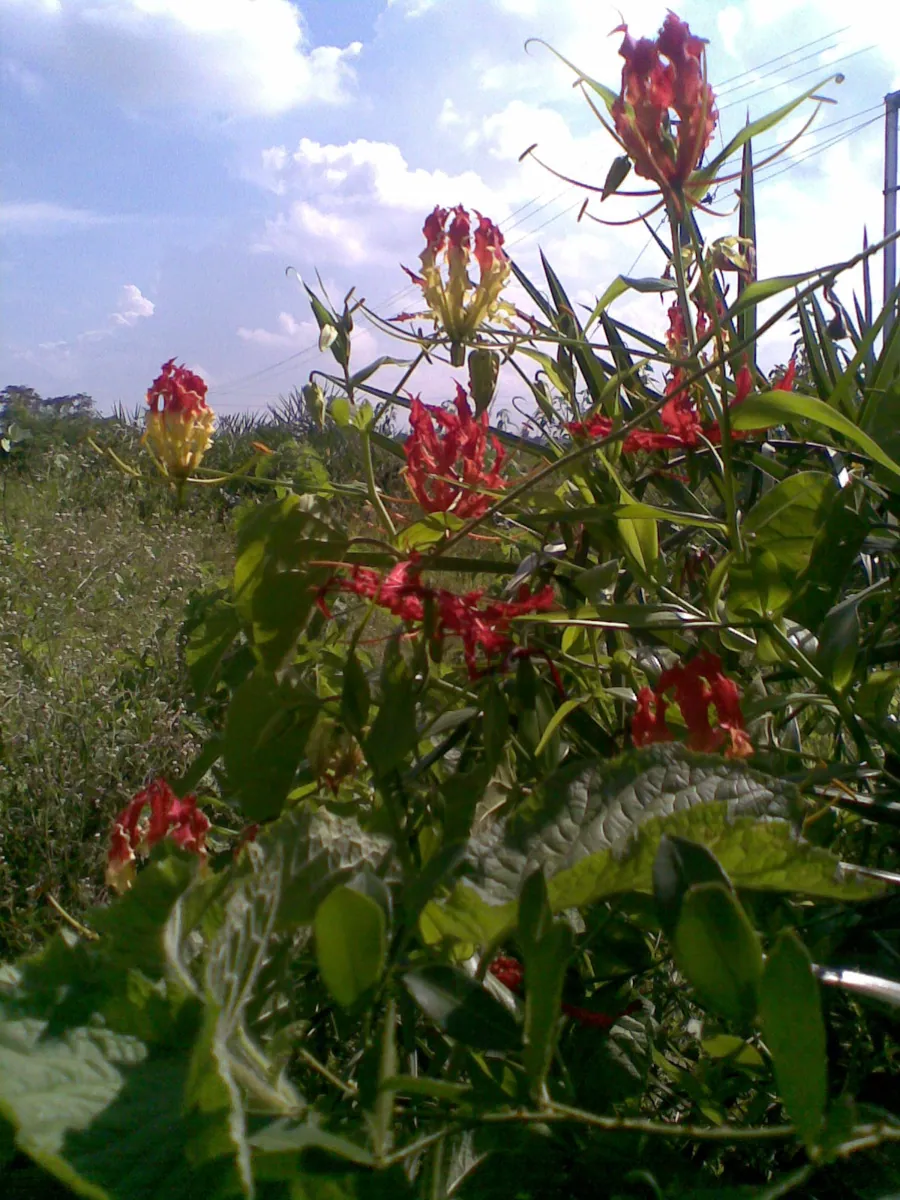
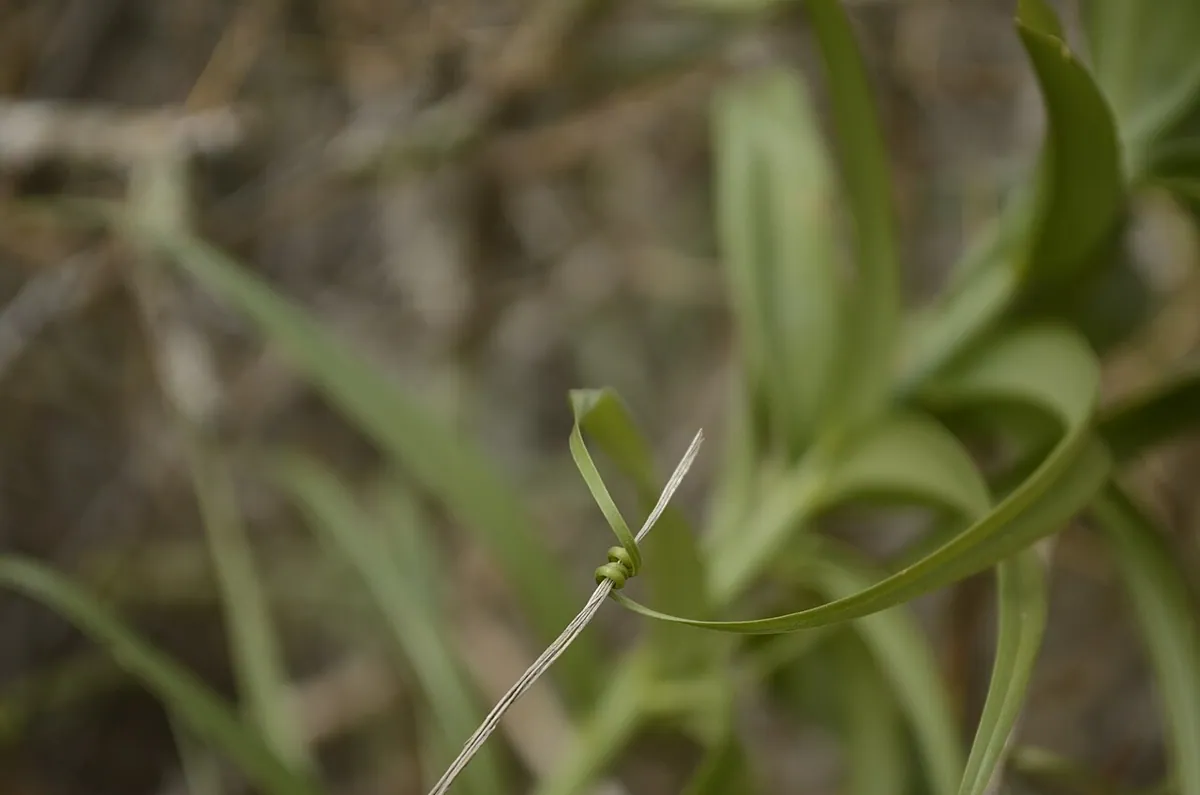
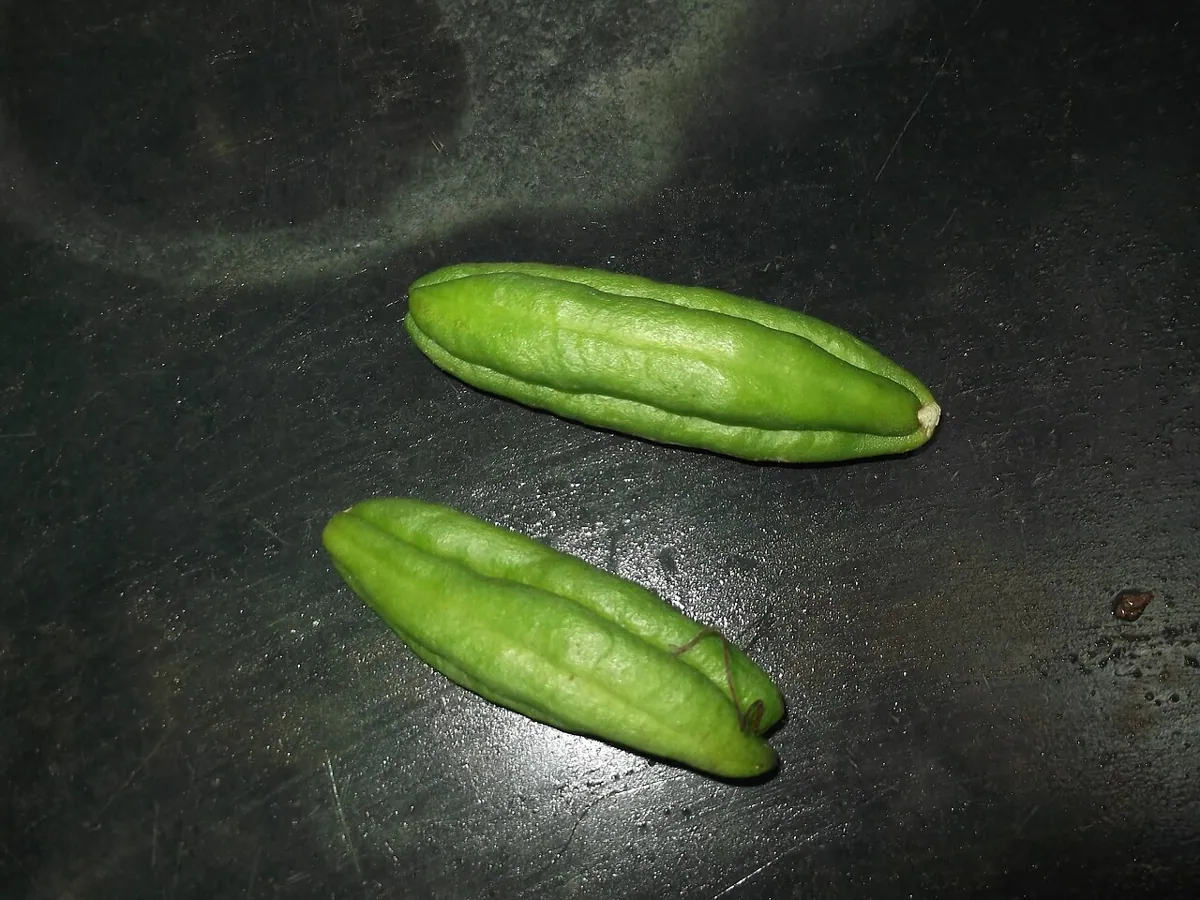
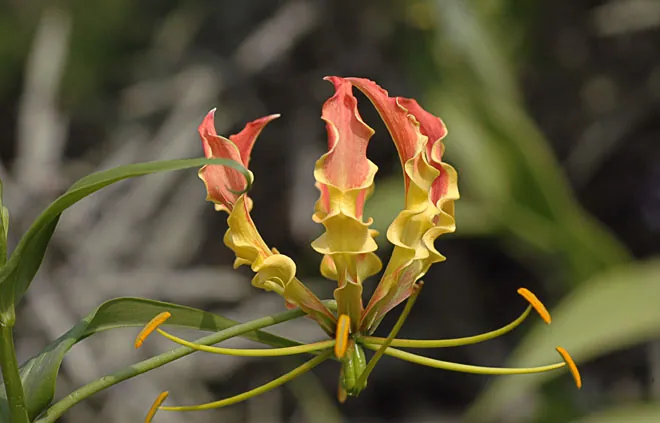
Langali (glory lily) is a poisonous tuber used in Ayurveda only externally or in purified, prescribed doses.
Caution. Classified as Visha or Upavisha (poisonous or semi-poisonous) or as strongly acting. It is used in Ayurveda only after classical purification (Shodhana) and only by a qualified physician. Never use it at home.
Rasa (taste)कटु,तिक्त (pungent, bitter)
Guna (qualities)लघु,तीक्ष्ण (light, sharp)
Virya (potency)उष्ण (hot)
Vipaka (post-digestive effect)कटु (pungent)
Main action (karma)गर्भशय संकोचक (uterine contracting)
Part usedकन्द (tuber / rhizome)
Classical dose (adult)Decided by the physician only
About Langali
Langali has flame-like red-yellow flowers; Tamil Nadu's state flower. Its tuber is deadly.
In the classical texts
- Bhavaprakasha NighantuListed among Upavisha.
Synonyms (paryaya)
कलिहारी,अग्निशिखा,गर्भनुत
kalihārī,agniśikhā,garbhanuta
How vaidyas use it in practice
- Externally in joint pain, prescribed only.
Simple home uses
- Never eat the tuber.
For minor complaints only. If a problem lasts more than a few days or is severe, see a doctor.
What science says
Contains colchicine, which is toxic in small amounts.
Safety and cautions
Deadly poisonous.
Who should not take it
- Any internal use
- Pregnancy
How to identify it, and common adulterants
Wavy red-yellow flowers; V-shaped tuber.
Growing it at home
Avoid near children.
Questions people ask
Is it poisonous?
Yes.
Want to know whether this herb suits your body type? Speak to a Parijatak vaidya.Book a consultation
This page is general information from classical Ayurvedic texts and published research. It is not a prescription. Herbs act differently in different people; take any herb only after a qualified vaidya examines you, and do not stop prescribed medicines.