
Kutaja
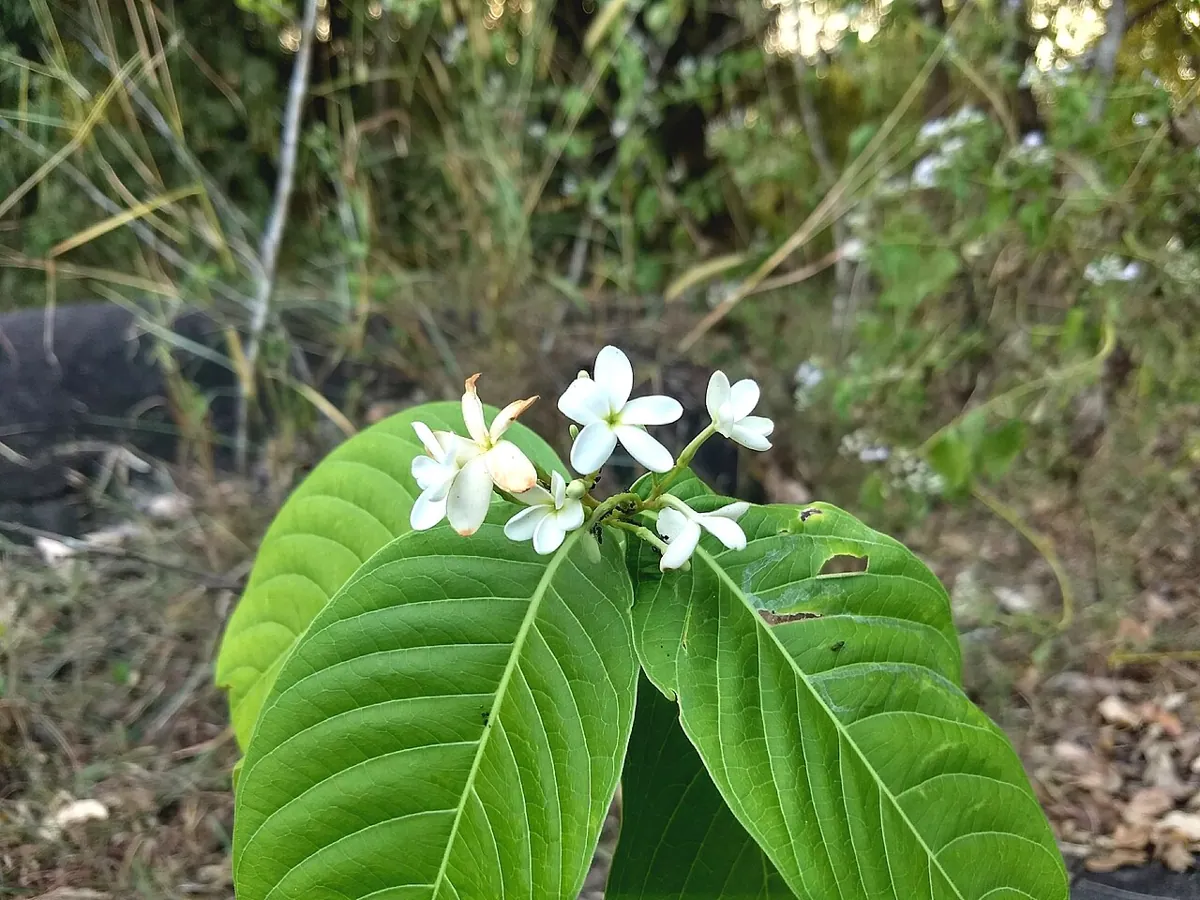
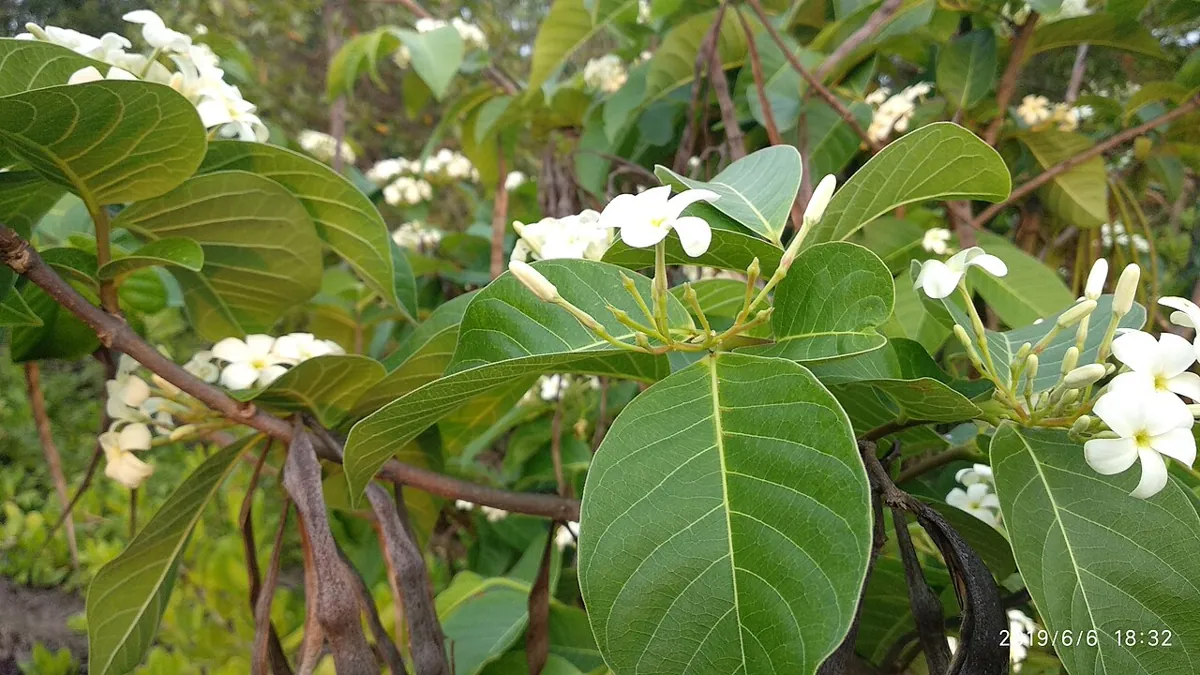
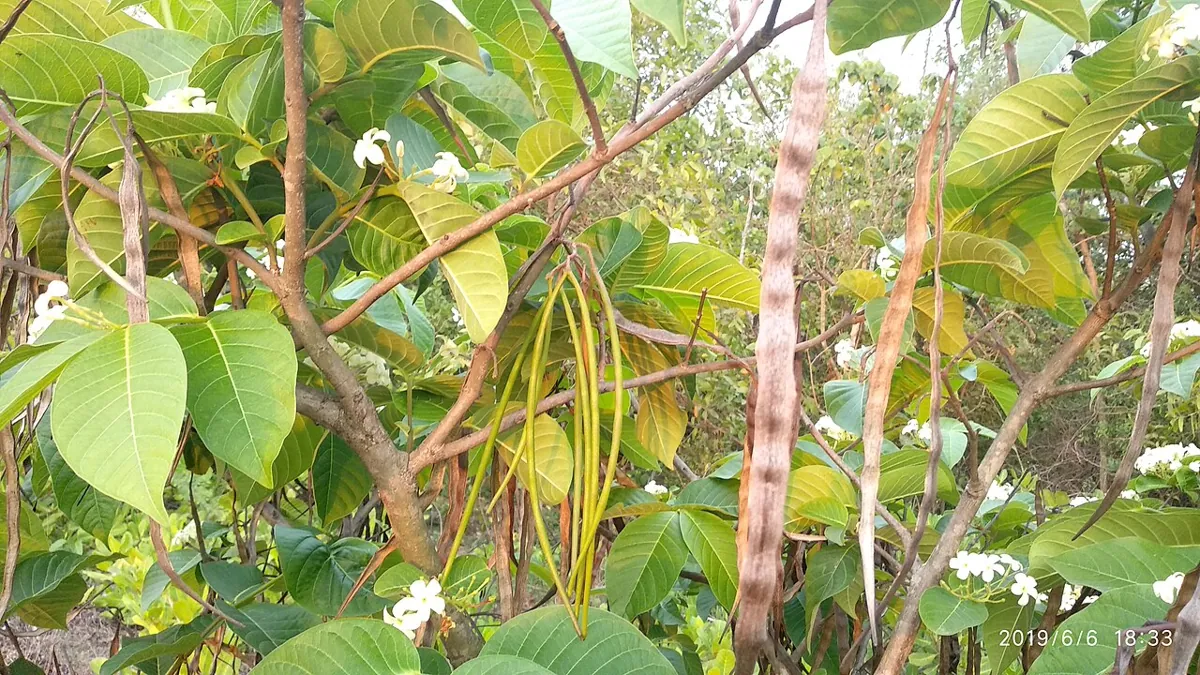
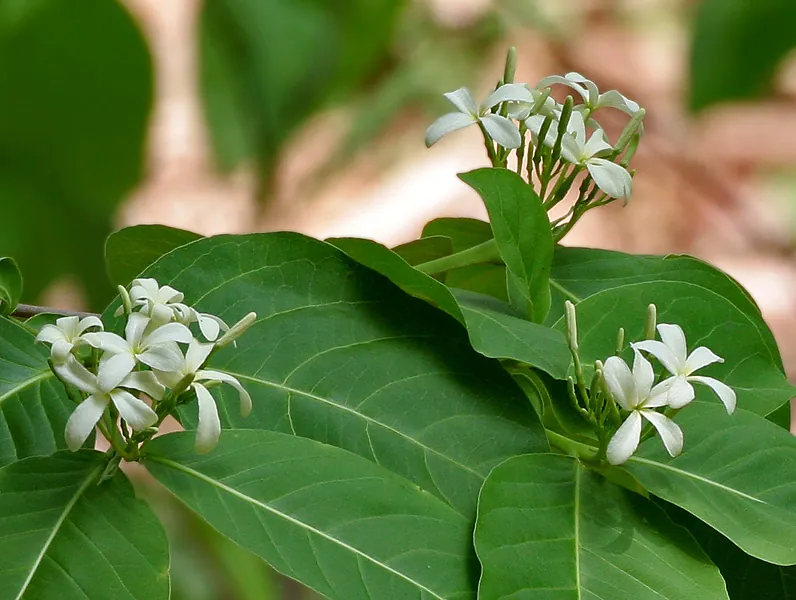
Kutaja (kurchi) is Ayurveda's leading bark for diarrhoea, dysentery and bleeding piles, with its seeds (Indrayava) used for similar conditions.
About Kutaja
Kutaja is a small deciduous tree of the dry forests of India, including Vidarbha, with white fragrant flowers and long paired pods. The bark is the main medicine; the seeds are called Indrayava. Charaka devotes a whole chapter (Kalpasthana 5) to it.
Shloka from Bhavaprakasha Nighantu
कुटजः कटुको रूक्षो दीपनस्तुवरो हिमः। अर्शोऽतिसारपित्तास्रकफतृष्णामकुष्ठनुत्॥
kuṭajaḥ kaṭuko rūkṣo dīpanastuvaro himaḥ| arśo'tisārapittāsrakaphatṛṣṇāmakuṣṭhanut||
Meaning: Kutaja is pungent (bitter), dry, kindles digestion, astringent and cold. It removes piles, diarrhoea, Pitta-Rakta disorders, Kapha, thirst, ama and skin disease.
Bhavaprakasha Nighantu
In the classical texts
- Charaka Samhita (Sutrasthana 4)Included in the Arshoghna and Kandughna groups.
- Charaka Samhita (Kalpasthana 5)Kutaja kalpa describes its use in therapeutic emesis and its many preparations.
- Charaka Samhita (Sutrasthana 25)Named the best among herbs that dry up excess fluid (shleshma-pitta) in diarrhoea.
- Bhavaprakasha NighantuDescribed with the shloka above.
Synonyms (paryaya)
गिरीमल्लिका,वत्सक,कलिंग,इन्द्रवृक्ष,कुङा
girīmallikā,vatsaka,kaliṃga,indravṛkṣa,kuṅā
Classical indications
अर्श, अतिसार, पित्तरक्त, कफ, तृष्णा, आम, कुष्ठहर
arśa, atisāra, pittarakta, kapha, tṛṣṇā, āma, kuṣṭhahara
Effect on the three doshas
How vaidyas use it in practice
- Kutajarishta or Kutaja ghanavati in diarrhoea and dysentery, as advised.
- Kutaja in bleeding piles, with other herbs.
- In IBS with loose stools and mucus.
- Kutajavaleha for chronic diarrhoea.
- Bark decoction as a wash for skin conditions.
Simple home uses
- Not a home remedy; diarrhoea with blood or high fever needs a doctor.
For minor complaints only. If a problem lasts more than a few days or is severe, see a doctor.
Well-known formulations
कुटजा-रिष्ट-अवलेह-सुरा
kuṭajā-riṣṭa-avaleha-surā
What science says
The bark contains steroidal alkaloids, chiefly conessine, which acts against amoebae and some bacteria. It was used as 'conessi bark' in Western pharmacopoeias for amoebic dysentery. Human studies are mostly old.
Safety and cautions
High doses of the alkaloids can cause restlessness, dizziness and stomach upset. Persistent diarrhoea, blood in stools or dehydration need a doctor's examination. Avoid in pregnancy unless prescribed.
Who should not take it
- Pregnancy
- Constipation
- Dehydration (treat with fluids first)
How to identify it, and common adulterants
The bark is brownish, rough outside and very bitter. Wrightia tinctoria bark ('sweet Indrajau') is often substituted and is not the same.
Growing it at home
A small deciduous tree of dry forests; it grows from seed in poor soil.
Questions people ask
Is Kutaja good for amoebic dysentery?
It has a long history in amoebic dysentery, but stool tests and medical care come first. Use it under the doctor's guidance.
What is Indrayava?
The seeds of Kutaja, used in diarrhoea, fever and piles.
This page is general information from classical Ayurvedic texts and published research. It is not a prescription. Herbs act differently in different people; take any herb only after a qualified vaidya examines you, and do not stop prescribed medicines.