
Kushmanda
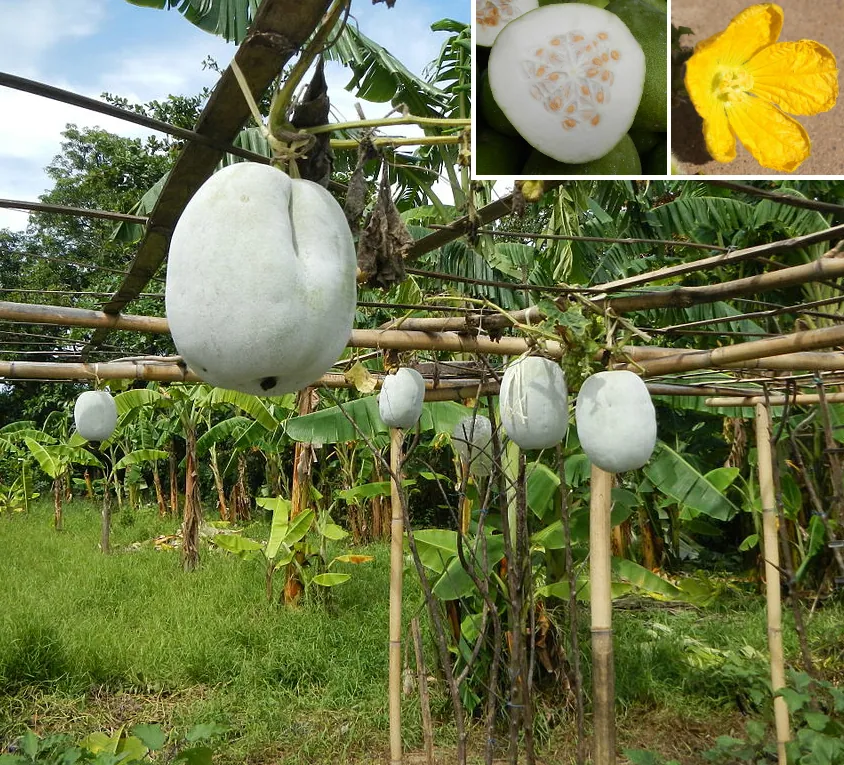
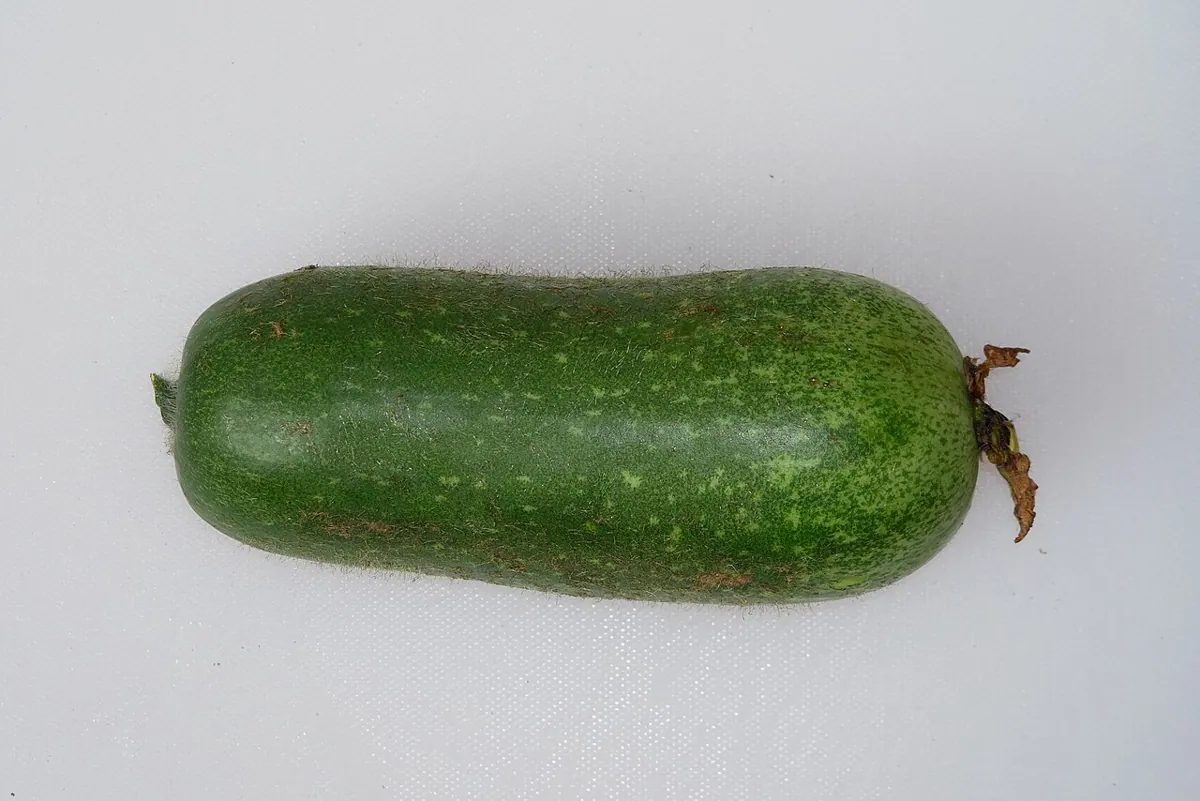
Kushmanda (ash gourd) is a cooling, nourishing vegetable used in Ayurveda for acidity, weakness, mental calm and as Kushmanda avaleha.
About Kushmanda
Ash gourd is a large winter melon with a waxy white coat, grown across India. Petha sweet is made from it. In Ayurveda it is a medhya, nourishing food.
In the classical texts
- Bhavaprakasha Nighantu (Shaka varga)Described as nourishing, aphrodisiac, heavy and removing Pitta, blood disorders and Vata.
- Classical formulasKushmanda avaleha for weakness and bleeding disorders.
Synonyms (paryaya)
पुष्पफल,वल्लीफल,बृहतफल
puṣpaphala,vallīphala,bṛhataphala
Classical indications
बल्य, बस्तिशोधक, मेध्य, अम्लपित्तहर, पित्तशामक, वृष्य, त्रिदोषहर
balya, bastiśodhaka, medhya, amlapittahara, pittaśāmaka, vṛṣya, tridoṣahara
Effect on the three doshas
How vaidyas use it in practice
- Ash gourd juice for acidity and heat.
- Kushmanda avaleha for weakness and cough with blood.
- In mental restlessness as food.
Simple home uses
- Fresh ash gourd juice (half a glass) in the morning in summer.
For minor complaints only. If a problem lasts more than a few days or is severe, see a doctor.
Well-known formulations
कूष्माण्ड-घृत
kūṣmāṇḍa-ghṛta
What science says
Mostly water and fibre with flavonoids. Animal studies show anti-ulcer and calming effects.
Safety and cautions
Very safe as food; may cause chills in cold weather.
Who should not take it
- Severe cold and cough
How to identify it, and common adulterants
Large green gourd with a white waxy coat.
Growing it at home
Grows as a monsoon climber.
Questions people ask
Is ash gourd juice good for acidity?
It is traditionally used for heat and acidity.
This page is general information from classical Ayurvedic texts and published research. It is not a prescription. Herbs act differently in different people; take any herb only after a qualified vaidya examines you, and do not stop prescribed medicines.