
Kumkuma (Kesara)
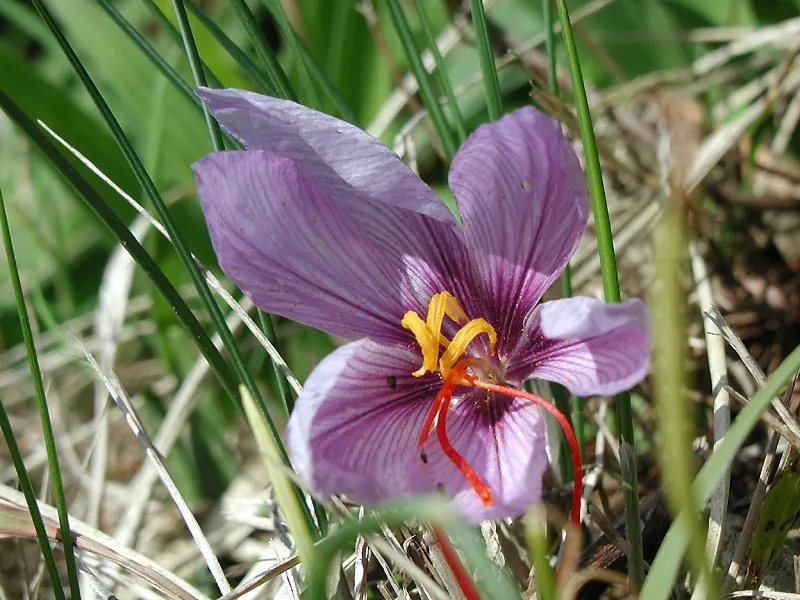
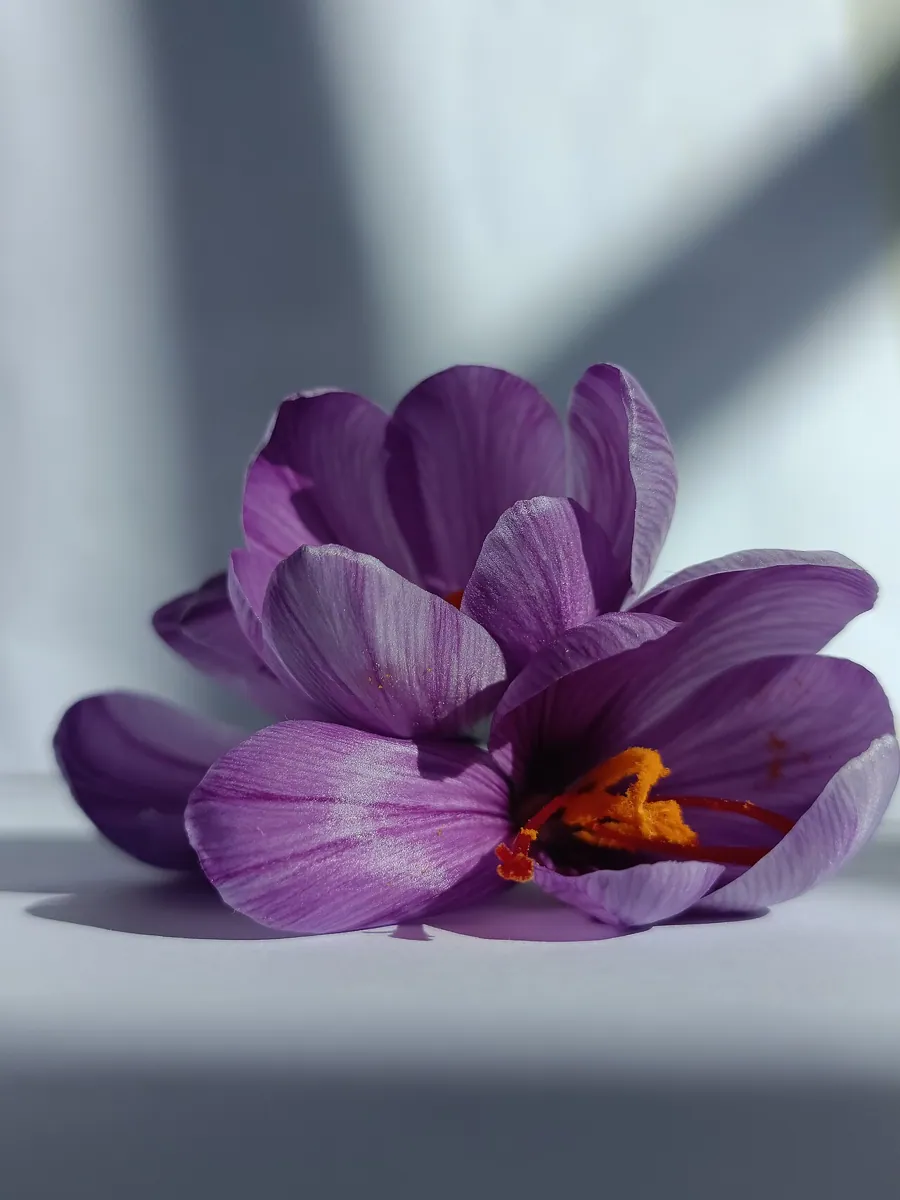
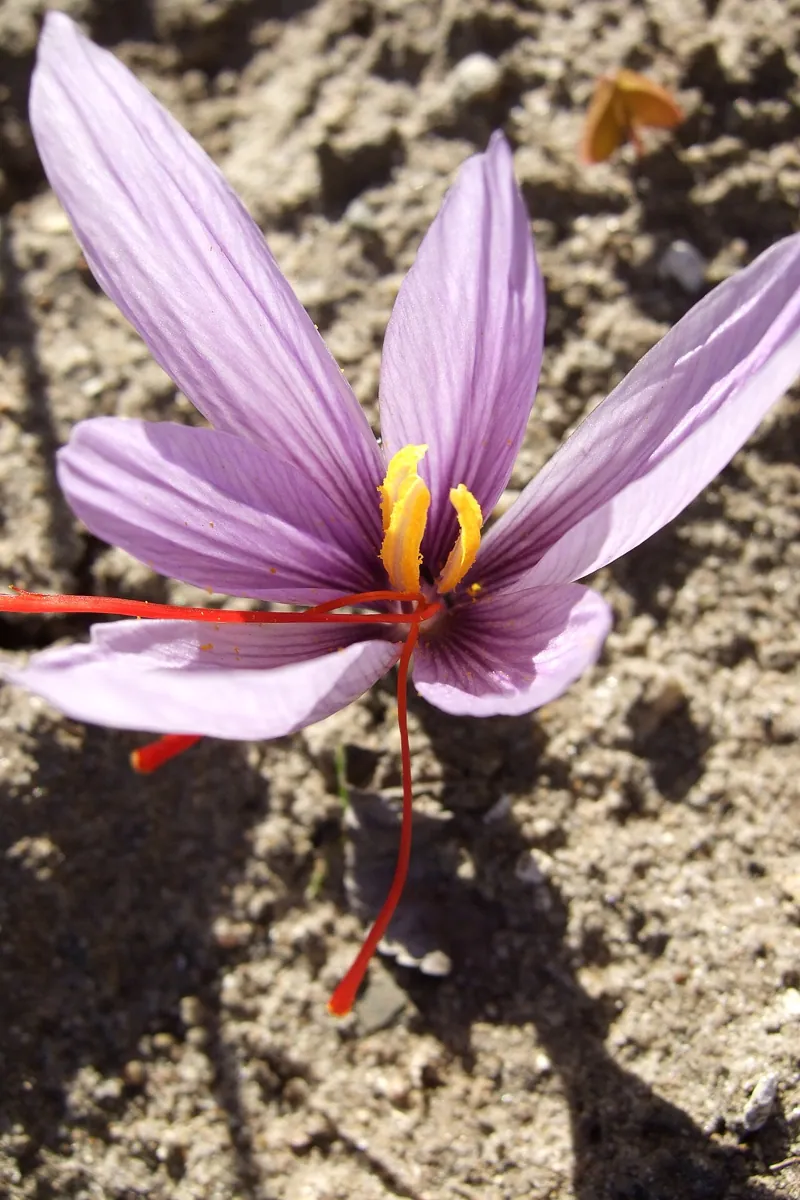
Kumkuma (saffron) is a precious stigma used in Ayurveda for complexion, mood, menstrual health, headache and as a rasayana.
About Kumkuma (Kesara)
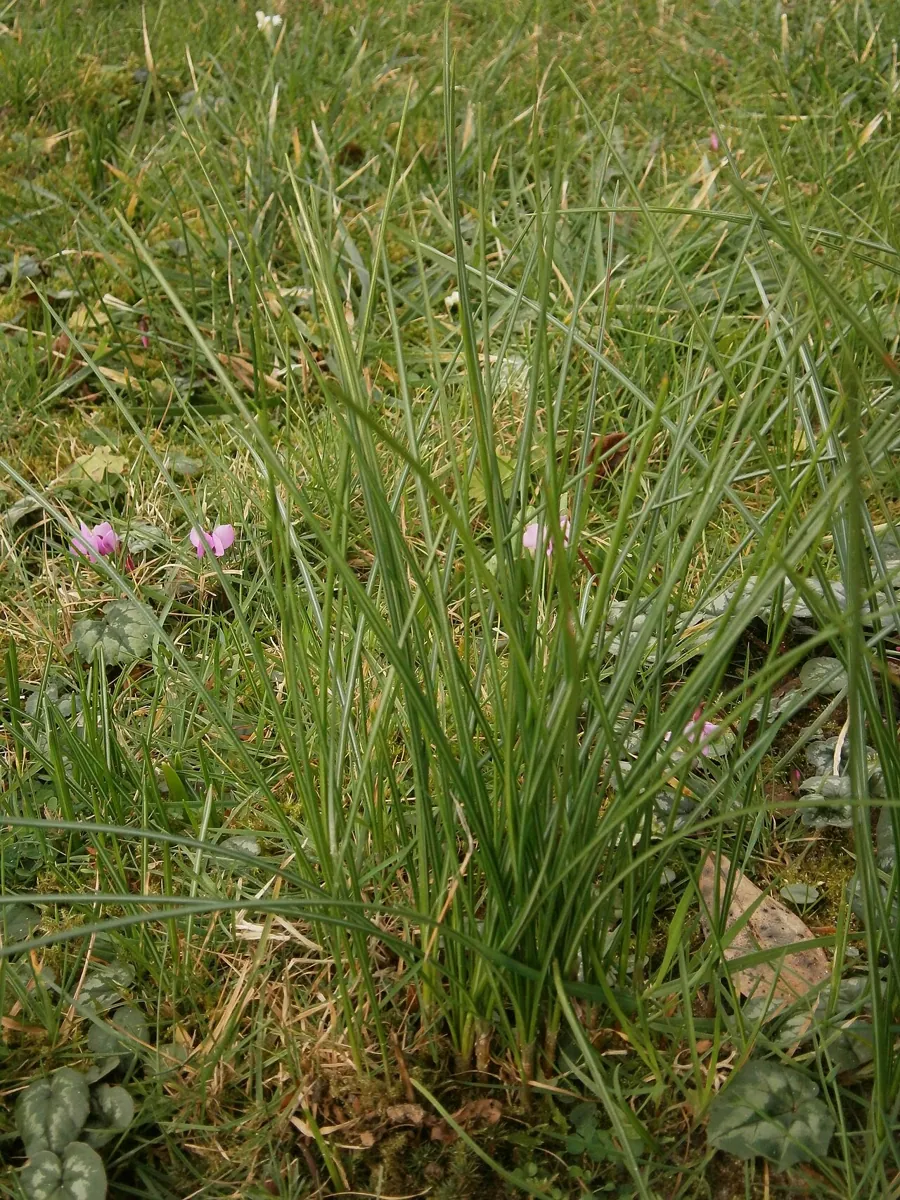
Saffron is the dried stigma of the autumn crocus grown in Kashmir. It takes about 150,000 flowers for a kilogram, which is why it is costly and widely adulterated.
Shloka from Bhavaprakasha Nighantu
कुङ्कुमं कटुकं स्निग्धं शिरोरुग्व्रणजन्तुजित्। तिक्तं वमिहरं वर्ण्यं व्यङ्गदोषत्रयापहम्॥
kuṅkumaṃ kaṭukaṃ snigdhaṃ śirorugvraṇajantujit| tiktaṃ vamiharaṃ varṇyaṃ vyaṅgadoṣatrayāpaham||
Meaning: Kumkuma is pungent and unctuous, removes headache, wounds and worms. It is bitter, stops vomiting, improves complexion, and removes dark patches and disorders of all three doshas.
Bhavaprakasha Nighantu, Karpuradi varga
In the classical texts
- Bhavaprakasha Nighantu (Karpuradi varga)Described with the shloka above.
- Classical formulasKumkumadi taila for complexion.
Synonyms (paryaya)
घुसण,रक्त,वाह्लीक,काश्मीर
ghusaṇa,rakta,vāhlīka,kāśmīra
Classical indications
वर्ण्य, शिरोरोग, कृमि, वमन, व्यंग(झांई), त्रिदोषहर
varṇya, śiroroga, kṛmi, vamana, vyaṃga(jhāṃī), tridoṣahara
Effect on the three doshas
How vaidyas use it in practice
- Kumkumadi taila on the face for pigmentation.
- A few strands in milk for mood and weakness.
- In menstrual formulas.
Simple home uses
- 2–3 strands in warm milk at night.
For minor complaints only. If a problem lasts more than a few days or is severe, see a doctor.
Well-known formulations
कुंकुमादि-घृत-तैल
kuṃkumādi-ghṛta-taila
What science says
Contains crocin, crocetin, picrocrocin and safranal. Trials show benefits for mild depression and PMS.
Safety and cautions
Doses above 5 g can be toxic and can cause miscarriage.
Who should not take it
- Pregnancy (medicinal doses)
- Bleeding disorders
How to identify it, and common adulterants
Genuine saffron threads are deep red with orange-yellow tips, release colour slowly in water.
Growing it at home
Needs Kashmir's climate.
Questions people ask
Is saffron in milk safe in pregnancy?
A few strands in food are traditional; medicinal doses should be avoided.
This page is general information from classical Ayurvedic texts and published research. It is not a prescription. Herbs act differently in different people; take any herb only after a qualified vaidya examines you, and do not stop prescribed medicines.