
Kumari

Kumari (aloe vera) is a cooling, bitter herb used in Ayurveda for the liver, digestion, women's health, burns and skin.
About Kumari
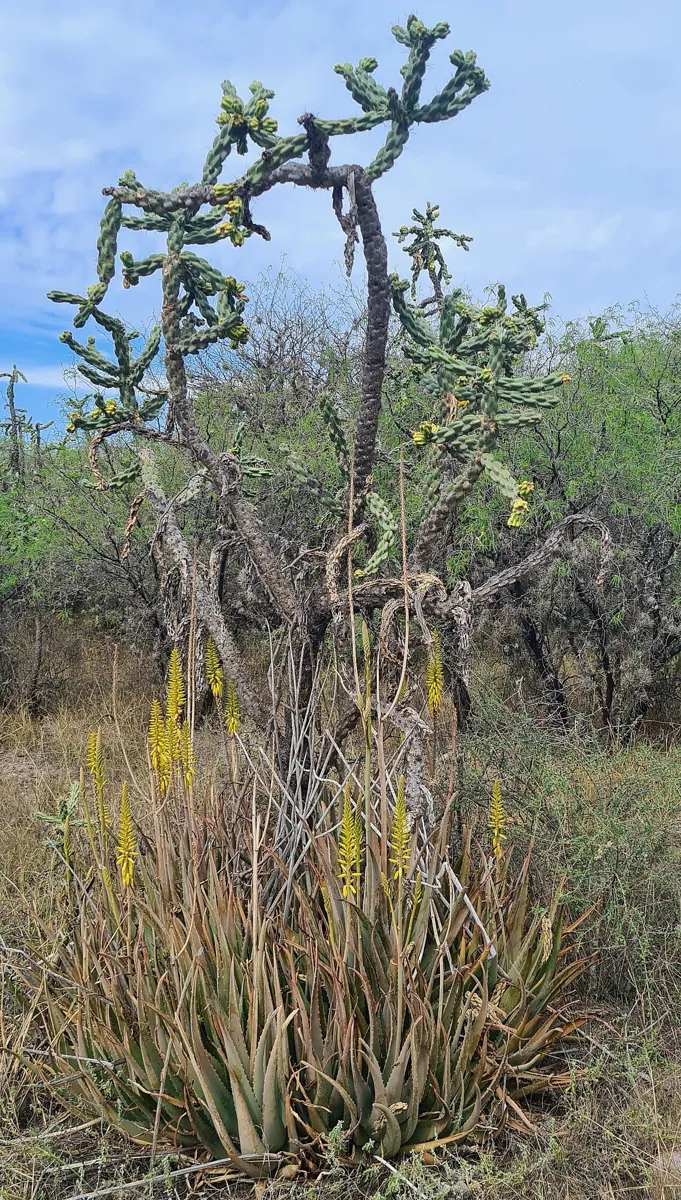
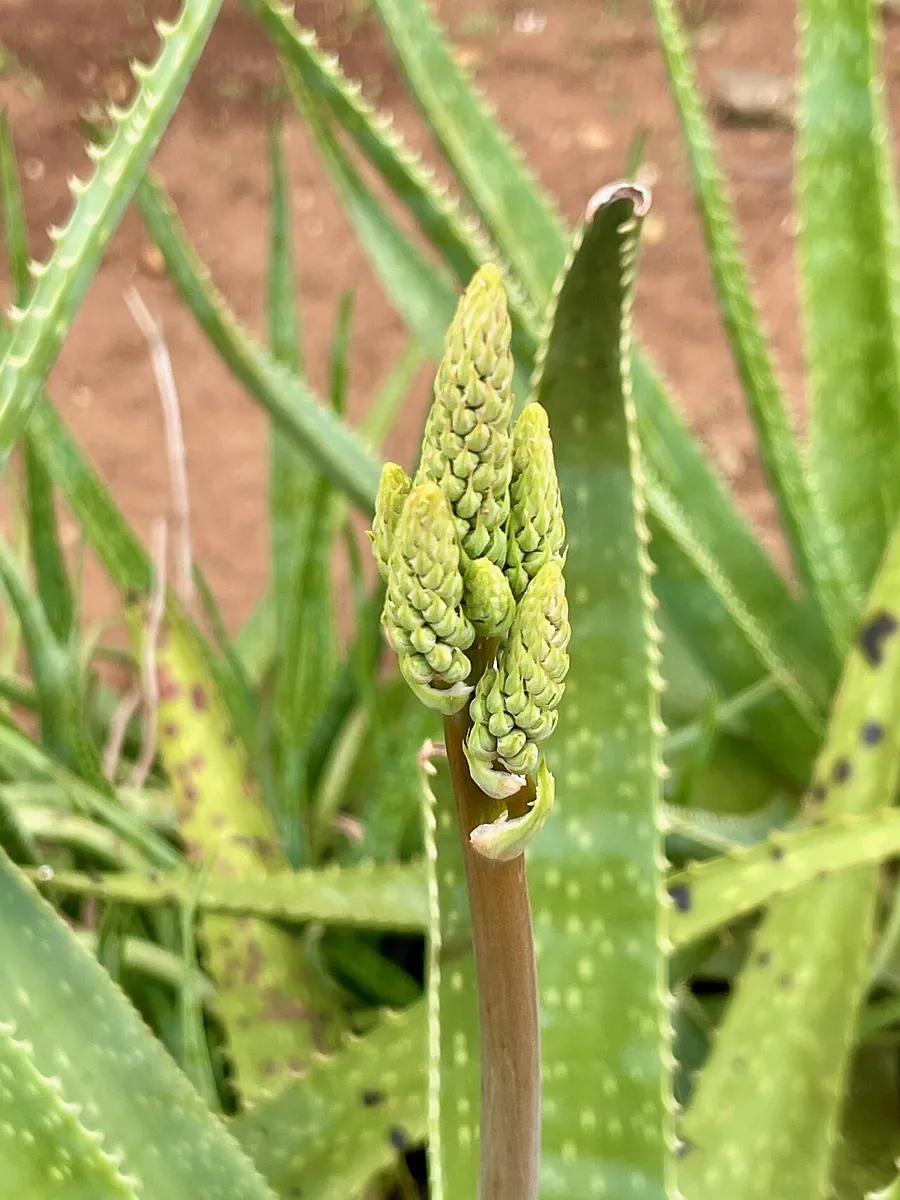
Kumari is a succulent plant with thick, spiny leaves full of clear gel, grown everywhere in India. The name means 'young girl', reflecting its use for youthfulness and for female health. The gel (pulp) and the dried yellow juice (Elua) are separate medicines with different actions.
Shloka from Bhavaprakasha Nighantu
कुमारी भेदनी शीता तिक्ता नेत्र्या रसायनी। मधुरा बृंहणी बल्या वृष्या वातविषप्रणुत्॥
kumārī bhedanī śītā tiktā netryā rasāyanī| madhurā bṛṃhaṇī balyā vṛṣyā vātaviṣapraṇut||
गुल्मप्लीहयकृद्वृद्धिकफज्वरहरी हरेत्। ग्रन्थ्यग्निदग्धविस्फोटपित्तरक्तत्वगामयान्॥
gulmaplīhayakṛdvṛddhikaphajvaraharī haret| granthyagnidagdhavisphoṭapittaraktatvagāmayān||
Meaning: Kumari is laxative, cold, bitter, good for the eyes and a rasayana. It is sweet, nourishing, strength-giving and an aphrodisiac, and removes Vata and poison. It removes gulma, enlargement of spleen and liver, Kapha and fever, and cures cysts, burns, blisters, Pitta-Rakta disorders and skin diseases.
Bhavaprakasha Nighantu, Guduchyadi varga
In the classical texts
- Bhavaprakasha Nighantu (Guduchyadi varga)Described with the shloka above.
- Later classical textsKumaryasava and Kumari-based preparations are used for liver, spleen and menstrual disorders.
Synonyms (paryaya)
गृहकन्या,घृतकुमारी,ग्वारपाठा,
gṛhakanyā,ghṛtakumārī,gvārapāṭhā,
Classical indications
बल्य, वातविषहर, वृष्य, चक्षुष्य, रसायन, गुल्म, प्लीहा, यकृत, ग्रन्थि, अग्निदग्ध, रेचनी, अनार्तव
balya, vātaviṣahara, vṛṣya, cakṣuṣya, rasāyana, gulma, plīhā, yakṛta, granthi, agnidagdha, recanī, anārtava
Effect on the three doshas
How vaidyas use it in practice
- Fresh gel on burns, sunburn, cuts and dry skin.
- Kumaryasava for liver sluggishness, poor appetite and menstrual irregularity, as advised.
- Fresh gel with a pinch of turmeric for acidity and heat, in short courses.
- Gel as a hair and scalp conditioner.
- Elua (dried juice) only in measured doses in formulas for constipation and periods.
Simple home uses
- Fresh gel on minor burns, sunburn and dry skin.
- Gel as a scalp mask before washing hair.
For minor complaints only. If a problem lasts more than a few days or is severe, see a doctor.
Well-known formulations
कुमार्यासव, कुमारिकावटी, रजःप्रवर्तनीवटी, कुमारिकापाक
kumāryāsava, kumārikāvaṭī, rajaḥpravartanīvaṭī, kumārikāpāka
What science says
The inner gel contains polysaccharides (acemannan), vitamins and enzymes; the yellow latex under the skin contains anthraquinones such as aloin, a strong laxative. Topical aloe gel has good evidence for burns and wound healing. Oral aloe latex products are restricted in some countries because of safety concerns.
Safety and cautions
Use only the clear inner gel for drinking, and in short courses. The yellow latex (aloin) can cause cramps, diarrhoea and low potassium. Avoid oral use in pregnancy, breastfeeding, kidney disease and with diuretics or heart medicines.
Who should not take it
- Pregnancy and breastfeeding (oral use)
- Kidney disease, low potassium
- With diuretics or heart medicines
- Aloe products containing aloin, for regular use
How to identify it, and common adulterants
Use only the clear inner gel. The yellow juice just under the skin (aloin) is a strong laxative; wash the cut leaf and drain it for 10 minutes before taking the gel.
Growing it at home
Very easy in a pot with sandy soil and sun. Water little; it multiplies by side shoots.
Questions people ask
Can I drink aloe vera juice daily?
Short courses of properly prepared inner-gel juice are generally safe. Products containing aloin (the yellow latex) should not be taken regularly.
Is aloe good for burns?
Yes, fresh gel on minor burns and sunburn is one of its best-supported uses.
This page is general information from classical Ayurvedic texts and published research. It is not a prescription. Herbs act differently in different people; take any herb only after a qualified vaidya examines you, and do not stop prescribed medicines.