
Kitamari
कीटमारी
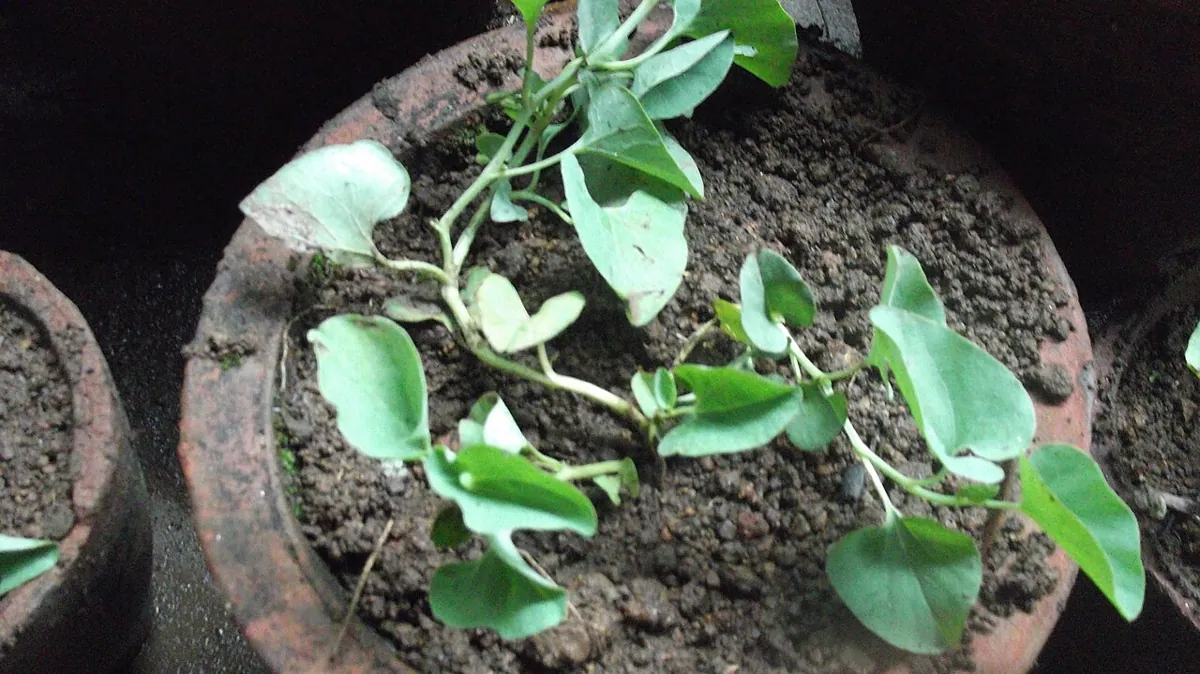
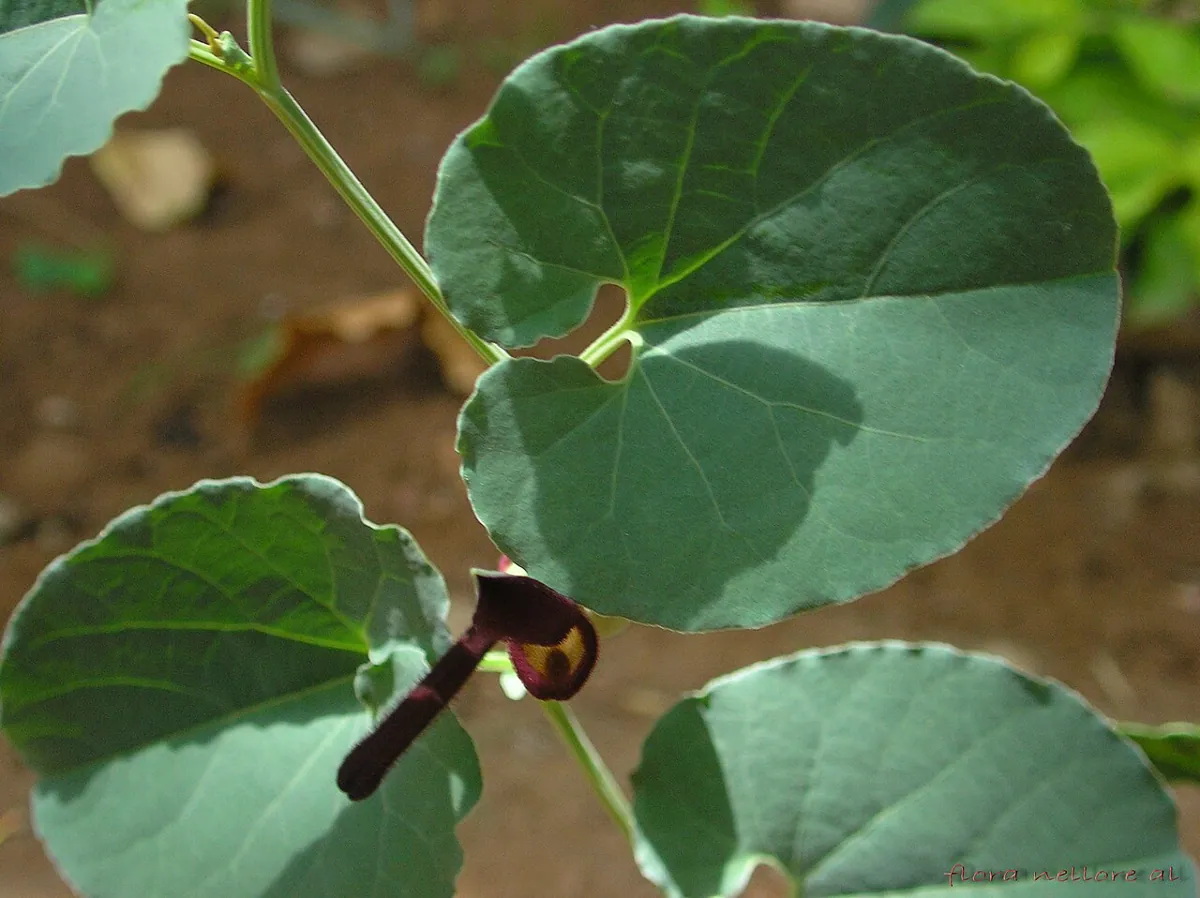
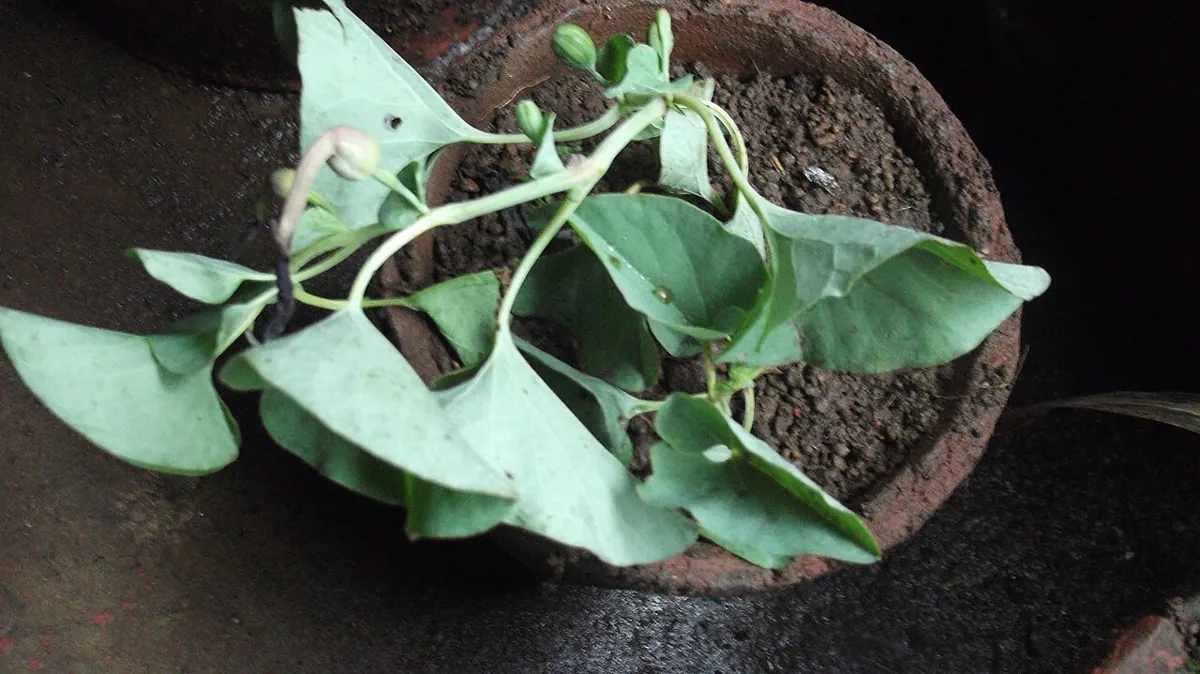
Kitamari (bracteated birthwort) contains aristolochic acid and is now considered unsafe for internal use.
Caution. Classified as Visha or Upavisha (poisonous or semi-poisonous) or as strongly acting. It is used in Ayurveda only after classical purification (Shodhana) and only by a qualified physician. Never use it at home.
Rasa (taste)तिक्त (bitter)
Guna (qualities)लघु,रूक्ष,तीक्ष्ण (light, dry, sharp)
Virya (potency)उष्ण (hot)
Vipaka (post-digestive effect)कटु (pungent)
Main action (karma)कॄमिघ्न (anti-worm)
Part usedपत्र,पुष्प (leaf, flower)
Classical dose (adult)Decided by the physician only
About Kitamari
Kitamari is a small trailing plant used traditionally against worms and poison.
In the classical texts
- Classical textsUsed for worms and skin disease.
Synonyms (paryaya)
धूमपत्रा
dhūmapatrā
How vaidyas use it in practice
- Not recommended for internal use today.
Simple home uses
- Do not use.
For minor complaints only. If a problem lasts more than a few days or is severe, see a doctor.
What science says
Aristolochic acids cause kidney failure and urinary cancers.
Safety and cautions
Unsafe.
Who should not take it
- All internal use
How to identify it, and common adulterants
Small pipe-shaped flowers.
Growing it at home
Not recommended.
Questions people ask
Why unsafe?
Aristolochic acid.
Want to know whether this herb suits your body type? Speak to a Parijatak vaidya.Book a consultation
This page is general information from classical Ayurvedic texts and published research. It is not a prescription. Herbs act differently in different people; take any herb only after a qualified vaidya examines you, and do not stop prescribed medicines.