
Khadira
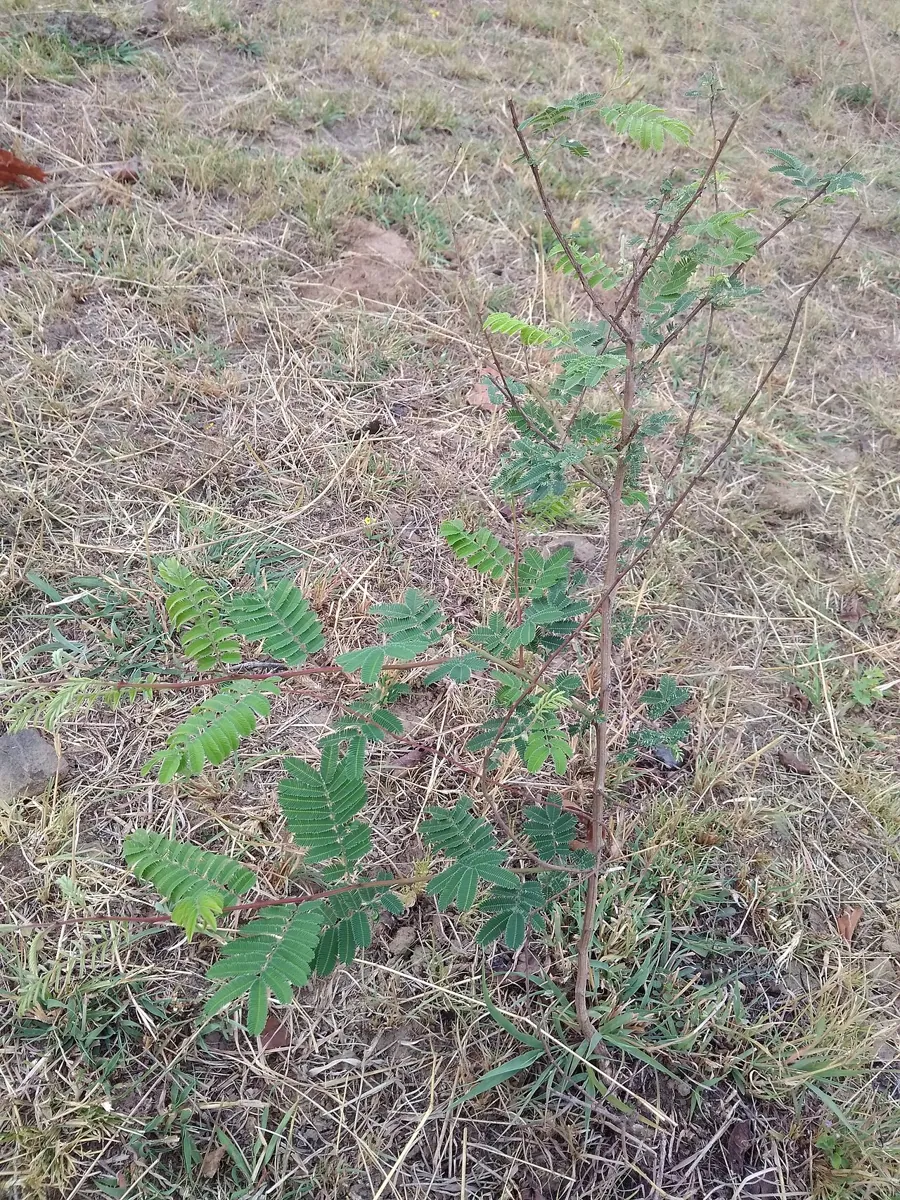
Khadira (catechu) is Ayurveda's foremost herb for skin disease, and is used for teeth and gums, mouth ulcers, diarrhoea and wound healing.
About Khadira
Khadira is a thorny deciduous tree of dry forests across India, including Vidarbha. Its heartwood is boiled to make kattha (catechu), the red paste eaten in paan. In Ayurveda the heartwood and its extract are leading medicines for skin.
Shloka from Bhavaprakasha Nighantu
खदिरः शीतलो दन्त्यः कण्डूकासारुचिप्रणुत्। तिक्तः कषायो मेदोघ्नः कृमिमेहज्वरव्रणान्॥
khadiraḥ śītalo dantyaḥ kaṇḍūkāsārucipraṇut| tiktaḥ kaṣāyo medoghnaḥ kṛmimehajvaravraṇān||
श्वित्रशोथामपित्तास्रपाण्डुकुष्ठकफान् हरेत्॥
śvitraśothāmapittāsrapāṇḍukuṣṭhakaphān haret||
Meaning: Khadira is cold, good for the teeth, and removes itching, cough and loss of taste. It is bitter, astringent and reduces fat, and overcomes worms, prameha, fever, wounds, white patches, swelling, ama, Pitta-Rakta disorders, anaemia, skin disease and Kapha.
Bhavaprakasha Nighantu, Vatadi varga
In the classical texts
- Charaka Samhita (Sutrasthana 4)Placed first in the Kushthaghna (skin) mahakashaya and in Udardaprashamana.
- Charaka Samhita (Sutrasthana 25)Named the best herb for skin disease (kushtha).
- Charaka Samhita (Chikitsasthana 7)Khadira is used in many forms in skin disease: decoction, bath, paste and arishta.
- Bhavaprakasha Nighantu (Vatadi varga)Described with the shloka above.
Synonyms (paryaya)
रक्तसार,दन्तधावन,बालपत्र,कण्टकी
raktasāra,dantadhāvana,bālapatra,kaṇṭakī
Classical indications
शीतल, श्वास, कफपित्त, कास, कुष्ठ, व्रण, प्रमेह, श्वित्र, ज्वरघ्न, रक्तपित्तहर
śītala, śvāsa, kaphapitta, kāsa, kuṣṭha, vraṇa, prameha, śvitra, jvaraghna, raktapittahara
Effect on the three doshas
How vaidyas use it in practice
- Khadirarishta for chronic skin disease, acne and itching, as advised.
- Khadira decoction for bathing in skin infections.
- Khadiradi vati to suck for mouth ulcers, sore throat and bad breath.
- Kattha powder on bleeding gums and in tooth powders.
- With Triphala and Nimba in Kushtha formulas.
Simple home uses
- Khadiradi vati sucked for mouth ulcers.
- A pinch of medicinal kattha on bleeding gums.
For minor complaints only. If a problem lasts more than a few days or is severe, see a doctor.
Well-known formulations
खदिरादि-वटी-चूर्ण-रिष्ट-क्वाथ
khadirādi-vaṭī-cūrṇa-riṣṭa-kvātha
What science says
The heartwood extract is rich in catechins and epicatechin (the same family of compounds as green tea) and in tannins. Laboratory studies show antioxidant, antimicrobial and astringent effects.
Safety and cautions
Very astringent; large internal doses can cause constipation. Avoid long-term use in pregnancy unless prescribed. Do not confuse with paan masala products, which may contain tobacco or areca.
Who should not take it
- Severe constipation
- Pregnancy (long-term)
- Paan masala and gutka products, which are harmful
How to identify it, and common adulterants
The heartwood is dark red-brown and very astringent. Katha extract should be pure; commercial katha may contain other materials.
Growing it at home
A thorny tree of dry forests that grows well in Vidarbha; plant saplings in the monsoon.
Questions people ask
Is the kattha in paan the same medicine?
It comes from the same tree. Medicinal Khadira is prepared and dosed differently, and paan products may contain harmful additives.
Why is Khadira called the best for skin?
Charaka himself names it the best herb for kushtha (skin disease), and it is used in many skin formulas.
This page is general information from classical Ayurvedic texts and published research. It is not a prescription. Herbs act differently in different people; take any herb only after a qualified vaidya examines you, and do not stop prescribed medicines.