
Katuka (Katuki)
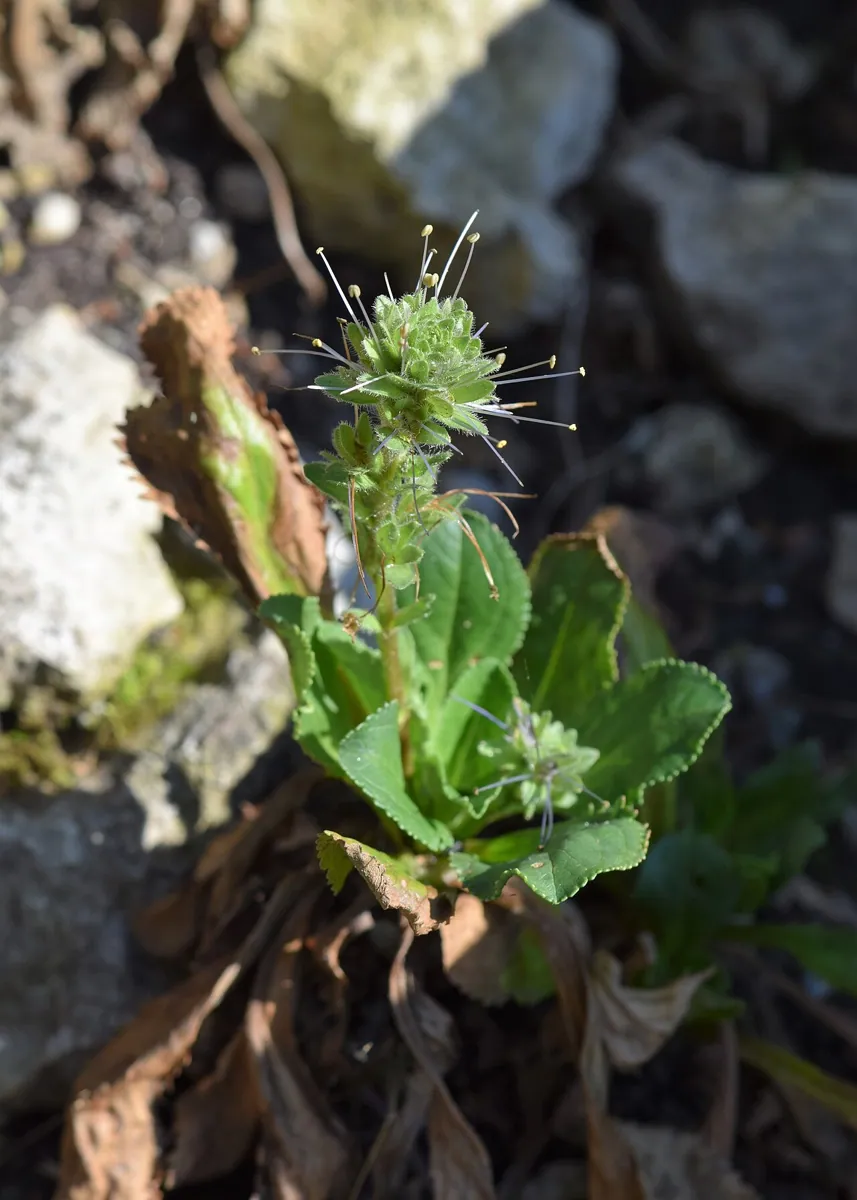
Katuka (kutki) is an intensely bitter Himalayan root used in Ayurveda for the liver, jaundice, fever, and as a mild purgative.
About Katuka (Katuki)
Katuka is a small creeping herb of the alpine Himalaya whose bitter rhizome is the medicine. Over-harvesting has made it endangered; cultivated material is preferred. It is the leading classical liver herb.
Shloka from Bhavaprakasha Nighantu
कटुका कटुका पाके तिक्ता रूक्षा हिमा लघुः। भेदिनी दीपनी हृद्या कफपित्तज्वरापहा॥
kaṭukā kaṭukā pāke tiktā rūkṣā himā laghuḥ| bhedinī dīpanī hṛdyā kaphapittajvarāpahā||
प्रमेहश्वासकासास्रदाहकुष्ठकृमिप्रणुत्॥
pramehaśvāsakāsāsradāhakuṣṭhakṛmipraṇut||
Meaning: Katuka is pungent after digestion, bitter, dry, cold and light. It is purgative, kindles digestion, is good for the heart, and removes Kapha, Pitta and fever. It removes prameha, breathlessness, cough, blood disorders, burning, skin disease and worms.
Bhavaprakasha Nighantu, Haritakyadi varga
In the classical texts
- Charaka Samhita (Sutrasthana 4)Katurohini is in the Lekhaniya, Bhedaniya and Stanyashodhana groups.
- Bhavaprakasha Nighantu (Haritakyadi varga)Described with the shloka above.
- ChakradattaKatuka with honey or sugar in jaundice (kamala).
Synonyms (paryaya)
तिक्ता,कटुरोहणी,काण्डरुहा,मत्स्यशकला,चक्रांगी,कृष्णभेदा,शतपर्वा,कुटकी
tiktā,kaṭurohaṇī,kāṇḍaruhā,matsyaśakalā,cakrāṃgī,kṛṣṇabhedā,śataparvā,kuṭakī
Classical indications
भेदनी, दीपनी, हृद्य, कफपित्तज्वरहर, प्रमेह, श्वास, कास, दाह, कृमि, कुष्ठहर
bhedanī, dīpanī, hṛdya, kaphapittajvarahara, prameha, śvāsa, kāsa, dāha, kṛmi, kuṣṭhahara
Effect on the three doshas
How vaidyas use it in practice
- Katuka powder with honey in jaundice and liver sluggishness, as advised.
- Arogyavardhini vati (contains Katuka) for liver and skin.
- As a mild purgative in Pitta conditions.
- In fever formulas.
Simple home uses
- Not a home remedy; jaundice and liver disease need tests and a doctor.
For minor complaints only. If a problem lasts more than a few days or is severe, see a doctor.
Well-known formulations
आरोग्यवर्धिनी, तिक्तादि क्वाथ
ārogyavardhinī, tiktādi kvātha
What science says
The rhizome contains iridoid glycosides (picroside I and II, kutkoside), together called kutkin. Studies show liver-protective, anti-inflammatory and immune-modulating effects; small clinical studies in viral hepatitis were encouraging.
Safety and cautions
It is a purgative in larger doses and can cause cramps and loose stools. Avoid in pregnancy and with autoimmune disease unless the doctor agrees.
Who should not take it
- Pregnancy
- Diarrhoea
- Very weak, Vata-type patients (high doses)
How to identify it, and common adulterants
The rhizome is grey-brown, wrinkled, about the thickness of a pencil, with an intensely bitter taste. Other bitter roots are mixed in; buy from a licensed source.
Growing it at home
An endangered alpine plant; cannot be grown in the plains.
Questions people ask
Is Kutki good for fatty liver?
It is a classical liver herb and is studied in liver conditions; use it alongside the doctor's tests and diet advice.
Is Katuka the same as Kalmegh?
No, but both are bitter liver herbs; Katuka is Picrorhiza, Kalmegh is Andrographis.
This page is general information from classical Ayurvedic texts and published research. It is not a prescription. Herbs act differently in different people; take any herb only after a qualified vaidya examines you, and do not stop prescribed medicines.