
Kasha
काश
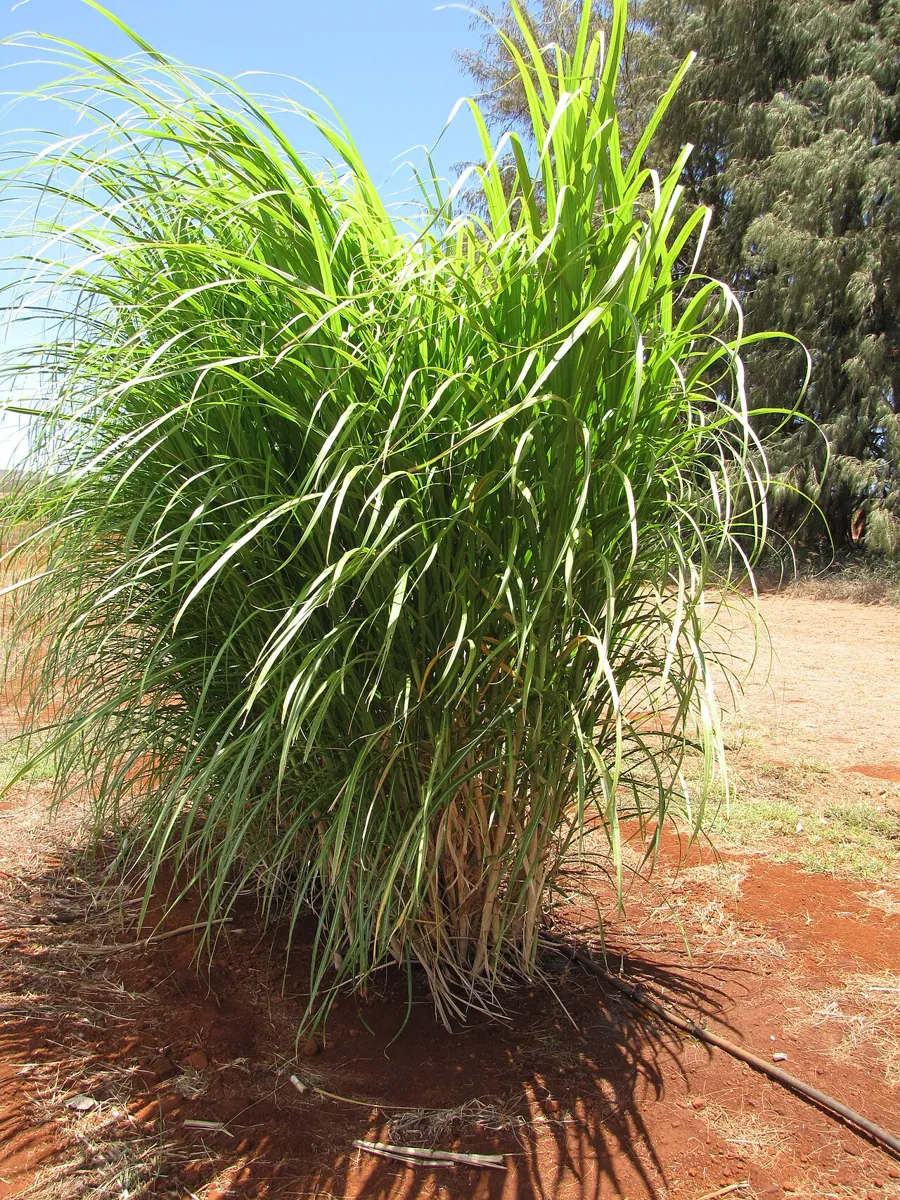
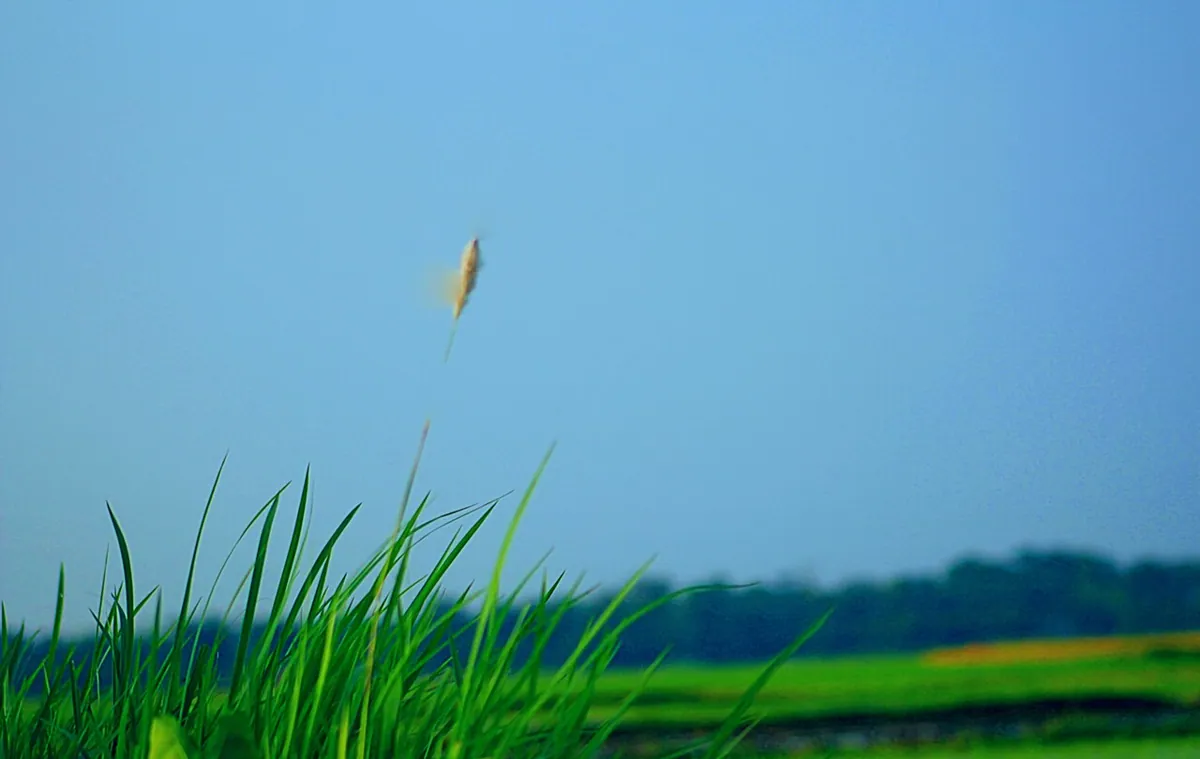
Kasha (kans grass) root is used in Ayurveda for burning urination, stones and bleeding, as part of Trinapanchamula.
Rasa (taste)मधुर,कषाय (sweet, astringent)
Guna (qualities)लघु,स्निग्ध (light, unctuous)
Virya (potency)शीत (cold)
Vipaka (post-digestive effect)मधुर (sweet)
Main action (karma)मूत्रविरेचनीय (diuretic)
Part usedमूल (root)
Classical dose (adult)50-100 ml — only as your vaidya prescribes
About Kasha
Kasha is the tall grass whose white plumes signal autumn.
In the classical texts
- Charaka Samhita (Sutrasthana 4)Included in the Stanyajanana and Mutravirechaniya groups; part of Trinapanchamula.
Synonyms (paryaya)
श्वेतचामर,कास
śvetacāmara,kāsa
Effect on the three doshas
VataCalms
PittaCalms
KaphaNeutral
How vaidyas use it in practice
- Trinapanchamula kwatha in burning urination.
Simple home uses
- Not usually a home remedy.
For minor complaints only. If a problem lasts more than a few days or is severe, see a doctor.
Well-known formulations
तृणपंचमूल क्वाथ
tṛṇapaṃcamūla kvātha
What science says
Diuretic effects in animals.
Safety and cautions
Safe.
Who should not take it
- None in usual use
How to identify it, and common adulterants
Tall grass with silvery plumes.
Growing it at home
Wild grass.
Questions people ask
Is it in Trinapanchamula?
Yes.
Want to know whether this herb suits your body type? Speak to a Parijatak vaidya.Book a consultation
This page is general information from classical Ayurvedic texts and published research. It is not a prescription. Herbs act differently in different people; take any herb only after a qualified vaidya examines you, and do not stop prescribed medicines.