
Karkatashringi
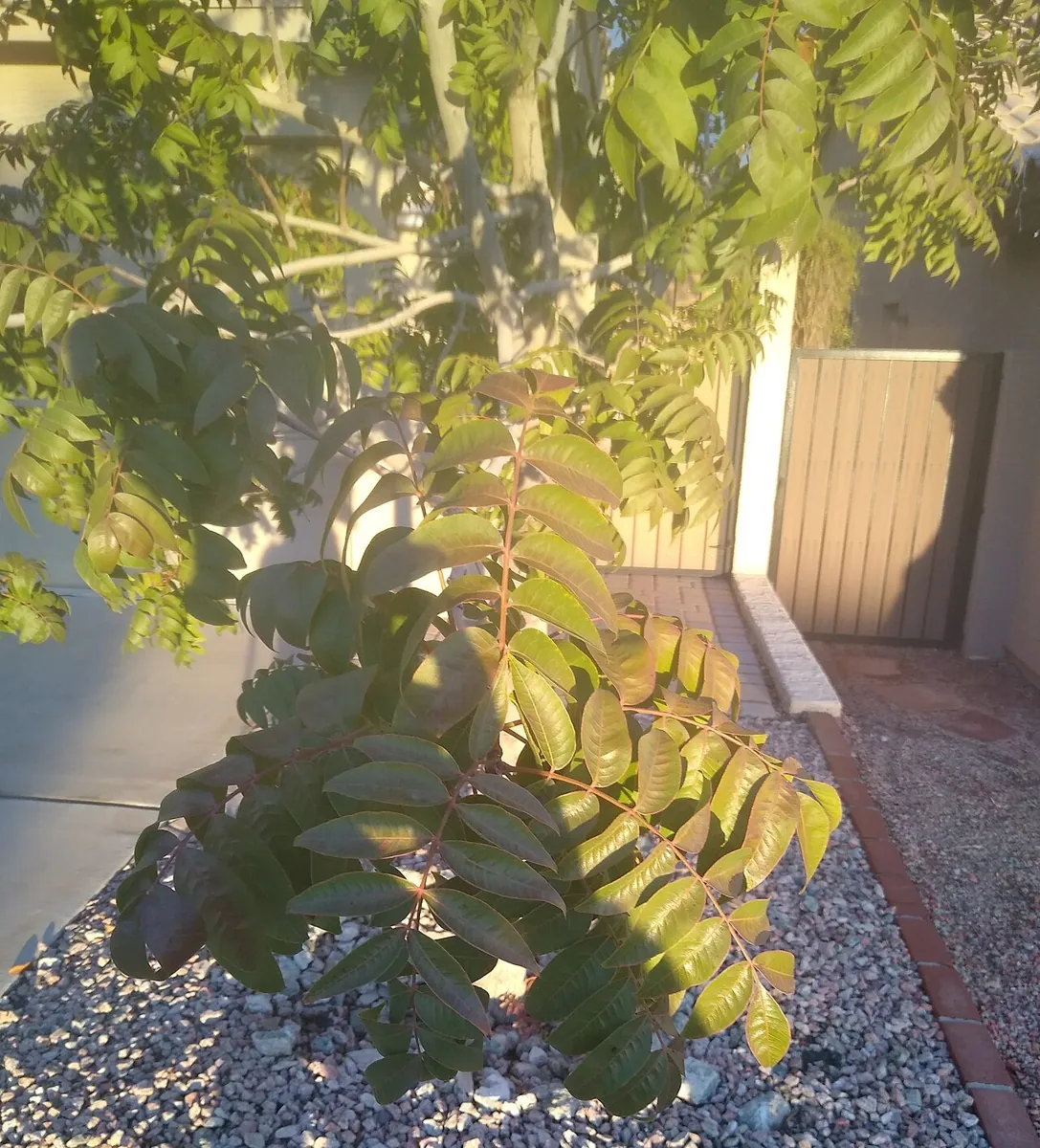
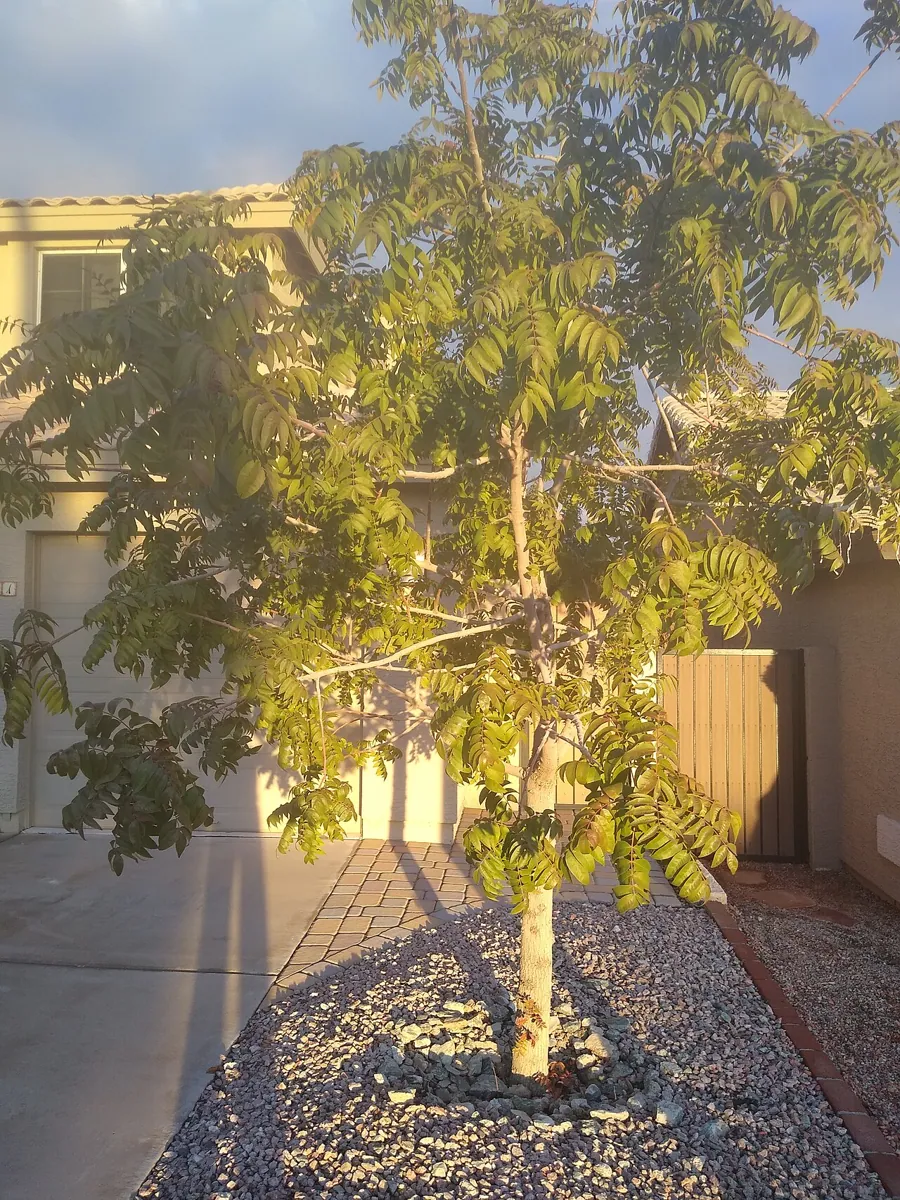
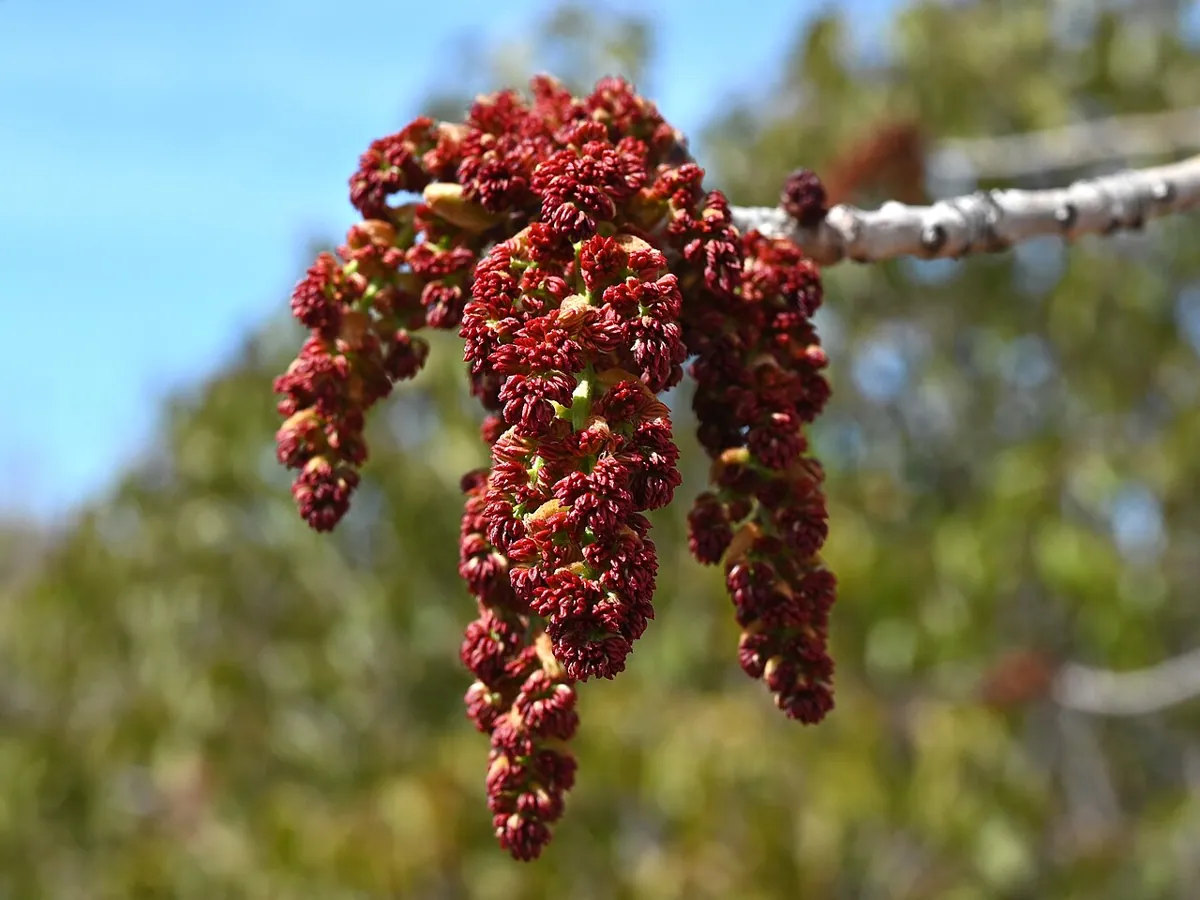
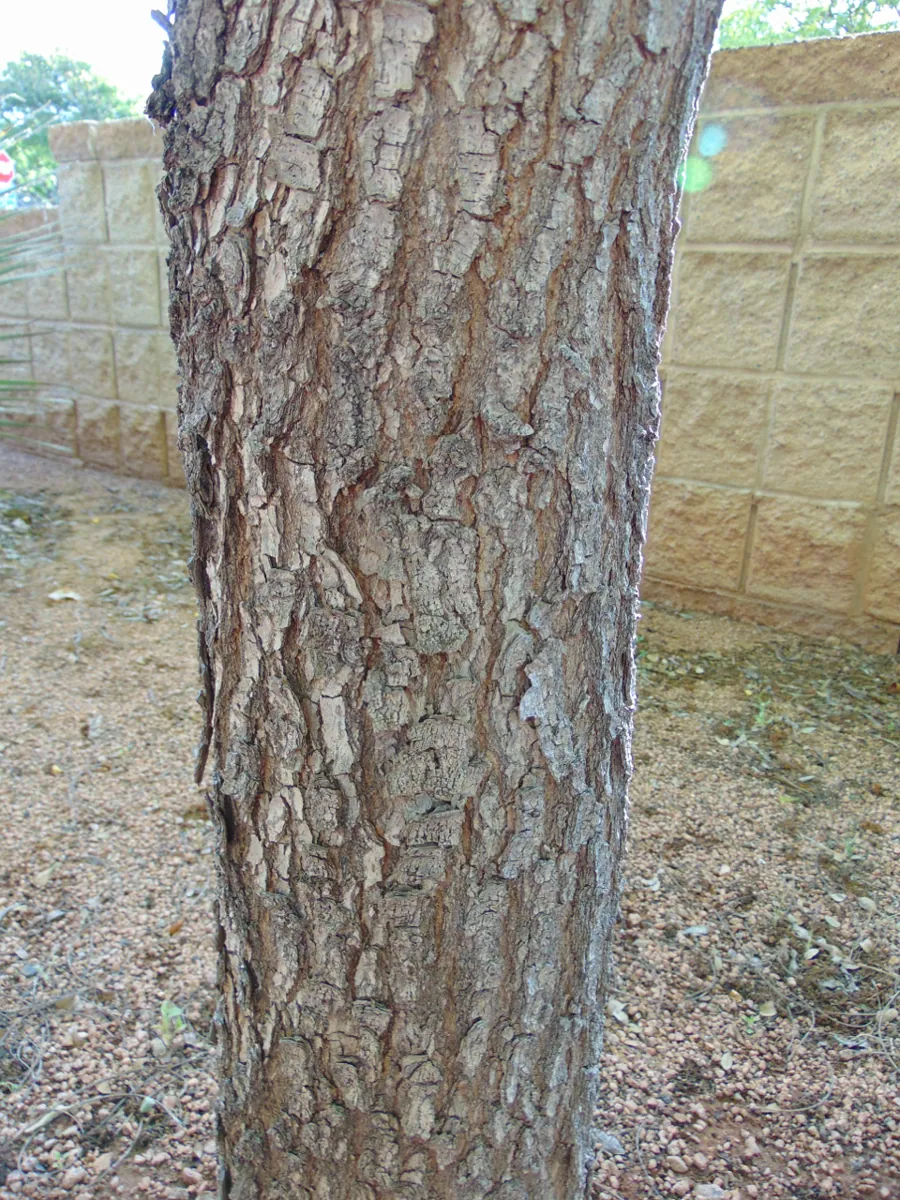
Karkatashringi is an insect gall used in Ayurveda for children's cough, asthma, hiccup and fever.
About Karkatashringi
Karkatashringi is the horn-shaped gall that forms on Pistacia trees in the western Himalaya when insects lay eggs on the leaves. It is a key children's cough medicine.
In the classical texts
- Charaka Samhita (Sutrasthana 4)Included in the Kasaghna and Hikkanigrahana groups as Shringi.
- Classical formulasBalachaturbhadra churna and Shringyadi churna.
Synonyms (paryaya)
अजश्रृंगी,कुलीरविषाणिका,वक्रा,
ajaśrṛṃgī,kulīraviṣāṇikā,vakrā,
Classical indications
कफवातहर, क्षय, ज्वर, श्वास, उर्ध्ववात, तृष्णा, कास, हिक्का, अरुचि, वमनहर
kaphavātahara, kṣaya, jvara, śvāsa, urdhvavāta, tṛṣṇā, kāsa, hikkā, aruci, vamanahara
Effect on the three doshas
How vaidyas use it in practice
- In Balachaturbhadra for children's cough and fever.
- In hiccup and breathlessness formulas.
- In adults for dry cough.
Simple home uses
- Not usually a home remedy.
For minor complaints only. If a problem lasts more than a few days or is severe, see a doctor.
Well-known formulations
श्रृंग्यादि चूर्ण, बालचतुर्भद्रा
śrṛṃgyādi cūrṇa, bālacaturbhadrā
What science says
Contains tannins, triterpenes and essential oil. Studies show anti-asthmatic and anti-inflammatory effects.
Safety and cautions
Generally safe in prescribed doses.
Who should not take it
- Pregnancy (without advice)
How to identify it, and common adulterants
Hollow, horn-like, brownish galls with a resinous smell.
Growing it at home
Himalayan; not for the plains.
Questions people ask
Is it safe for children?
It is a classical children's cough herb in proper doses.
This page is general information from classical Ayurvedic texts and published research. It is not a prescription. Herbs act differently in different people; take any herb only after a qualified vaidya examines you, and do not stop prescribed medicines.