
Karavira
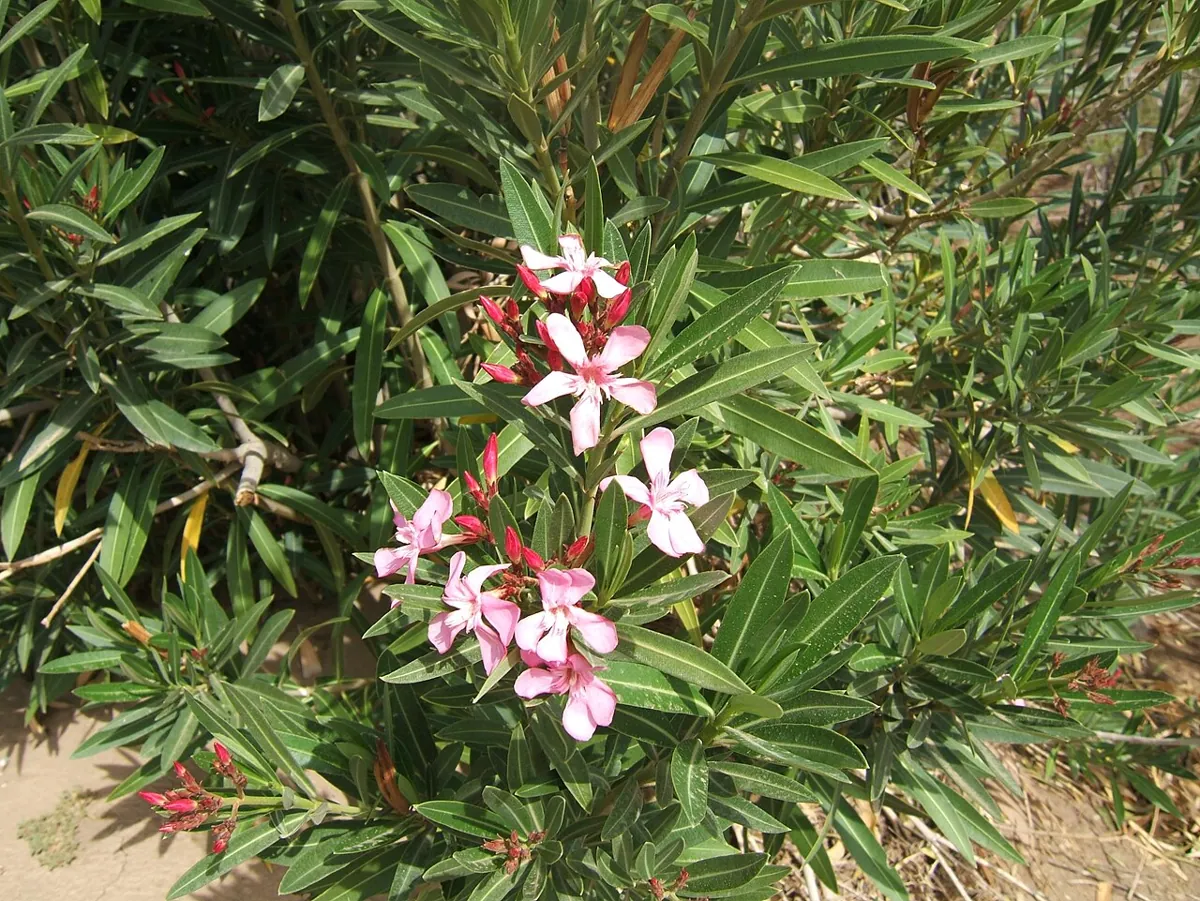
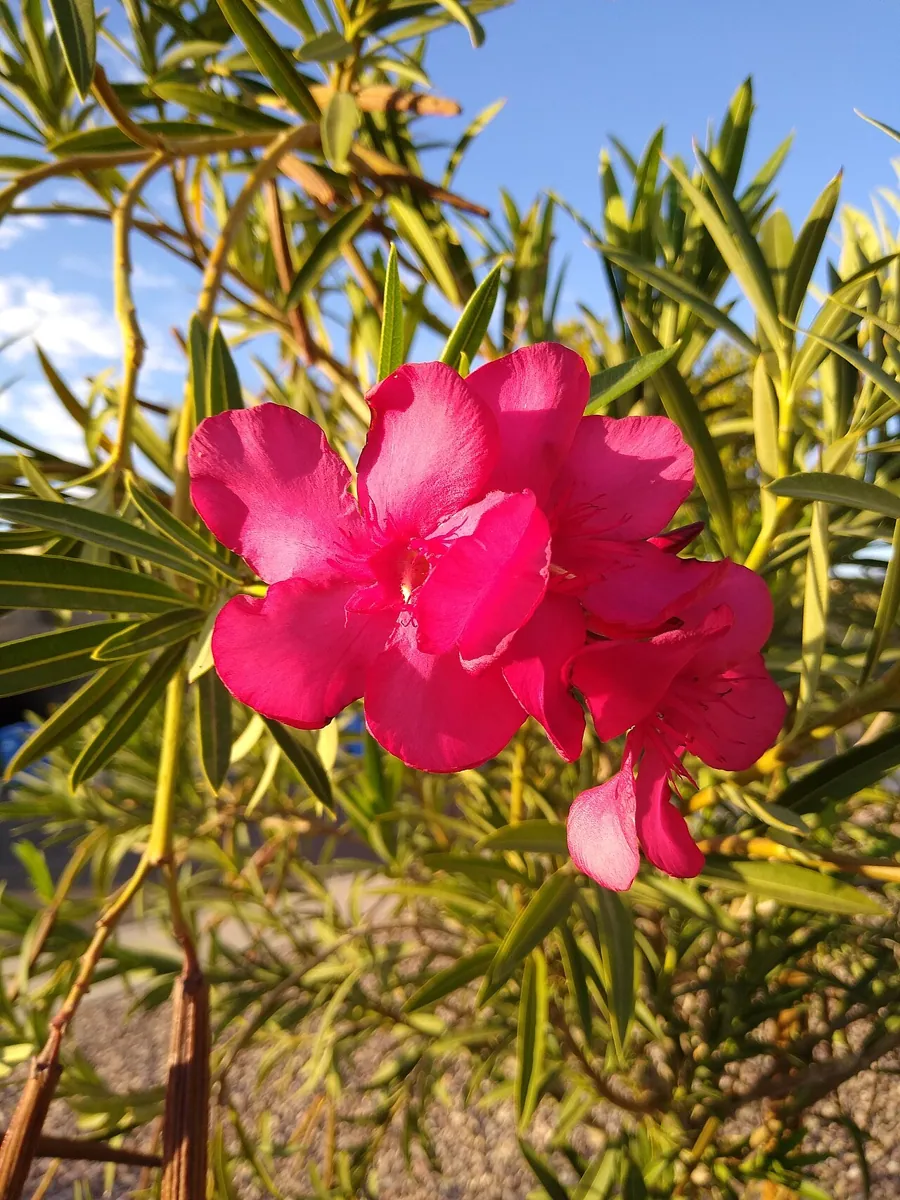
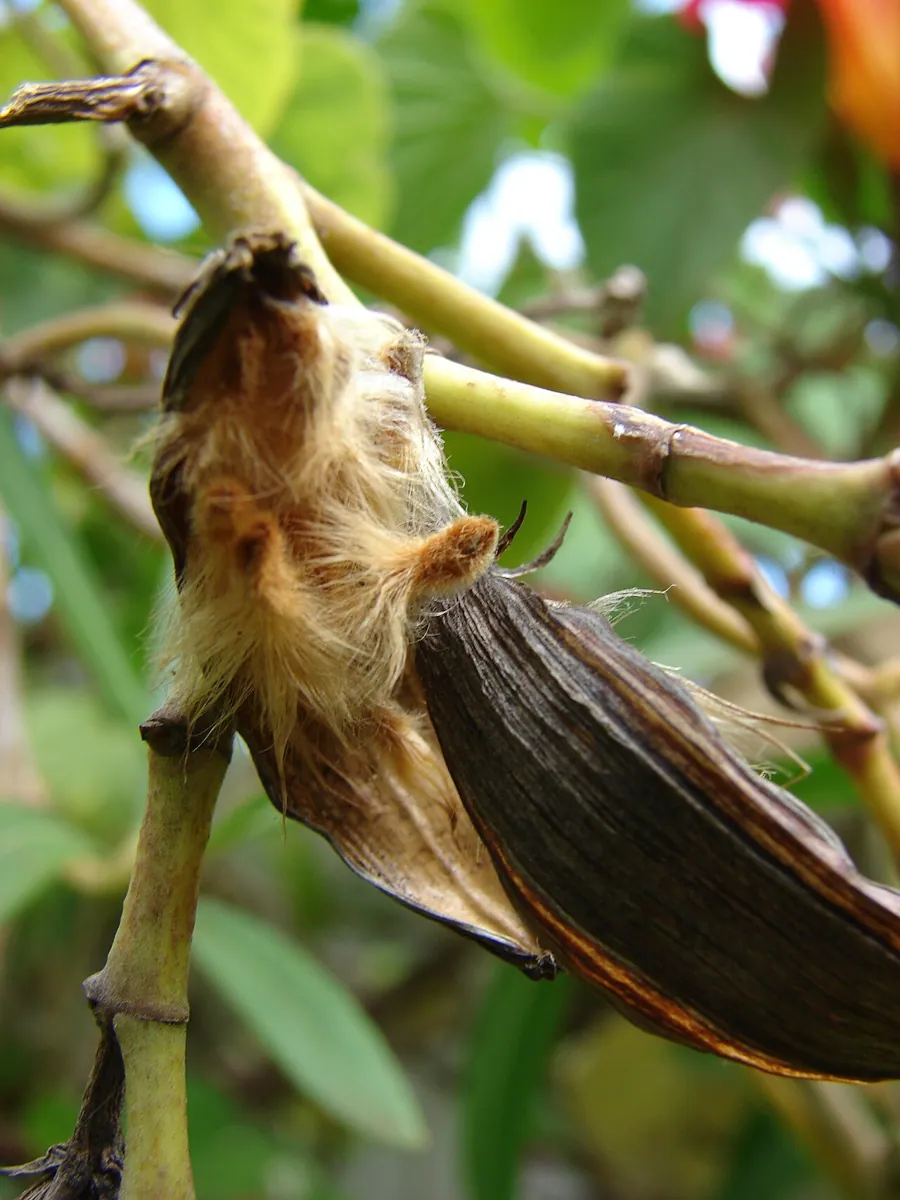
Karavira (oleander) is a poisonous shrub used in Ayurveda only externally for skin disease; internal use is dangerous.
About Karavira
Oleander is a common ornamental shrub with pink, white or red flowers; every part is poisonous.
In the classical texts
- Bhavaprakasha NighantuListed among Upavisha; used externally in skin disease.
- Classical formulasKaraviradya taila for skin.
Synonyms (paryaya)
अश्वमारक
aśvamāraka
Effect on the three doshas
How vaidyas use it in practice
- Karaviradya taila externally for skin disease.
Simple home uses
- Never use internally; keep leaves and flowers away from children and animals.
For minor complaints only. If a problem lasts more than a few days or is severe, see a doctor.
Well-known formulations
करवीर-तैल-योग
karavīra-taila-yoga
What science says
Contains cardiac glycosides (oleandrin) that cause fatal heart rhythm problems.
Safety and cautions
Deadly poisonous if eaten.
Who should not take it
- Any internal use
- Children
- Pets
How to identify it, and common adulterants
Narrow leathery leaves in threes; clusters of flowers; milky sap.
Growing it at home
Avoid near children.
Questions people ask
Is oleander poisonous?
Yes, all parts.
This page is general information from classical Ayurvedic texts and published research. It is not a prescription. Herbs act differently in different people; take any herb only after a qualified vaidya examines you, and do not stop prescribed medicines.