
Kampillaka
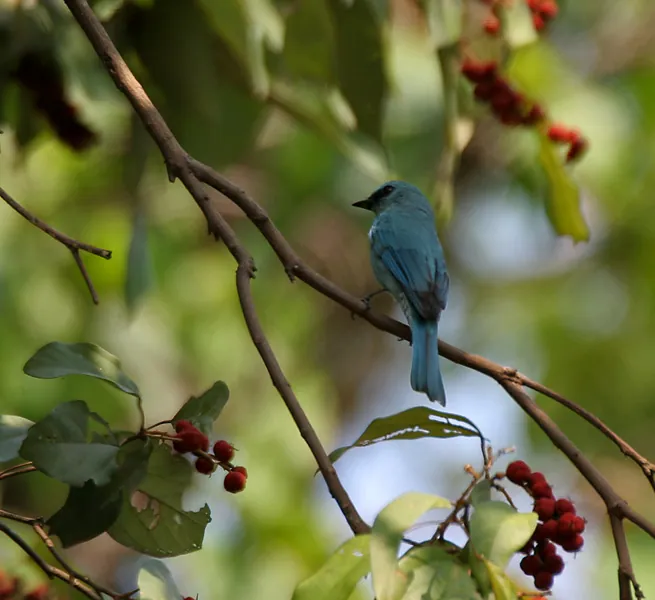
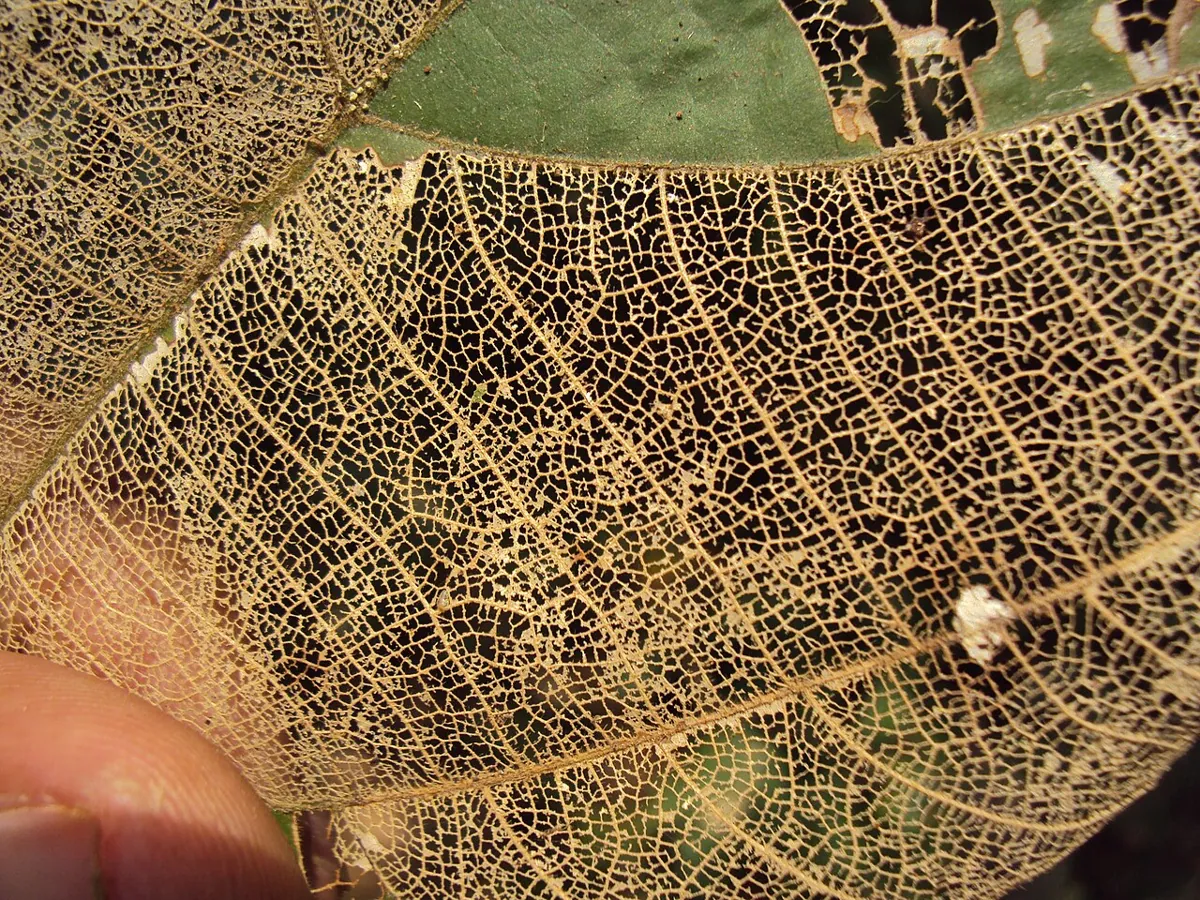
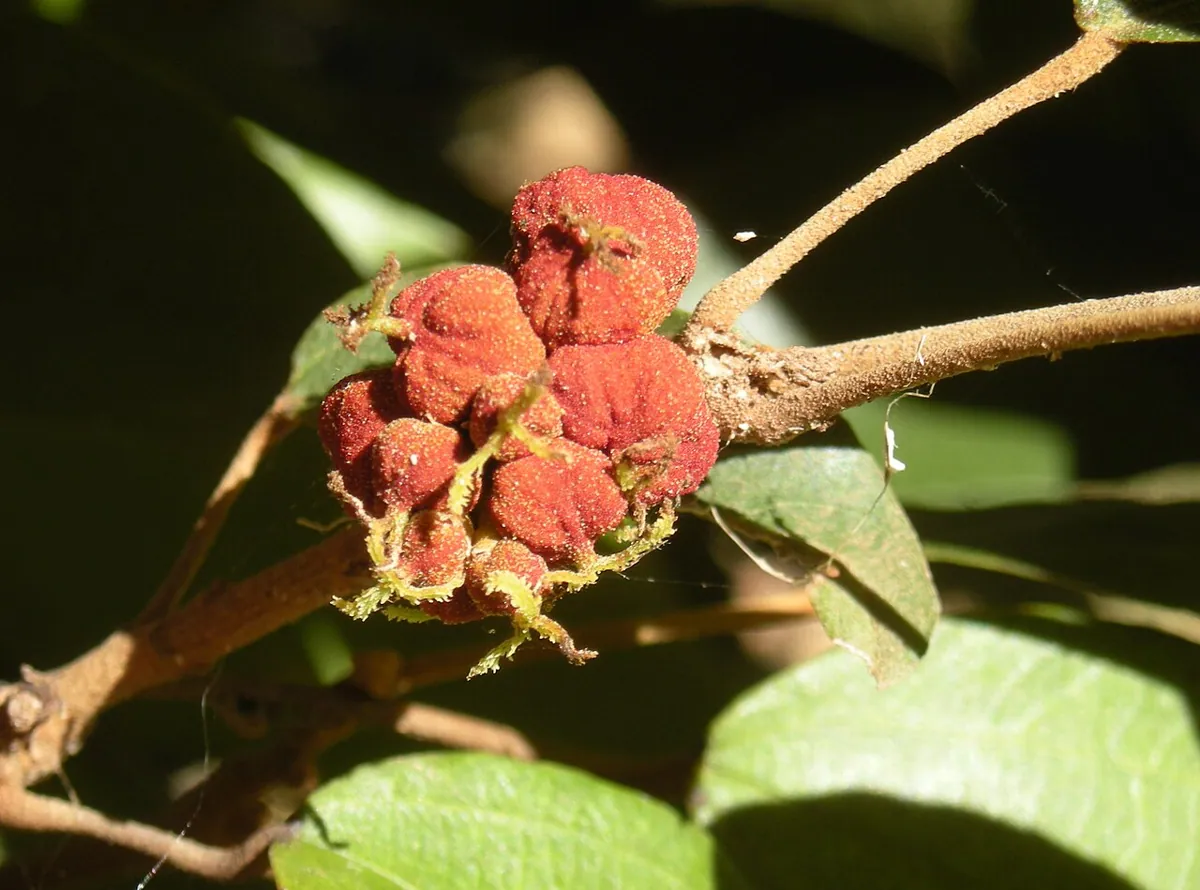
Kampillaka (kamala) is a red powder from fruit glands used in Ayurveda as a purgative and against tapeworms and skin disease.
About Kampillaka
Kampillaka is a small evergreen tree whose fruits are covered with red-orange glands. The powder scraped from the fruit (kamala) was once exported as a dye and worm remedy.
In the classical texts
- Charaka Samhita (Kalpasthana 9)Kampillaka kalpa describes its purgative use.
- Bhavaprakasha NighantuDescribed as a purgative useful in Kapha, Pitta, worms, gulma, abdominal disease and wounds.
Synonyms (paryaya)
कर्कश,रक्तांग,रेचन,कबीला
karkaśa,raktāṃga,recana,kabīlā
Classical indications
कफपित्तहर, रक्त, कृमि, गुल्म, उदर, व्रण, रेचक, प्रमेह, विष, अश्मरीहर
kaphapittahara, rakta, kṛmi, gulma, udara, vraṇa, recaka, prameha, viṣa, aśmarīhara
Effect on the three doshas
How vaidyas use it in practice
- In worm formulas as prescribed.
- Externally in skin disease.
Simple home uses
- Not for home use.
For minor complaints only. If a problem lasts more than a few days or is severe, see a doctor.
Well-known formulations
क्रिमिघातनी वटी
krimighātanī vaṭī
What science says
Contains rottlerin and related phloroglucinols with strong purgative and anthelmintic effects.
Safety and cautions
Strong purgative; can cause severe cramps and vomiting.
Who should not take it
- Pregnancy
- Children
- Weakness
How to identify it, and common adulterants
Fine brick-red powder that floats on water and burns with flashes.
Growing it at home
Not for home use.
Questions people ask
Is Kampillaka safe?
Only in prescribed doses.
This page is general information from classical Ayurvedic texts and published research. It is not a prescription. Herbs act differently in different people; take any herb only after a qualified vaidya examines you, and do not stop prescribed medicines.