
Kalamegha / Bhunimba
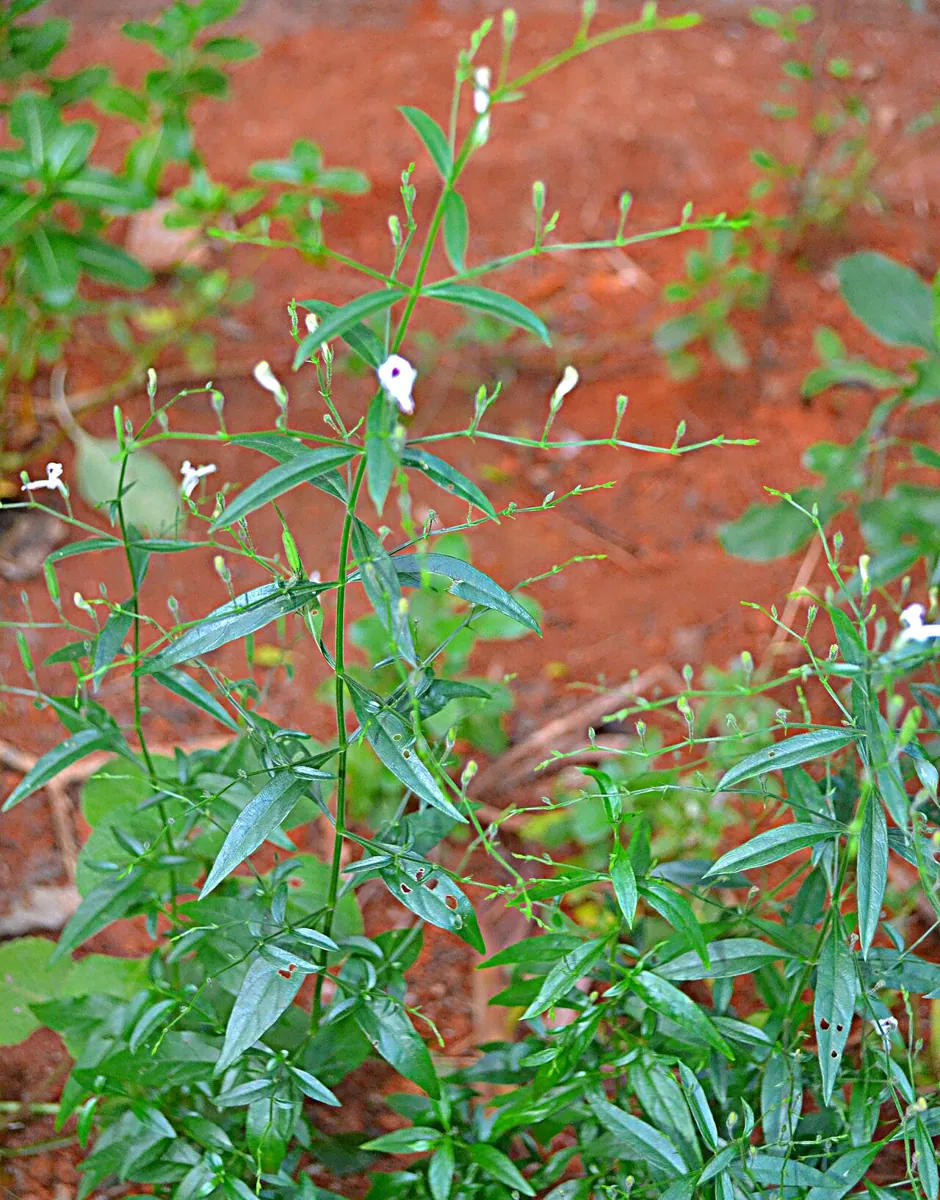
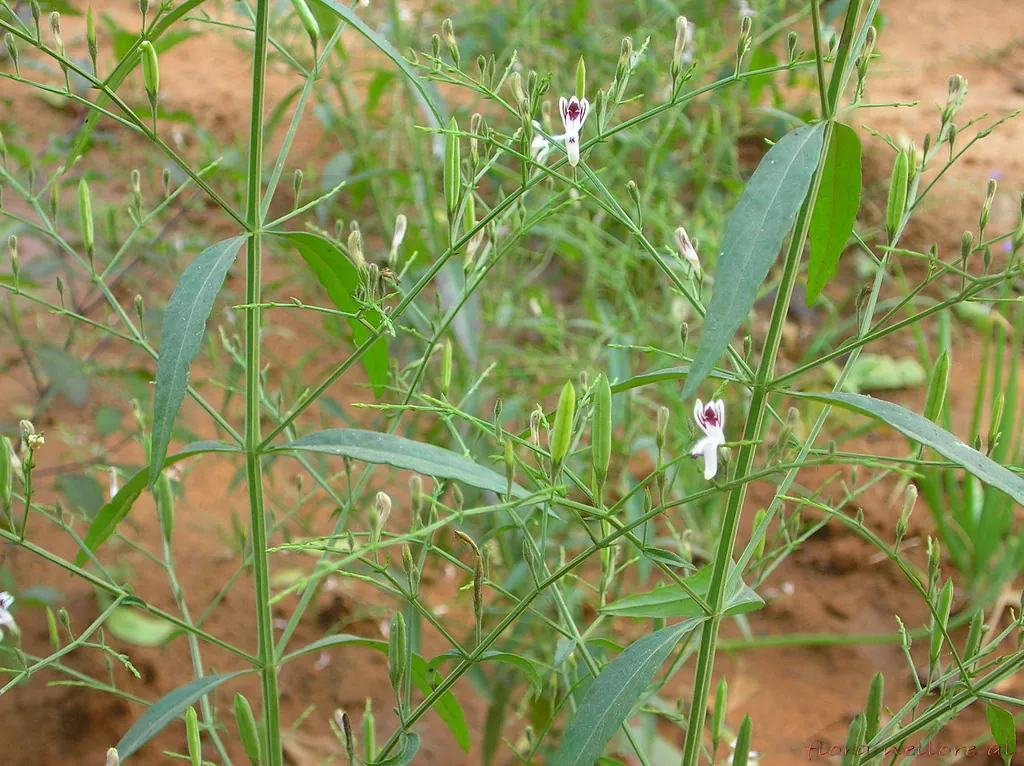
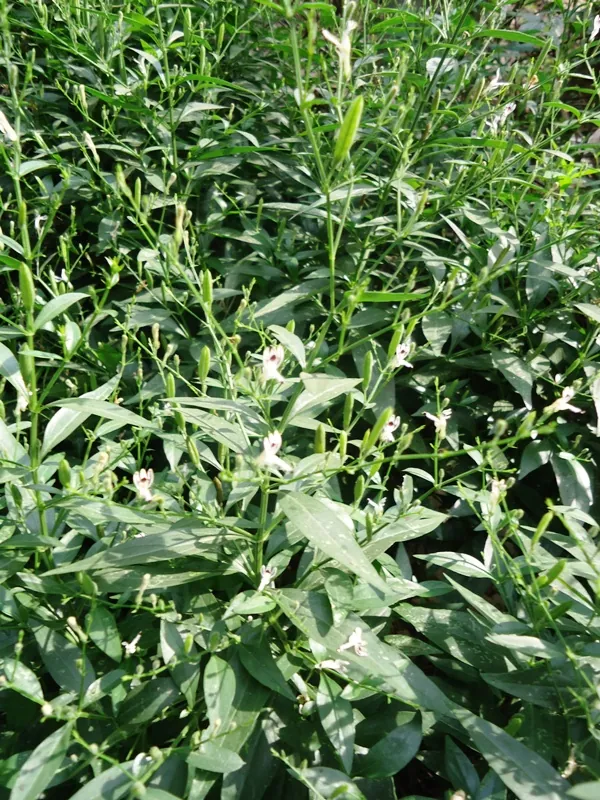
Kalamegha (kalmegh, king of bitters) is an extremely bitter herb used for fever, liver support, digestion and seasonal infections.
About Kalamegha / Bhunimba
Kalamegha is an erect annual herb with small white-purple flowers that grows in shady, moist places across India. It is known as the 'king of bitters'. It is a later entry into the Ayurvedic materia medica, widely used in Bengal and southern India, and is often grouped with Bhunimba and Kiratatikta.
In the classical texts
- Later nighantus and regional practiceDescribed as Bhunimba-type (bitter like neem), tikta, shita, useful in jvara, kamala (jaundice), krimi and agnimandya.
- Ayurvedic Pharmacopoeia of IndiaThe whole plant is an official drug used for fever and liver disorders.
- Folk practiceBengal households traditionally give it to children for worms and liver complaints.
Synonyms (paryaya)
कालमेघ,यवतिक्ता,
kālamegha,yavatiktā,
Classical indications
यकृतविकार, ज्वर, आम, पैत्त्तिकविकार, कृमि, दाह, अम्लपित्त, व्रण
yakṛtavikāra, jvara, āma, paitttikavikāra, kṛmi, dāha, amlapitta, vraṇa
Effect on the three doshas
How vaidyas use it in practice
- Kalmegh in fevers and seasonal infections, as part of the vaidya's treatment.
- In liver formulas (with Bhumyamalaki, Katuka) for sluggish liver and poor appetite.
- As a bitter tonic before meals in Pitta-type indigestion.
- In formulas for skin disease with itching.
Simple home uses
- Not usually a home remedy because of its strong action; use as prescribed.
For minor complaints only. If a problem lasts more than a few days or is severe, see a doctor.
Well-known formulations
कालमेघ-तरल-सत्व
kālamegha-tarala-satva
What science says
The plant contains diterpene lactones, mainly andrographolide. Clinical trials, especially with standardised extracts, show reduced symptoms in uncomplicated upper respiratory infections. Laboratory work shows liver-protective and anti-inflammatory effects.
Safety and cautions
Avoid in pregnancy and when trying to conceive. It can cause stomach upset and, rarely, allergic reactions. It may lower blood pressure and blood sugar and add to blood thinners. Use short courses only.
Who should not take it
- Pregnancy and when trying to conceive
- Low blood pressure or low sugar
- With blood thinners, without the doctor's advice
How to identify it, and common adulterants
A square-stemmed herb with lance-shaped leaves and tiny white-purple flowers; every part is intensely bitter.
Growing it at home
Easy to grow from seed in the monsoon in partial shade; the whole plant is harvested at flowering.
Questions people ask
Is Kalmegh the same as Chirayata?
No. Both are very bitter. Kalmegh is Andrographis paniculata; Chirayata (Kiratatikta) is Swertia chirayita.
Can Kalmegh be used for colds?
Standardised extracts have shown benefit in colds and sore throat in trials. In Ayurveda the vaidya decides when it suits you.
This page is general information from classical Ayurvedic texts and published research. It is not a prescription. Herbs act differently in different people; take any herb only after a qualified vaidya examines you, and do not stop prescribed medicines.