
Kadamba
Kadamba is a sacred tree used in Ayurveda for fever, skin disease, diarrhoea and wounds.
About Kadamba
Kadamba has round, fragrant orange flower balls in the monsoon, linked with Krishna.
In the classical texts
- Charaka Samhita (Sutrasthana 4)Included in the Vedanasthapana group.
- Bhavaprakasha NighantuDescribed as cold, removing Pitta, Kapha and poison.
Synonyms (paryaya)
हलिप्रिय,नीप,वृतपुष्पक
halipriya,nīpa,vṛtapuṣpaka
Classical indications
वातविष्टम्भक, कफ, दुग्धवर्धक
vātaviṣṭambhaka, kapha, dugdhavardhaka
Effect on the three doshas
How vaidyas use it in practice
- Bark decoction in fever.
- Fruit and bark in diarrhoea.
Simple home uses
- Not usually a home remedy.
For minor complaints only. If a problem lasts more than a few days or is severe, see a doctor.
What science says
Bark contains indole alkaloids (cadambine) and saponins.
Safety and cautions
Safe in formulas.
Who should not take it
- Pregnancy (without advice)
How to identify it, and common adulterants
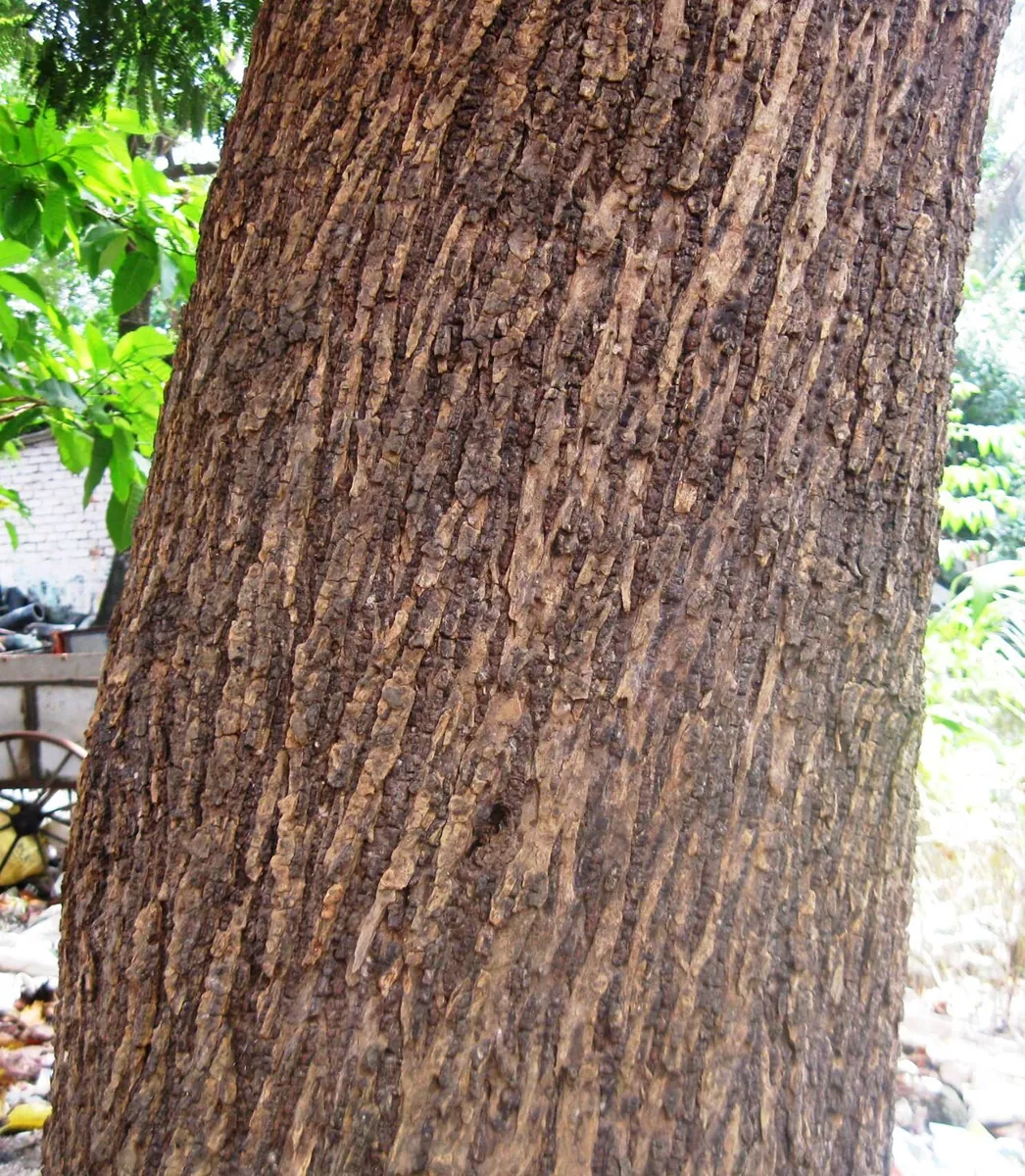
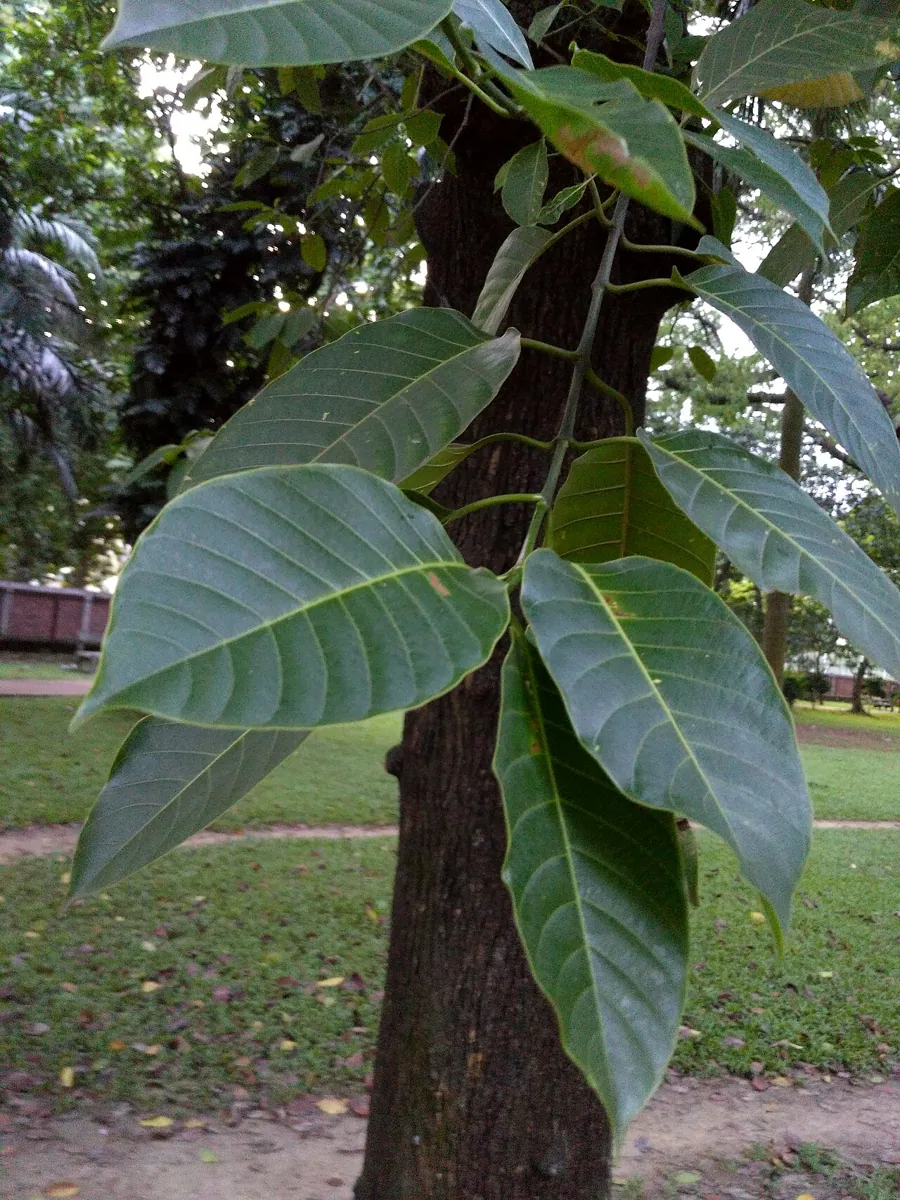
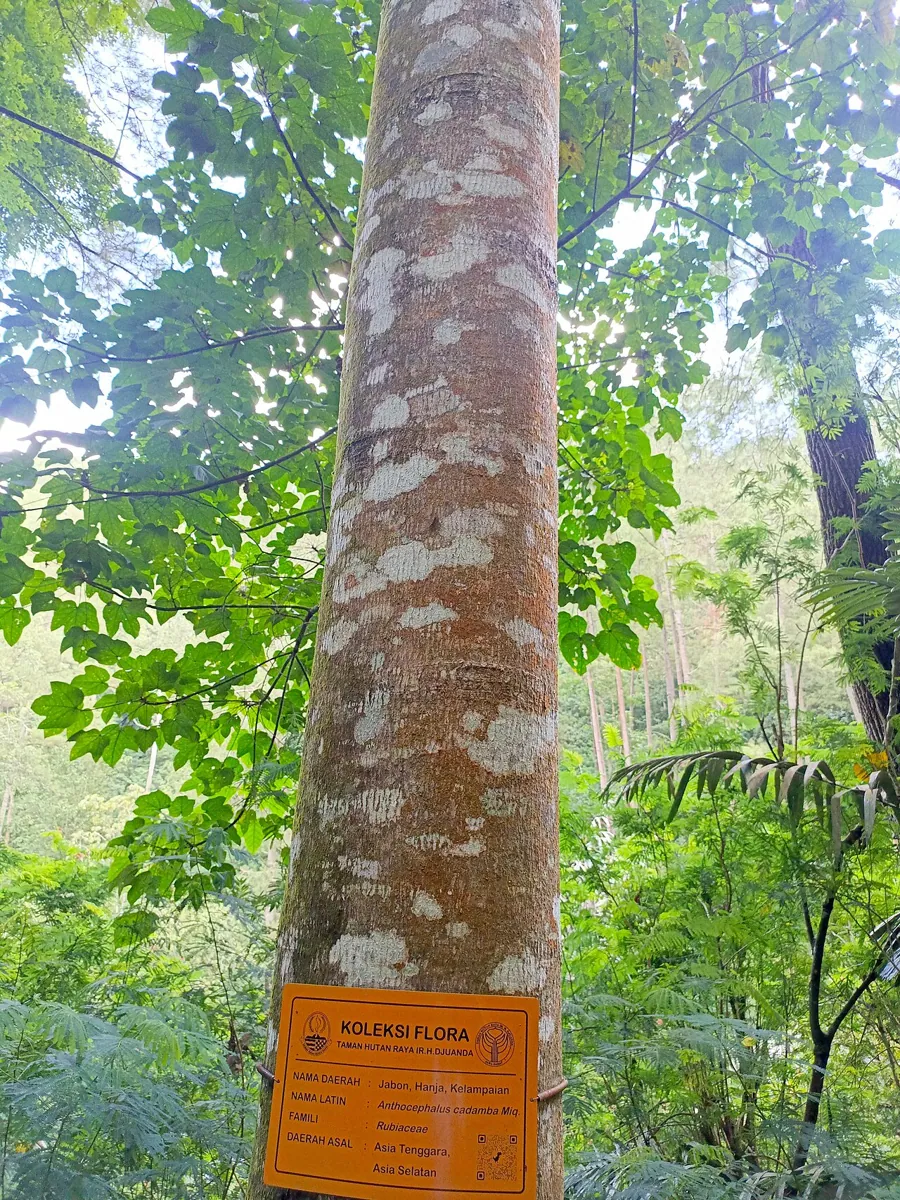
Round orange flower-balls.
Growing it at home
Fast-growing shade tree.
Questions people ask
Is Kadamba medicinal?
Yes, bark and fruit.
This page is general information from classical Ayurvedic texts and published research. It is not a prescription. Herbs act differently in different people; take any herb only after a qualified vaidya examines you, and do not stop prescribed medicines.