
Jyotishmati
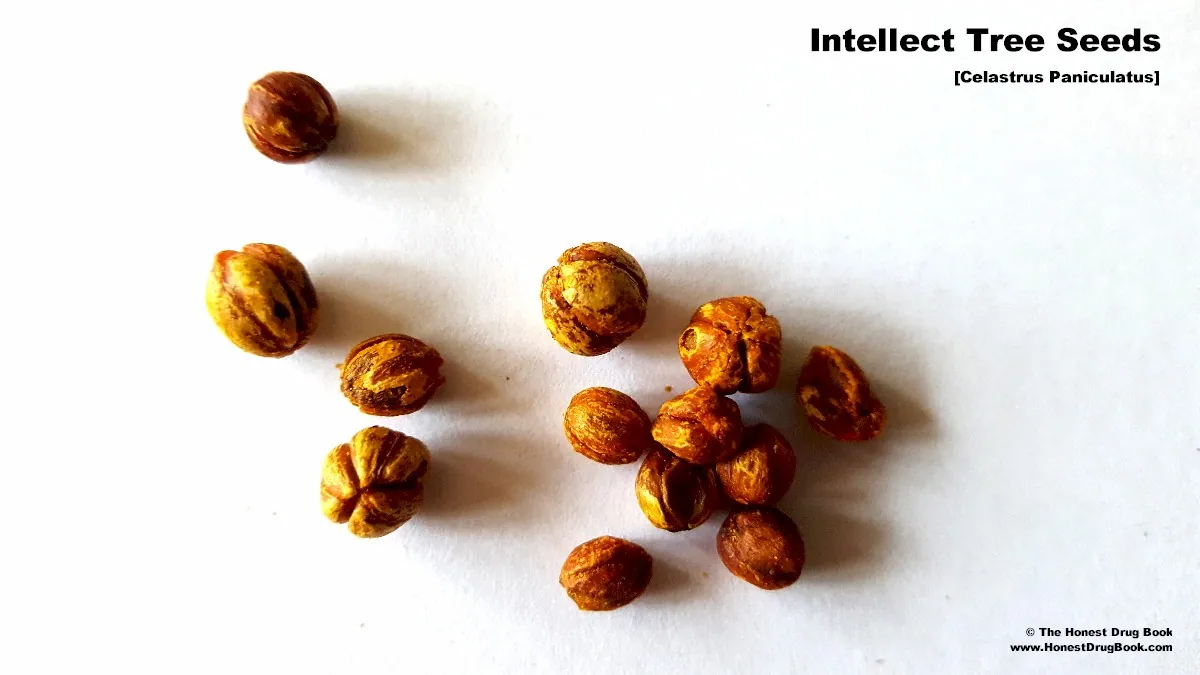
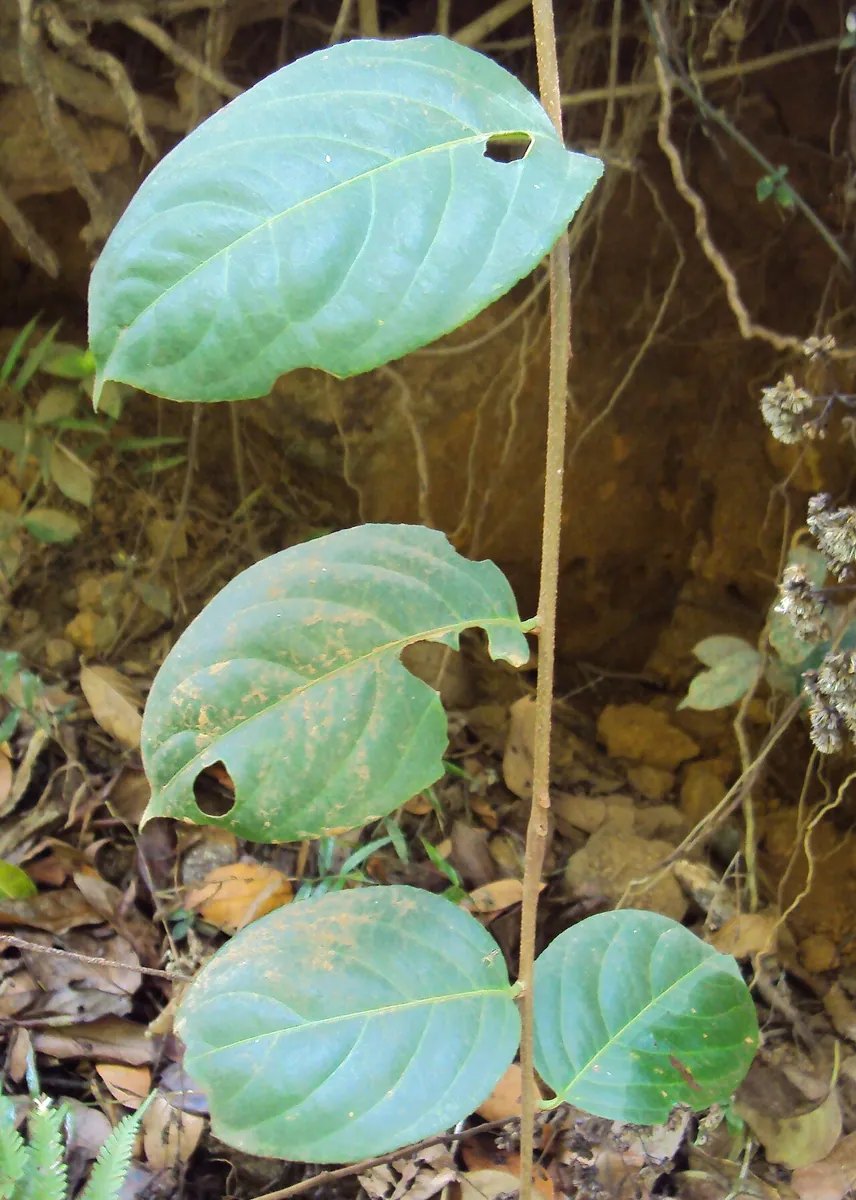
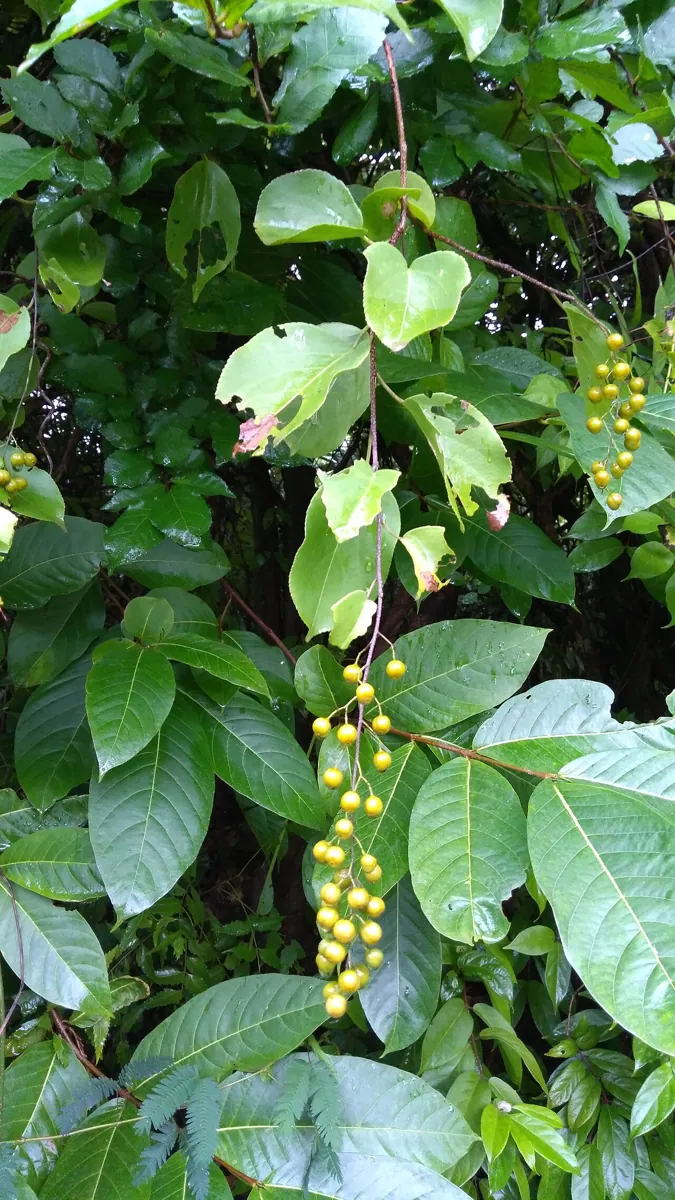
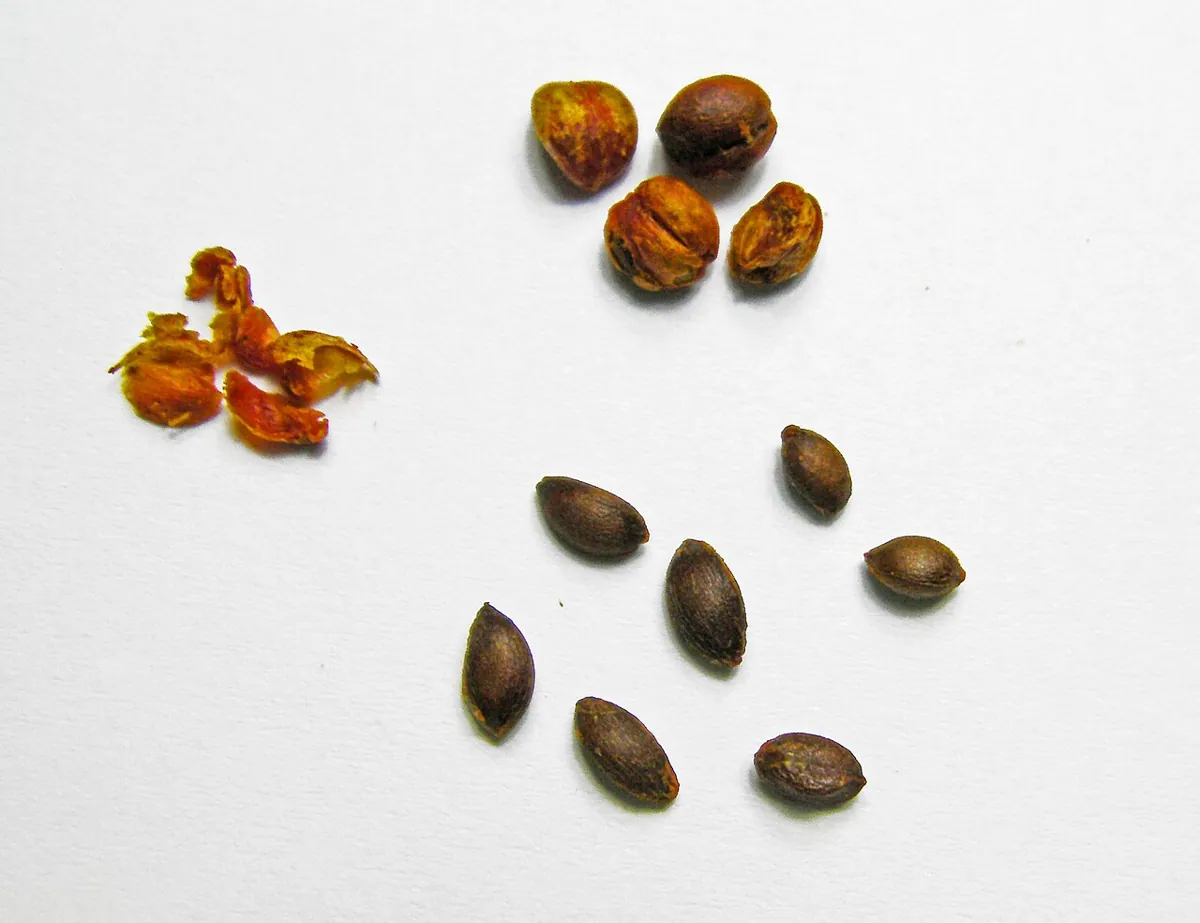
Jyotishmati (malkangni) is a sharp, heating seed used in Ayurveda for memory, intellect and Vata nerve disorders, in small doses.
About Jyotishmati
Jyotishmati is a climbing shrub of the forests of India whose orange-red seeds yield a dark oil. The name means 'luminous', referring to its use for the intellect.
Shloka from Bhavaprakasha Nighantu
ज्योतिष्मती कटुस्तिक्ता सरा कफसमीरजित्। अत्युष्णा वामनी तीक्ष्णा वह्निबुद्धिस्मृतिप्रदा॥
jyotiṣmatī kaṭustiktā sarā kaphasamīrajit| atyuṣṇā vāmanī tīkṣṇā vahnibuddhismṛtipradā||
Meaning: Jyotishmati is pungent, bitter, laxative and removes Kapha and Vata. It is very hot, emetic, sharp, and gives digestive fire, intellect and memory.
Bhavaprakasha Nighantu
In the classical texts
- Charaka Samhita (Sutrasthana 4)Included in the Shirovirechanopaga group.
- Bhavaprakasha NighantuDescribed with the shloka above.
Synonyms (paryaya)
पारावतपदी,काकाण्डी,पीततैला
pārāvatapadī,kākāṇḍī,pītatailā
Classical indications
अति उष्ण, वामक, मेधा-जठराग्नि-स्मरणशक्ति वर्धक, वातविकार, आमवात, माईग्रेन
ati uṣṇa, vāmaka, medhā-jaṭharāgni-smaraṇaśakti vardhaka, vātavikāra, āmavāta, māīgrena
Effect on the three doshas
How vaidyas use it in practice
- Seed oil in very small doses for memory, as prescribed.
- Oil externally for Vata pain and paralysis.
- In white patches with other herbs.
Simple home uses
- Oil for external massage on stiff joints.
For minor complaints only. If a problem lasts more than a few days or is severe, see a doctor.
Well-known formulations
ज्योतिषमति तैल
jyotiṣamati taila
What science says
Seeds contain sesquiterpene esters (celastrine). Animal studies show memory-enhancing effects.
Safety and cautions
Very hot and emetic; internal use only as prescribed.
Who should not take it
- Pregnancy
- High Pitta
- Children (without advice)
How to identify it, and common adulterants
Small seeds covered in a red-orange aril, in yellow three-lobed capsules.
Growing it at home
A forest climber.
Questions people ask
Is Jyotishmati oil safe internally?
Only in a few drops as prescribed.
This page is general information from classical Ayurvedic texts and published research. It is not a prescription. Herbs act differently in different people; take any herb only after a qualified vaidya examines you, and do not stop prescribed medicines.