
Jiraka
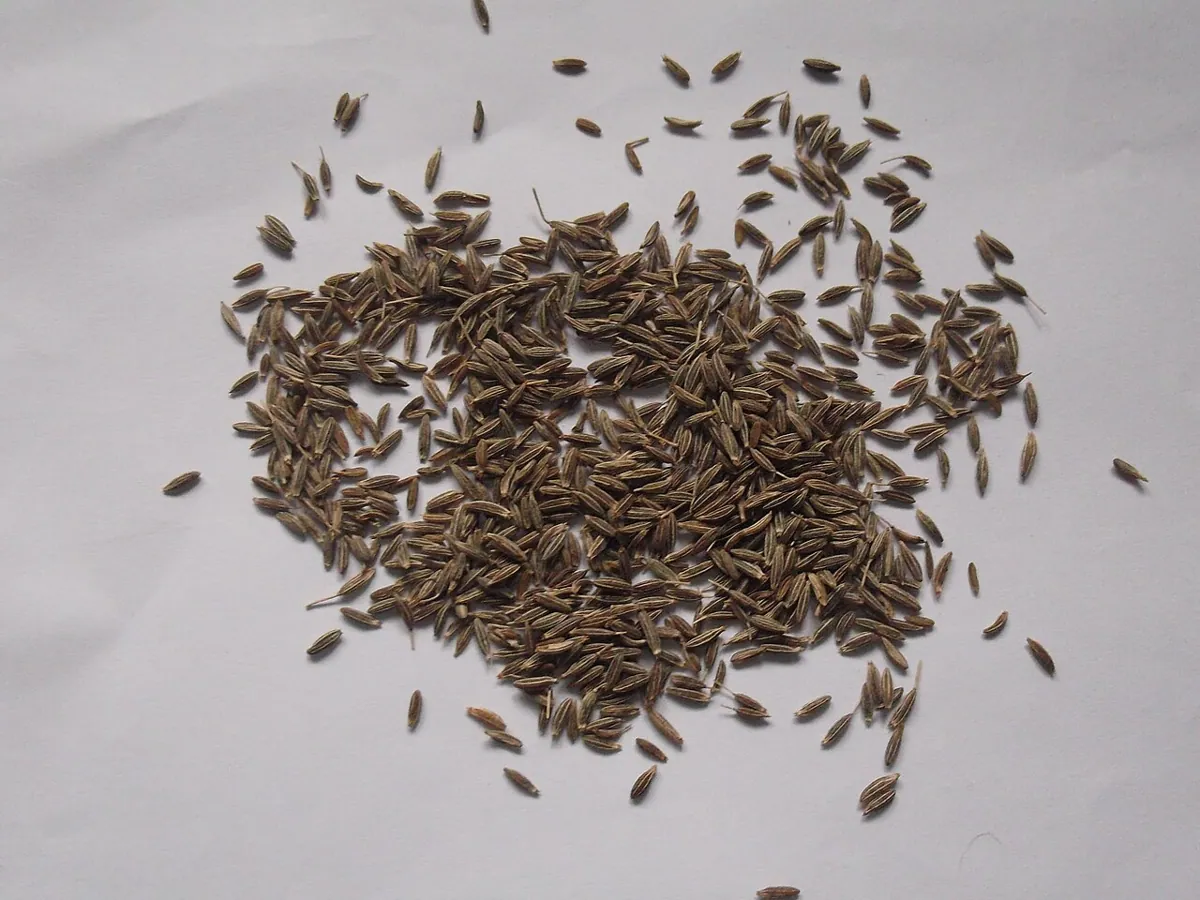
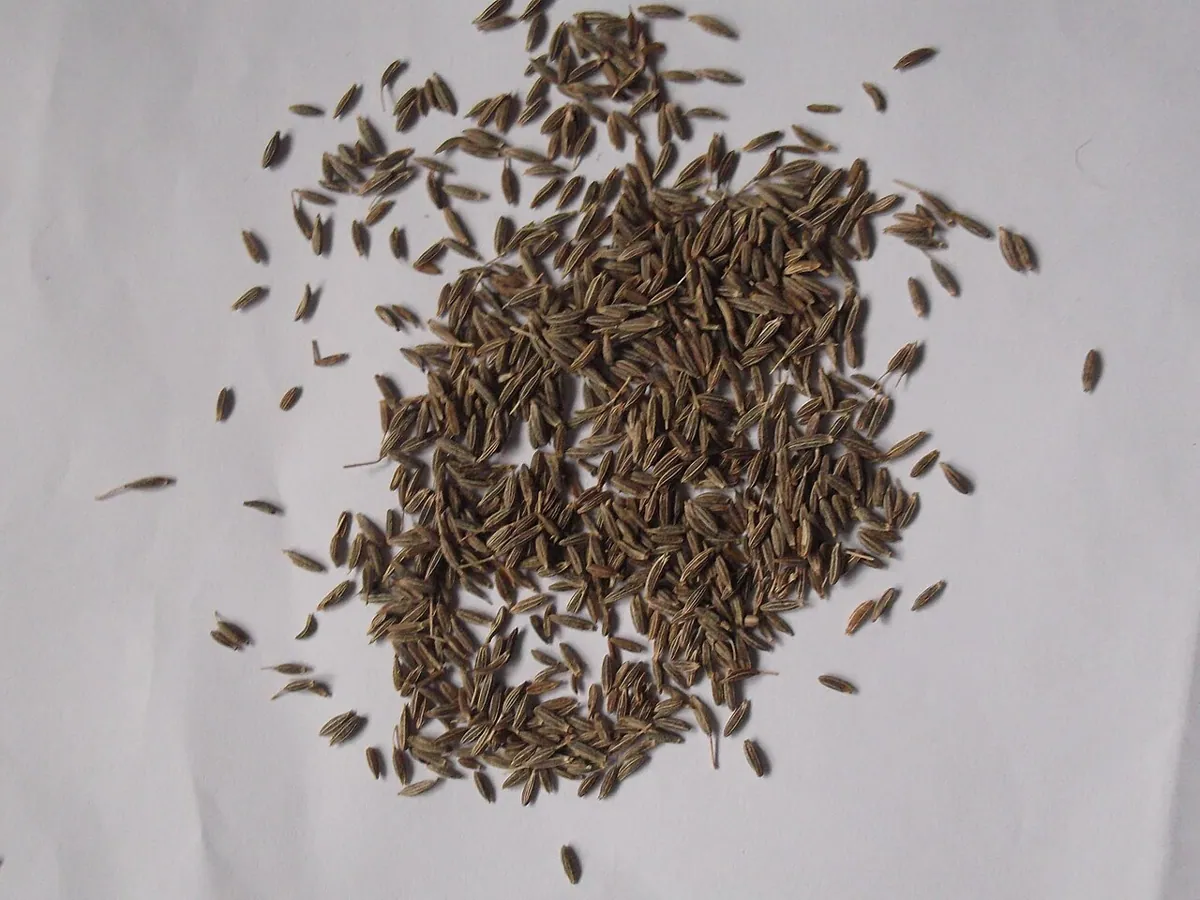
Jiraka (cumin) is a warming digestive seed used in Ayurveda for indigestion, diarrhoea, bloating, and after childbirth.
About Jiraka
Cumin is the seed of a small annual herb of the coriander family, grown mainly in Gujarat and Rajasthan. It is in every Indian kitchen. Ayurveda describes three Jirakas: white cumin, black cumin (Krishna Jiraka) and Kalonji (Upakunchika).
Shloka from Bhavaprakasha Nighantu
जीरकत्रितयं रूक्षं कटूष्णं दीपनं लघु। संग्राहि पित्तलं मेध्यं गर्भाशयविशुद्धिकृत्॥
jīrakatritayaṃ rūkṣaṃ kaṭūṣṇaṃ dīpanaṃ laghu| saṃgrāhi pittalaṃ medhyaṃ garbhāśayaviśuddhikṛt||
ज्वरघ्नं पाचनं वृष्यं बल्यं रुच्यं कफापहम्। चक्षुष्यं पवनाध्मानगुल्मच्छर्द्यतिसारहृत्॥
jvaraghnaṃ pācanaṃ vṛṣyaṃ balyaṃ rucyaṃ kaphāpaham| cakṣuṣyaṃ pavanādhmānagulmacchardyatisārahṛt||
Meaning: The three cumins are dry, pungent, hot, kindle digestion and are light. They are binding, increase Pitta, are good for the mind and cleanse the uterus. They remove fever, digest, nourish, strengthen, improve taste, remove Kapha, are good for the eyes, and relieve gas, bloating, gulma, vomiting and diarrhoea.
Bhavaprakasha Nighantu, Haritakyadi varga
In the classical texts
- Bhavaprakasha Nighantu (Haritakyadi varga)Describes three types with the shloka above.
- Classical practiceJirakadyarishta is given after delivery for digestion and uterine recovery.
Synonyms (paryaya)
जरण,अजाजी,दीर्घजीरक
jaraṇa,ajājī,dīrghajīraka
Classical indications
आनाह, वातानुलोमन, स्तन्यजनन, अपचन, अतिसार, अग्निमांद्यहर, ग्राही
ānāha, vātānulomana, stanyajanana, apacana, atisāra, agnimāṃdyahara, grāhī
Effect on the three doshas
How vaidyas use it in practice
- Jirakadyarishta after childbirth, as advised.
- Roasted cumin powder in buttermilk for loose stools and bloating.
- Cumin water (jeera water) for poor appetite.
- In Hingvashtaka churna with ghee and rice for gas.
Simple home uses
- Boil a teaspoon of cumin in two cups of water and sip warm through the day for bloating.
- Roasted cumin powder with buttermilk after lunch.
- Cumin, coriander and fennel tea (CCF tea) after meals.
For minor complaints only. If a problem lasts more than a few days or is severe, see a doctor.
Well-known formulations
जीरकाद्य-चूर्ण-तैल-रिष्ट-मोदक
jīrakādya-cūrṇa-taila-riṣṭa-modaka
What science says
Cumin seed oil is rich in cuminaldehyde. Small trials suggest cumin may help IBS symptoms and modestly improve blood lipids and weight in combination with diet.
Safety and cautions
Safe as a spice. Large medicinal amounts can aggravate acidity and may add to the effect of diabetes medicines.
Who should not take it
- Severe acidity (large amounts)
- On diabetes medicines (large medicinal amounts) without the doctor's advice
How to identify it, and common adulterants
Good cumin is grey-brown, ridged, with a strong warm smell. Grass seeds dyed with charcoal are a known adulterant; rub seeds between wet palms: dye comes off on the skin.
Growing it at home
Grows as a winter crop in dry, sunny conditions; it can be sown in pots in November in Vidarbha.
Questions people ask
Is jeera water good for weight loss?
It may help digestion and slightly help with diet; it is not a weight-loss medicine by itself.
Why is cumin given after delivery?
Classical practice uses it to improve digestion and help the uterus recover, usually as Jirakadyarishta.
This page is general information from classical Ayurvedic texts and published research. It is not a prescription. Herbs act differently in different people; take any herb only after a qualified vaidya examines you, and do not stop prescribed medicines.